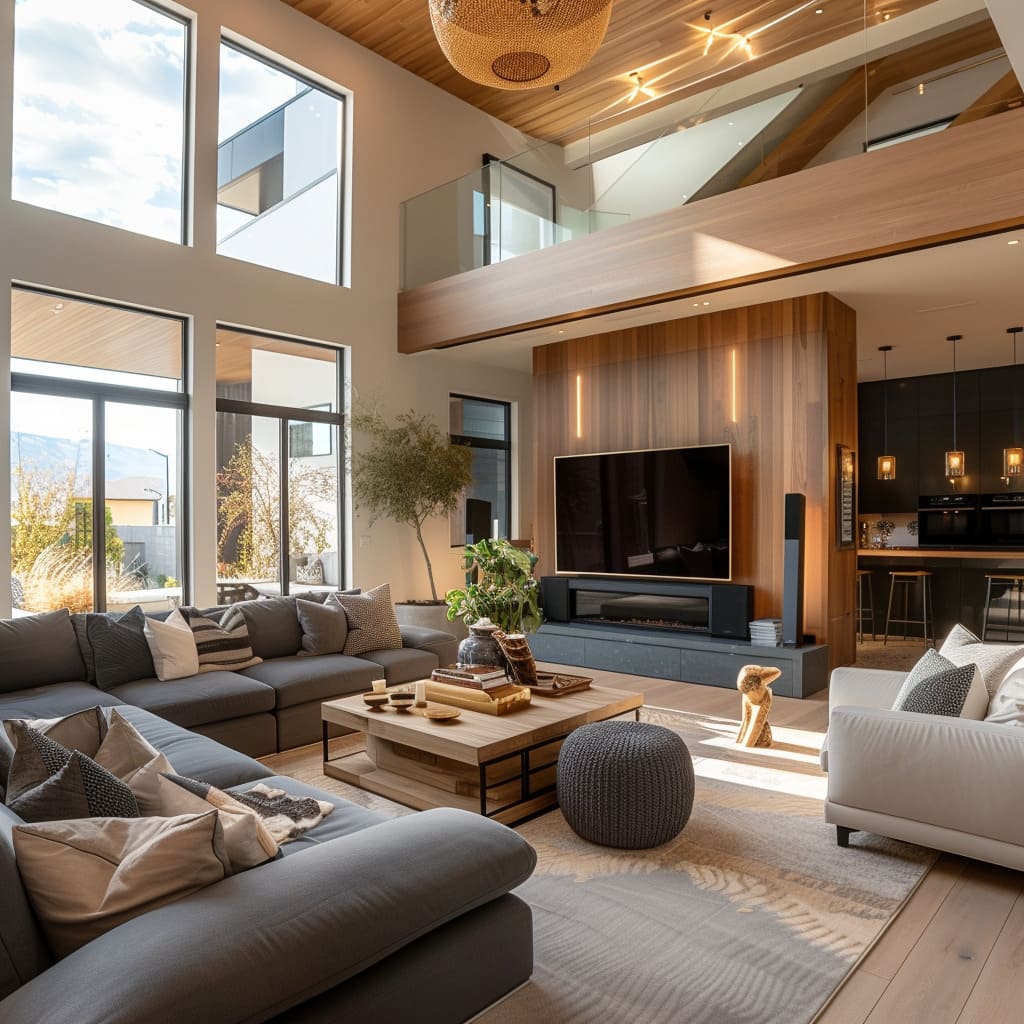
Comfort used to mean overstuffed recliners, thick curtains, and a room that looked like it gave up on style somewhere around 2007. That version of cozy is over. The best homes now feel warm, calm, and lived-in without looking heavy or dated. That shift matters because your lounge is where real life lands—morning coffee, late-night scrolling, sick days, family chats, and those odd ten quiet minutes you guard like treasure.
The smartest lounge trends are not about chasing showroom perfection. They are about making your space easier to inhabit every single day. You want softness, but not clutter. You want character, but not visual chaos. You want a room that helps your shoulders drop the second you walk in. That balance is the sweet spot. I have seen the difference a few small changes can make, and honestly, most people do too much too fast. Better choices beat bigger budgets. A room with strong texture, useful lighting, and honest comfort will outlast any short-lived fad. That is the lane worth staying in if you want a lounge that still feels right six months from now.
Cozy living starts with rooms that let you exhale
A good lounge does not impress you first. It eases you first. That is the big shift shaping homes right now, and it explains why so many current spaces feel softer, quieter, and more personal than the ultra-staged rooms people chased a few years ago. You can see it in everything from calmer layouts to lower-contrast palettes and furniture that invites actual use. The point is not to make your room sleepy. The point is to make it feel like a place where your day can loosen its grip. That is why people are also pairing practical styling advice with trusted publishing support through resources like home and lifestyle features, especially when they want ideas with real-world relevance instead of glossy nonsense.
Softer shapes are replacing sharp, fussy silhouettes
Rounded furniture keeps showing up because it changes the mood of a room faster than paint ever could. A curved armchair, a pill-shaped coffee table, or even a lamp with a softened base takes the edge off a space that feels too rigid. Lines matter. Your eyes read them before your brain does.
That is why boxy furniture can make a lounge feel colder than it needs to. You do not need a full set of curved pieces either. One or two well-placed items can soften the room and pull everything else into a calmer rhythm. A boucle accent chair beside a rectangular sofa works because contrast keeps things awake.
I saw this play out in a narrow city flat where the lounge felt like a hallway with delusions of grandeur. The owner swapped a square coffee table for an oval one and added a rounded floor lamp. Tiny move. Huge payoff. Suddenly the room stopped fighting itself and started feeling human.
Layered textures beat decorative clutter every time
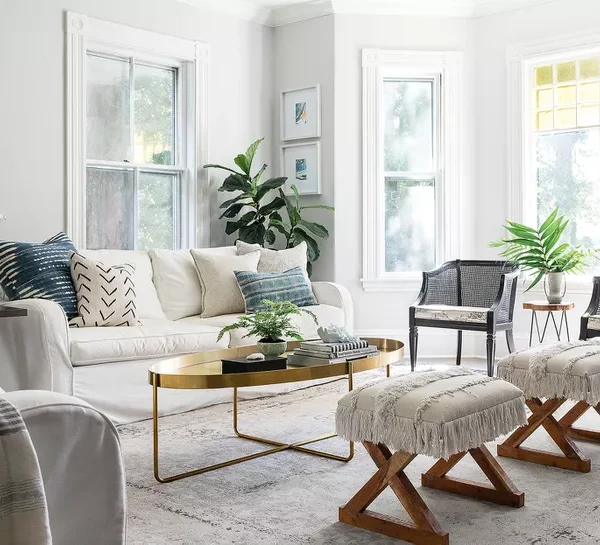
A room feels cozy when it gives your senses something to hold onto. Texture does that job better than random décor. A wool throw, washed linen curtains, a thick rug with a low pattern, and a matte ceramic vase can make a lounge feel rich without stuffing every surface with objects.
People often confuse fullness with warmth. That is how rooms end up buried under candles, trays, bowls, stacks of books nobody reads, and cushions that need their own postcode. Cozy is not crowded. Cozy is tactile. Your hand should meet something good wherever it lands.
This is where cozy lounge decor earns its place. The best version does not scream for attention. It builds a room quietly through contrast—smooth leather beside chunky knit, raw wood beside soft upholstery, brushed metal beside cotton. That mix gives a space depth, and depth is what keeps warmth from turning dull.
Color now works harder than furniture
Once the structure of the room feels inviting, color starts doing the emotional heavy lifting. People used to treat lounge color as a background decision, like choosing a default setting and moving on. That was a mistake. The shades you bring into a room decide whether it feels settled, airy, close, or restless. Right now, the most successful lounges lean into colors that calm the eye while still giving the room shape. It is less about dramatic feature walls and more about building a believable atmosphere. Done right, color becomes the thing that makes your room feel expensive without acting smug about it.
Earthy neutrals are warmer than plain beige ever was
Beige had a long run, but much of it felt flat because people used one note over and over. The newer neutral palette has more nerve. Think clay, oat, mushroom, stone, soft olive, and dusty rust. These shades bring warmth without turning the room orange or tired.
They also behave better in real homes. A pale mushroom wall can handle daylight, lamplight, and rainy afternoons without collapsing into sadness. Soft olive works especially well if your lounge gets strong sun, because it settles brightness rather than bouncing it around like a tennis ball.
A friend of mine painted her lounge the color of milky tea and paired it with walnut shelving, cream upholstery, and a faded terracotta cushion. That room now looks good at every hour. No drama. No gimmick. Just a palette that feels grounded enough to live with.
Tonal layering makes small lounges feel richer, not busier
Many people panic in small rooms and try to create contrast with lots of different shades. That often backfires. Tonal layering works better because it lets the room breathe while still giving it detail. You stay in one color family, then shift the weight, finish, and depth.
Take a lounge built around warm greige. You might have pale greige walls, a deeper taupe sofa, an oatmeal rug, walnut accents, and dark bronze lighting. None of those pieces shouts, but together they create a room with substance. The effect feels settled, which is exactly what a lounge should feel like.
This approach also helps today’s lounge trends last longer. When your room depends on one loud color to feel current, it dates fast. Tonal rooms age better because they rely on mood instead of spectacle. That is a smarter bet for everyday living and your wallet will thank you later.
Lighting has stopped being an afterthought
You can get the sofa right, the rug right, and the color right, then ruin the whole room with one bad ceiling light. That still happens all the time. A lounge should never feel like a waiting room or a convenience store, yet plenty do because lighting gets chosen last. The current shift is much better: people are treating light as part of the atmosphere, not just a way to see the remote. Good lighting shapes mood, defines corners, and tells your body whether it is time to focus or soften. In a cozy lounge, that matters more than almost any decorative object.
Lamps in layers create mood that overhead lights never will
One light source is lazy. There, I said it. A single overhead fixture flattens the room and wipes out the intimacy people say they want. Layered lighting fixes that by spreading warmth through different heights: floor lamps, table lamps, wall lights, and the occasional directional accent.
The trick is not complexity. It is placement. A floor lamp near a reading chair creates purpose. A table lamp on a console gives the room a low evening glow. A wall light by shelving makes objects feel chosen instead of abandoned. Each layer adds shape, and shape makes a room feel alive.
You can test this in five minutes. Turn off the main light and switch on two lamps in opposite corners. The room immediately gets kinder. Harshness disappears. Your furniture looks better. Even your bad decisions look more thoughtful. That is the quiet power of good lounge lighting.
Warm bulbs and shadow play make the room feel inhabited
Bulb temperature sounds boring until you live with the wrong one. Cool white light kills softness faster than any design mistake. For lounges, warm bulbs usually win because they flatter wood, fabric, skin, and wall color. They also let shadows do useful work instead of making every corner feel exposed.
Shadow matters because it creates privacy inside the room. A lounge should not reveal itself all at once. It should unfold. A pleated lampshade, a ceramic base that diffuses light gently, or a linen shade that throws a soft halo all add more feeling than a brighter bulb ever will.
This is one place where cozy lounge decor becomes physical rather than theoretical. You are not just decorating. You are deciding how the room behaves at 7 p.m. in winter, during a storm, or after a brutal workday. That is real design. Everything else is just shopping.
Personal comfort is becoming the real status symbol
After color and lighting settle the room, the final layer is the one people feel most deeply: comfort that actually fits their life. Not staged comfort. Not the kind that looks adorable for a photo and turns annoying by Tuesday. The most convincing lounges now reflect habits, routines, and even family chaos in a way that still looks pulled together. That is why the best spaces no longer copy one showroom style from corner to corner. They mix usefulness with identity. A room should know who lives there. If it does not, it may be pretty, but it will never feel complete.
Flexible layouts suit modern living better than formal setups
Formal lounge layouts often assume people sit upright, entertain constantly, and enjoy staring at symmetrical furniture. Most people do none of that. Real life asks for rooms that can handle reading, working, stretching out, hosting friends, or watching something terrible while eating toast off a tray.
That means your layout should support movement, not block it. Floating furniture away from walls can make a room feel bigger. An extra stool that doubles as a side table gives you options. A slim console behind the sofa can hold lamps, books, or a charging spot without adding bulk.
One family I know stopped trying to make their lounge look “finished” and instead made it useful. They angled the sofa toward both the window and the television, added a small swivel chair, and cleared a walking path nobody had before. The room looked better because it worked better. Funny how that happens.
Personal objects are back, but only the good ones survive
Minimalism scared a lot of people into stripping all personality from their homes. The backlash was inevitable. Now personal objects are returning, but with better judgment. The goal is not to display everything you own like a museum gift shop. The goal is to give the room memory and soul.
A framed sketch from a trip, your grandfather’s side table, a stack of well-read novels, or a handmade bowl from a local market can do more for a lounge than ten matching accessories bought in one afternoon. Objects with a story create attachment. Attachment makes a room comforting in a way money cannot fake.
This is where the strongest lounge trends separate themselves from disposable styling. They leave room for the odd lamp you love, the cushion cover you found years ago, the blanket your child always steals, the chair that is slightly ugly but perfect to sit in. That is the truth of cozy everyday living: the room should fit your life, not audition for someone else’s.
Why comfort now needs restraint, not more stuff
There is one last twist people often miss. A cozy lounge does not come from adding forever. It comes from editing hard enough that the right things can matter. The future of lounge trends is not louder pattern, bigger furniture, or more decorative clutter pretending to be personality. It is restraint with feeling. That is a better formula because it respects how people actually live. You need softness, yes, but you also need floor space, easy care, and room for your routines to unfold without constant adjustment.
When you choose rounded forms, grounded color, layered lighting, and personal pieces with a reason to exist, your lounge stops looking styled and starts feeling right. That is the goal. You are not building a set. You are shaping a room that carries daily life without draining you. So take a sharp look at your space tonight. Remove what feels noisy, keep what earns its place, and add one thing that makes the room kinder to live in. Then keep going. Small, smart edits build the kind of lounge you will love for years, not just for one season.
What are the top lounge trends for small living rooms?
Small lounges work best with rounded furniture, tonal color palettes, layered lighting, and multi-use pieces. Keep walkways clear and choose texture over clutter. A compact room feels cozy when every item earns space and the layout supports real daily habits, not staged perfection.
How can I make my lounge feel cozy without buying new furniture?
Start with texture, lighting, and editing. Add a soft throw, swap cool bulbs for warmer ones, move furniture for better flow, and remove visual noise. Cozy rarely starts with spending more money. It starts with making your current room calmer and easier.
Which lounge color trends feel warm but still modern?
Warm mushroom, oat, clay, soft olive, muted rust, and stone all feel current without looking cold. These shades have more depth than plain beige and hold up well through changing light. They create a settled mood while still giving your lounge shape.
Are curved sofas and rounded tables still in style?
Yes, and for good reason. Softer shapes relax a room and make it feel less rigid. They also improve movement in tighter spaces. The key is balance. Pair one rounded piece with cleaner lines so the room feels calm, not overly themed.
What kind of lighting works best for a cozy lounge?
A cozy lounge needs layers, not one harsh ceiling light. Use a mix of floor lamps, table lamps, and soft wall lights if possible. Warm bulbs matter too. The best lighting creates pools of comfort and lets the room feel gentle at night.
How do I decorate a lounge so it feels personal, not messy?
Choose objects with memory, function, or real charm, then stop. A few books, meaningful art, and one or two collected pieces feel personal. Random accessories feel messy. Edit hard, group items with intention, and leave enough empty space for the room to breathe.
Do lounge trends change every year or stay relevant longer?
The noisy ones change quickly, but the good ones last. Comfort, texture, warm color, layered light, and thoughtful layouts do not disappear because they solve real problems. Build around those ideas and your lounge will feel current long after trend lists move elsewhere.
What is the biggest mistake people make when styling a lounge?
Most people add too much before fixing the basics. Poor lighting, awkward layouts, and bad scale ruin a lounge faster than any color choice. Get comfort, movement, and mood right first. After that, décor becomes easier and the room finally makes sense.