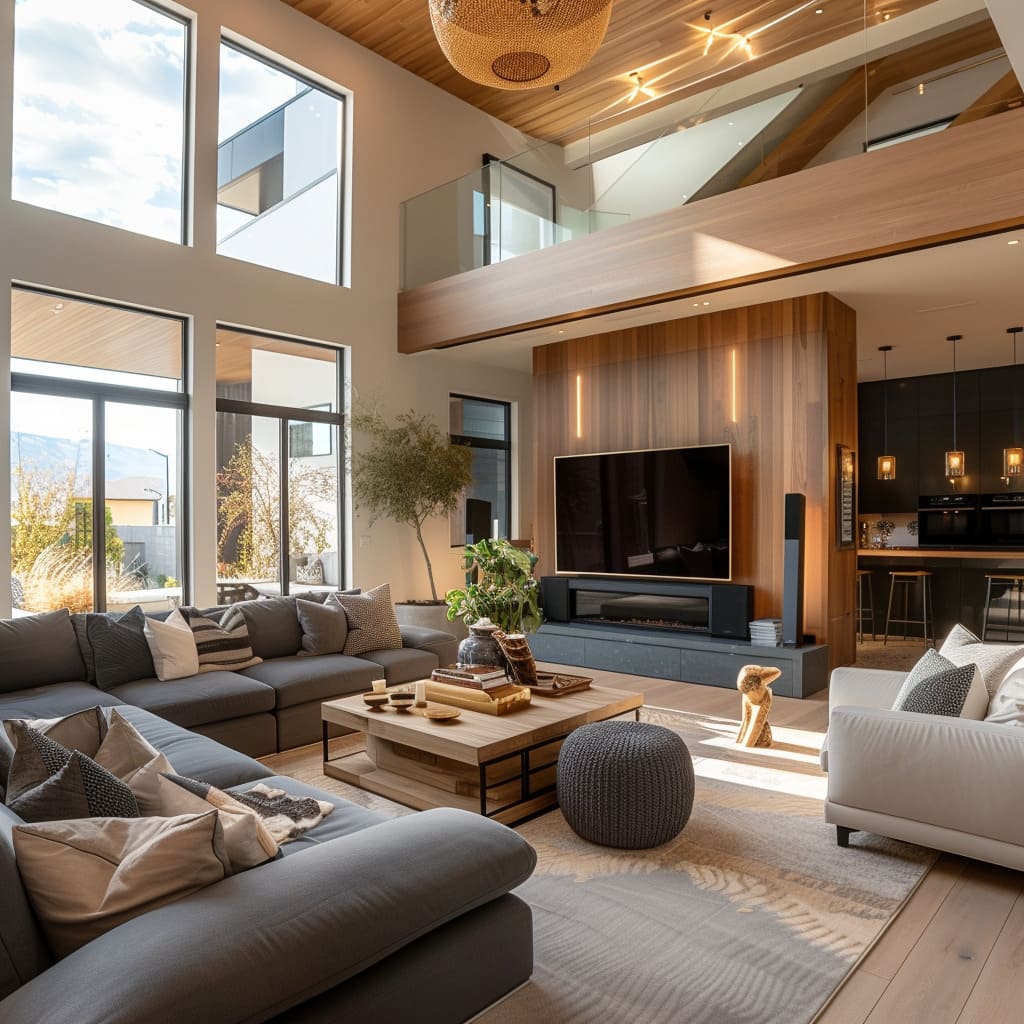
A lounge can look expensive, feel calm, and still work for real life, but only when you stop decorating it like a showroom and start shaping it around how you actually live. That is where most rooms go wrong. They chase trends, pile on matching pieces, and end up feeling oddly lifeless. The smartest lounge ideas do the opposite. They build mood first, then function, then the finishing touches that make the room feel like yours.
I have seen modest lounges feel richer than giant living rooms simply because the choices were sharper. A low lamp in the right corner can do more than a fancy ceiling fixture. A better rug can rescue a tired sofa. Even the way you place one chair can change how people speak to each other. If you want a room that helps you unwind instead of quietly irritating you, you need taste with discipline. Style is not about adding more. It is about knowing what deserves the space.
Start With Layout, Because Bad Flow Ruins Good Furniture
Most people blame the sofa when the room feels wrong, but the real problem is usually movement. You walk in, there is nowhere natural to sit, nothing frames the conversation area, and every piece seems to argue with the next. A stylish room starts with traffic flow, sightlines, and balance. Before you shop for anything new, stand in the doorway and ask a blunt question: does this room invite you in, or does it block you at the knees?
Build Around One Clear Focal Point
A lounge settles down fast when the eye knows where to land first. That point might be a fireplace, a large window, a media wall, or even a striking artwork. Once you choose it, every major piece should support that choice instead of competing with it. This is where plenty of expensive rooms lose the plot. They try to be memorable from every angle and end up feeling restless.
I prefer arranging seating so it speaks to that focal point without turning the whole room into a waiting area. A sofa squarely facing a wall-mounted screen can make the room feel rigid and cold, while a slight angle often softens the mood. You want the setup to feel intentional, not military. There is a difference, and people feel it before they can explain it.
A London apartment I once visited nailed this beautifully in a tiny footprint. The designer ignored the obvious wall and anchored the room around tall sash windows with heavy linen drapes, then floated a compact sofa opposite two curved chairs. The windows became the star, daylight became the mood-setter, and the room suddenly felt wider than it was. That is the kind of move that separates decorating from thinking.
Float Furniture When the Room Needs Air
Pushing everything against the wall feels safe, but safe design often looks timid. In many lounges, floating the sofa a few inches forward or using chairs away from the corners creates a more intimate island in the center. The room breathes better. It also feels more deliberate, which is half the battle in any stylish and relaxing space.
This trick matters even more in open-plan homes, where the lounge needs to define itself without actual walls. A rug can do part of the work, but furniture placement finishes the sentence. A console behind the sofa, a chair angled toward the center, or a slim bench near a passage can quietly mark the room’s edges. You do not need barriers. You need signals.
There is also a comfort reason people forget. When furniture hugs every wall, conversation stretches too far and the room can feel socially awkward. Nobody wants to shout across a coffee table the size of a small island. Pull pieces inward and the room becomes easier to use. That sounds simple because it is. Simple wins more often than people admit.
Choose a Color Story That Calms the Room Without Draining It
Once the layout feels right, color takes over the emotional work. This is where many lounges swing between two bad extremes: flat beige boredom or trend-chasing chaos. Neither lasts. Good color does not scream for attention all day. It changes with the light, supports the furniture, and makes the room feel settled by evening, when a lounge needs to earn its keep.
Use Warm Neutrals With Contrast, Not Just More Beige
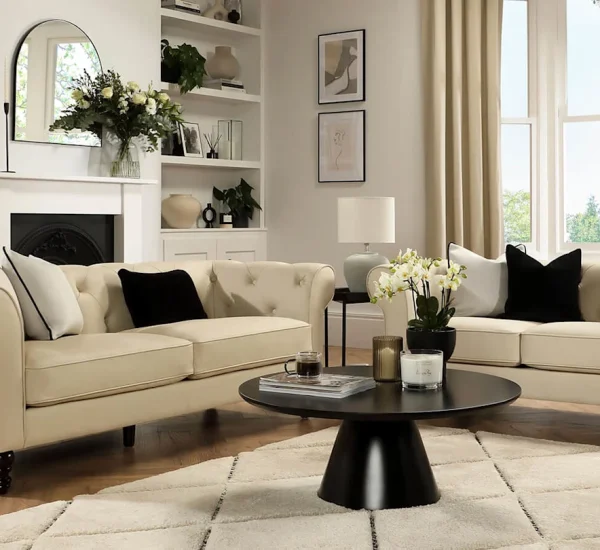
Neutral rooms fail when every surface sits in the same temperature and tone. Cream walls, oatmeal sofa, pale rug, blond wood, and suddenly the room looks like a polite apology. Warm neutrals need contrast to feel rich. Add tobacco brown, blackened bronze, walnut, deep olive, or charcoal in small but firm doses. That contrast gives the room bones.
I like a base of soft putty or warm stone on the walls because it allows light to move gently through the room. Then I introduce darker notes through side tables, lamp bases, frames, or a single accent chair. The result feels layered rather than sugary. You still get calm, but you also get shape. Calm without structure is just drift.
Paint finish matters more than people think. Flat paint can look dull in a room with weak daylight, while a soft eggshell finish catches a little movement and keeps walls alive. The same goes for fabrics. A matte linen sofa beside a velvet cushion or brushed wool throw creates quiet tension. Rooms need a bit of friction. That is what keeps them interesting.
Let One Color Carry the Mood
A room becomes memorable when one shade appears like a whisper in several places instead of shouting from one oversized object. Maybe it is moss green in a cushion trim, a ceramic lamp, and the leaves of a tall plant. Maybe it is rust in artwork, a stitched edge, and a small ottoman. Repetition builds confidence. Random accents just look accidental.
This is also where you can slip in personality without turning the lounge into a mood board. I have a soft spot for muted blue-greens because they cool a room without making it sterile. They pair well with wood, aged brass, and off-white walls, and they still look good at night under warm lamps. That last point matters. Daylight lies. Evenings tell the truth.
For readers who want more inspiration on pairing tones with texture, a well-curated guide on relaxed modern interiors can spark smart ideas without pushing the usual copy-and-paste trends. Browse for direction, then edit hard. Your lounge should borrow principles, not costumes. That is how rooms stay stylish longer than one season.
Layer Textures Like a Grown-Up, Not Like a Catalogue
Texture is the secret weapon of a lounge that feels both polished and easy to live in. You notice it with your eyes before your hands ever get involved. A room with strong texture feels fuller, warmer, and more expensive, even when the furniture itself is quite simple. That is good news for anyone with more taste than budget.
Mix Soft, Hard, Rough, and Smooth
The fastest way to flatten a room is to choose everything in one surface mood. If your sofa, curtains, rug, and cushions all feel equally soft and muted, the room loses edge. You need a few hard notes to sharpen the picture. Think linen against leather, boucle beside timber, matte pottery near glass, or a chunky wool rug under a sleek metal side table.
A well-layered lounge does not rely on pattern to create depth. It lets materials do the work. That is useful when you want a calm room that still feels alive. In one family home I worked through recently, the entire space changed after replacing a shiny coffee table with a worn oak one and adding two nubby chairs. Same layout. Same walls. Far better room.
Texture also helps rooms feel seasonless. Trend-led colors come and go, but a room built on tactile contrast still works when the weather changes or your taste shifts a bit. A washed linen curtain will not embarrass you next year. Neither will a good rug with real weight. Buy fewer things, but buy surfaces with character. That is the trick.
Stop Treating Cushions Like Confetti
Scatter cushions have suffered from bad styling advice for years. People either pile on ten of them and make the sofa unusable or choose matching sets that feel painfully flat. A better route is fewer cushions with more range: one larger square, one lumbar, one textured piece, maybe one subtle pattern. Four great cushions beat nine forgettable ones every time.
The same logic applies to throws. Drape one where it looks like someone might actually use it, not where it seems pinned by an anxious stylist. Over the arm of a chair, folded loosely at one end of a sofa, or stored in a basket near the seating area works far better than a stiff diagonal toss. Rooms should look ready for life, not inspection.
A stylish and relaxing space depends on restraint here. Soft furnishings should support the room’s shape, not blur it. When every edge gets padded, the lounge starts to feel sleepy instead of restful. There is a difference. Restful rooms still have posture. They welcome you in, but they do not collapse on contact.
Lighting Decides Whether the Room Feels Flat or Magnetic
Nothing exposes a weak lounge faster than bad lighting. You can have a beautiful sofa, thoughtful colors, and the nicest rug in the building, but one harsh overhead light will wipe out the mood in seconds. This is the part people treat as an afterthought, which is odd, because lighting is what you actually live with every evening.
Use Three Light Levels, Minimum
A strong lounge needs layered lighting: ambient for overall glow, task lighting for reading or practical moments, and accent lighting for mood and shape. That does not mean turning the room into a showroom. It means spreading light with purpose instead of relying on one bright source from the ceiling. Overhead lighting alone rarely flatters a room. Or a person.
I like starting with table lamps because they bring light down to human level. Floor lamps help fill dead corners and make the architecture feel less abrupt. Wall lights can add polish when the room needs another soft layer without taking up floor space. Mix those levels well and the room gains depth after sunset, which is when a lounge should feel its best.
There is a reason hotel lounges often feel richer than residential ones. They understand pools of light. They do not blast every inch equally. They create pockets that invite you to sit, read, talk, or stay a while longer. You can borrow that thinking at home without making anything theatrical. Lower the glare, spread the warmth, and the room changes fast.
Treat Lamps as Furniture, Not Accessories
Lamps are too often chosen at the very end, as if they only exist to fill a blank side table. That is a mistake. A lamp has height, silhouette, material, and presence. It acts like sculpture when it is off and atmosphere when it is on. Choose it with the same seriousness you would give a chair.
Scale matters here more than people expect. A lamp that is too small makes the whole room feel hesitant, while one with enough body can anchor a corner on its own. Wide shades soften light better than skimpy ones, and warm bulbs almost always beat cool white in a lounge. Cool bulbs belong in a refrigerator aisle, not where you are trying to unwind.
When you want the room to feel personal, lighting is also the easiest place to be a little brave. A pleated shade, a ceramic base with a hand-finished glaze, or an aged brass floor lamp can add the sort of charm that mass-market rooms often miss. For more ideas on details that give a room presence without fuss, a feature on home styling choices that age well is worth reading. Then trust your eye. You know when a room starts to glow.
Finish With Pieces That Tell the Truth About You
After layout, color, texture, and lighting, the final layer is the one people rush and regret. They fill every shelf, buy generic wall art, and mistake decoration for identity. A lounge does not need more stuff. It needs better signals. The finishing pieces should reveal how you live, what you notice, and what kind of calm you actually enjoy.
Display Less, But Make It More Personal
A shelf crowded with filler objects says nothing. Three pieces with history say a lot. A ceramic bowl from a trip that mattered, a framed photograph you still love after years, a stack of worn books you actually return to, a sculptural branch clipped from the garden and placed in a heavy vase. These things land because they are specific.
The same rule works for wall art. Instead of one giant bland print bought to match the cushions, build a smaller arrangement that carries mood and memory. Mix a drawing, a black-and-white photo, maybe a textile or one abstract piece with real tension in it. The point is not perfection. The point is recognition. You should walk in and feel the room belongs to you.
One sharp caveat: leave breathing room. Personal objects need space around them or they become clutter with a backstory. When in doubt, remove one thing. Then remove another. What remains usually gets stronger. A good lounge edits itself down to what matters. That is true of rooms and, frankly, many people’s wardrobes too.
Bring in Nature Without Making the Room Feel Busy
Plants soften lines, add movement, and stop a lounge from feeling sealed off from the world outside. But the wrong plant in the wrong place can make the room feel messy fast. I would rather see one tall olive tree, rubber plant, or ficus in a good pot than five tiny plants scattered like afterthoughts across every surface.
Natural elements can do the same job without ongoing maintenance. A timber side stool with visible grain, a stone bowl, branches in a vase, or a bundle of dried stems can add quiet life to a room that feels overfinished. Those details matter because they interrupt the predictability of manufactured surfaces. Rooms need a little wildness to feel human.
That is the real finish line. A lounge should not only photograph well; it should support the way you end a hard day, host a friend, read for an hour, or sit in silence without feeling strangely on edge. The best lounge ideas are not flashy. They are honest, edited, and deeply usable. Choose one area to fix this week—your layout, lighting, or texture story—and do it properly. Small changes done with conviction will take you much further than another random shopping spree.
What are the best lounge ideas for a small living room?
The best ideas for a small lounge focus on scale, flow, and visual calm. Choose compact seating, float furniture slightly from walls, use mirrors carefully, and keep lighting layered. A small room feels bigger when every piece earns its place.
How do I make my lounge look stylish on a budget?
Start with layout, paint, and lighting before buying more furniture. A smarter rug, better lamp, and fewer but stronger accessories can lift the whole room. Budget style comes from editing hard, mixing textures well, and refusing clutter disguised as decoration.
Which colors make a lounge feel relaxing and elegant?
Warm neutrals, muted greens, soft clay tones, deep olive, and gentle blue-greens usually work beautifully. The key is contrast, not bland sameness. Pair lighter base shades with darker accents in wood, metal, or textiles so the room feels calm, shaped, and quietly confident.
How many cushions should a lounge sofa have?
Most sofas look best with three to five cushions, depending on size. More than that often feels fussy and impractical. Mix sizes and textures instead of matching sets, and leave enough sitting space so the sofa still feels inviting and easy to use.
What type of lighting works best in a lounge?
Layered lighting works best because it gives the room depth and flexibility. Use overhead light sparingly, then add table lamps, floor lamps, and maybe wall lights. Warm bulbs create comfort, while low, scattered light makes the lounge feel richer and more welcoming.
Should lounge furniture always go against the wall?
No, and that old habit often makes rooms feel awkward. Floating furniture even slightly can create better conversation areas and improve movement. Walls are not magnets. When pieces sit with intention instead of fear, the room usually feels more balanced and relaxed.
How do I decorate a lounge without making it cluttered?
Choose fewer objects with more meaning, and give them space to breathe. Group items by material, tone, or purpose instead of spreading them everywhere. A lounge feels polished when each piece has a role, rather than competing for attention on every surface.
What makes a lounge feel cozy without looking old-fashioned?
Coziness comes from texture, warm light, and thoughtful contrast, not heavy decor. Use linen, wool, wood, and soft lamps instead of bulky furniture or dark overload. Keep the palette controlled, the layout open, and the details personal so comfort still feels current.