Most lounges do not fail because they are small. They fail because they feel undecided. You can own a beautiful sofa, an expensive rug, and a coffee table with the right brand name, then still end up with a room that feels cold at 7 p.m. and cluttered by Sunday morning. That gap between “nice enough” and “I actually want to stay here” is where good decorating earns its keep. The smartest Lounge Decor Tips are not about filling space. They are about making your room easier to live in, easier to maintain, and far more satisfying to come home to after a long day.
A lounge should help you exhale. It should welcome conversation, quiet reading, lazy weekends, and the kind of ordinary evenings that make a home feel real. That is why modern home comfort matters more than showroom perfection. You need a room that looks sharp without acting precious. You need softness without visual mush, style without noise, and personality without the chaos of too many ideas fighting each other.
The good news is that comfort has a design language. Once you understand scale, light, texture, and flow, the room stops arguing with you. It starts working for you. And when that happens, even a modest lounge can feel rich, calm, and deeply lived in. The best part is that you do not need a giant budget or a designer postcode to get there. You need a sharper eye, a little discipline, and the nerve to stop copying rooms that look better online than they ever do in real life.
Lounge Decor Tips Start With the Room You Actually Have
Most people decorate their lounge as if they are trying to impress a camera. Real life punishes that approach fast. A room that looks polished in a photo can become annoying within a week if you keep bumping into a side table, squinting under harsh light, or hunting for a place to set your tea. Good decor begins with honesty. Measure the room, notice your habits, and admit how you really use the space before you buy a single new thing. A lounge that serves your actual routines will always feel more comfortable than one built around borrowed taste. You are not decorating a catalogue spread. You are shaping the room where your evenings, conversations, and small rituals will actually happen.
Read the Room Before You Dress It
Your lounge already tells you what it needs if you pay attention. A narrow room asks for slimmer furniture and cleaner sightlines. A square room usually wants zones so it does not feel like everything floats in one awkward blob. If the television dominates one wall, accept that fact and design around it instead of pretending you live in a minimalist art gallery. The room always wins.
Traffic flow matters more than most people think. You should be able to cross the room without weaving through chair legs like you are dodging cones in a driving test. Leave breathing room between the sofa and table, between seating and shelves, and near the entry point. Tight layouts make even attractive furniture feel hostile. Comfort starts with ease of movement. When the room lets you move naturally, your body relaxes before your mind even notices.
I once saw a beautiful lounge ruined by a sectional that was simply too deep for the room. It looked luxurious for five minutes and exhausting forever after. People perched instead of relaxed, and the coffee table sat so far away it might as well have been in another postcode. Scale is not a boring technicality. It is the difference between style and nonsense. A room should never feel like furniture won an argument you did not know you were having.
Make Layout Decisions That Respect Daily Life
A strong layout serves the life you already live, not the fantasy version of you who hosts candlelit gatherings every Thursday. If your lounge doubles as a family catch-up spot, angle the seating so people can face each other without twisting. If you read every evening, place a chair near a lamp instead of letting that corner die as dead space. Function is not the enemy of beauty. It is the backbone. Rooms feel calmer when every major piece has a reason to exist.
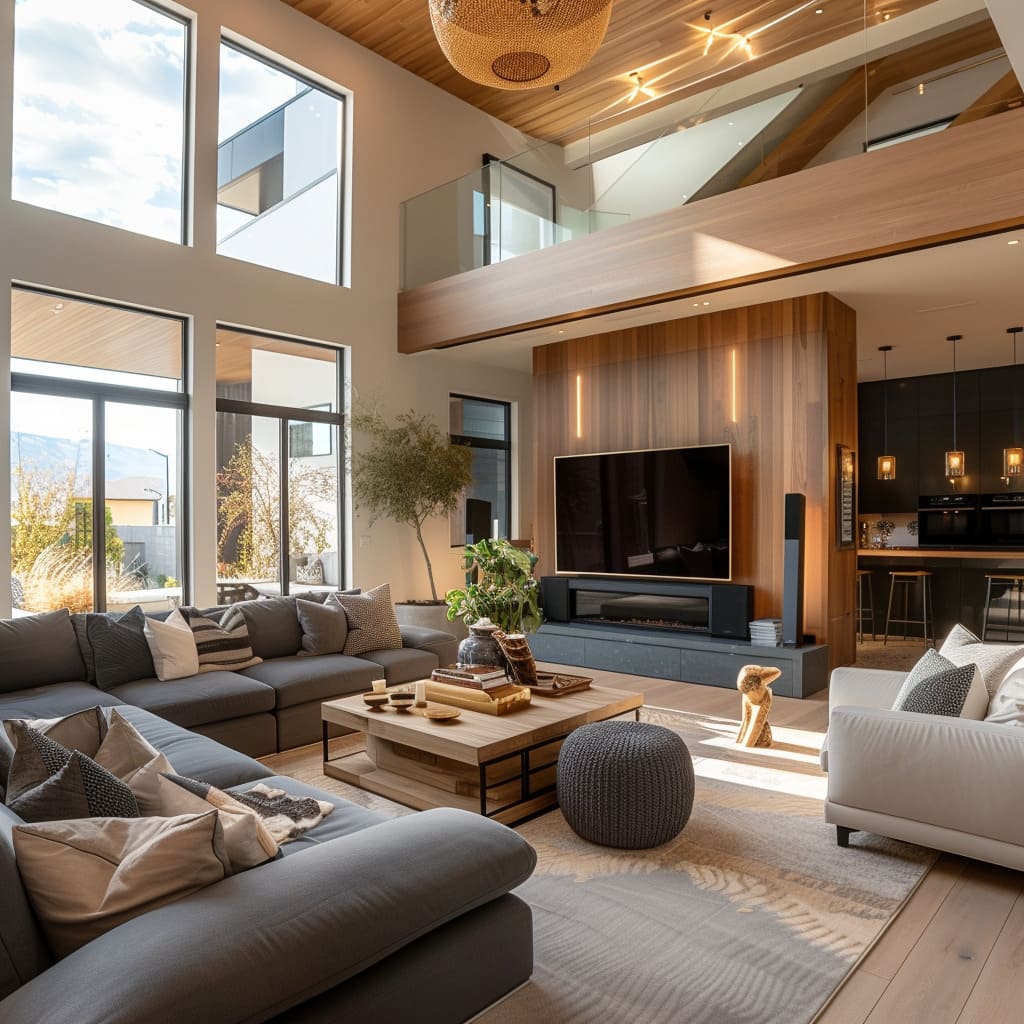
Anchor the room with one clear conversation zone. That usually means a sofa, one or two companion seats, and a coffee table that sits close enough to reach without a dramatic stretch. Resist the urge to push every piece against the wall. That habit often makes the middle feel barren and the edges feel like a waiting room. Pulling furniture inward creates warmth and purpose. Even six inches can change the mood from formal stiffness to something more human.
This is also the moment to edit with courage. Not every lounge needs an extra chair, giant ottoman, or display unit. If a piece does not help comfort, storage, or atmosphere, question it. Hard. Rooms improve when you remove the one thing that keeps them from breathing. Sometimes the smartest move in modern home comfort is leaving space alone. Empty floor is not wasted floor if it gives the whole room balance. In many homes, the room starts improving the moment you stop asking it to perform every possible role at once.
Build Comfort Through Texture, Not Clutter
Once the layout makes sense, the room needs softness and depth. Too many people chase that feeling by piling on objects. They add more cushions, more baskets, more trinkets, more little decorative bits that end up reading as fuss. Comfort does not come from quantity. It comes from contrast. A good lounge feels layered because the materials play well together, not because every surface is occupied. You want the room to feel collected, not constantly mid-unpacking. There is a sharp difference between a room with layers and a room with leftovers, and your eye can spot that difference instantly.
Use Fabrics That Invite People to Stay
The fastest way to make a lounge feel more generous is to improve the tactile story. A linen-blend curtain, a nubby throw, a wool rug, or a velvet cushion can do more for the room than another decorative accessory ever will. Your eye notices texture before your brain explains it. That quiet reaction is powerful. It tells the body to settle. It also keeps a restrained color palette from looking flat and timid.
Start with the biggest surfaces first. If your sofa fabric looks flat, bring in a throw with real weight and a few cushions that do not all match like they came from a starter pack. Mix smooth and rough, matte and soft, dense and light. The goal is not chaos. The goal is relief. When every material feels identical, the room turns dull even if the color palette is decent. Texture is often what makes a modest room feel thoughtful.
A good rule is simple: fewer items, better materials. One handsome rug can carry a room farther than six tiny decorative objects ever could. The same goes for curtains that actually touch the floor and cushions with inserts firm enough to keep their shape. Cheap texture looks tired quickly. Honest texture looks better as the room lives with you. That is why I would rather see one well-made throw than a basket full of flimsy blankets pretending to help.
Keep the Palette Calm but Never Flat
A calm lounge does not need to be beige from wall to wall. It needs range. Think warm stone, muted olive, soft clay, weathered wood, charcoal, tobacco, or off-white with substance. These colors relax the eye because they feel grounded. Then you give them life with small shifts in tone so the room feels rich instead of sleepy. Monotony is not peace. It is just monotony. A room with no tonal movement feels unfinished, even when everything matches.
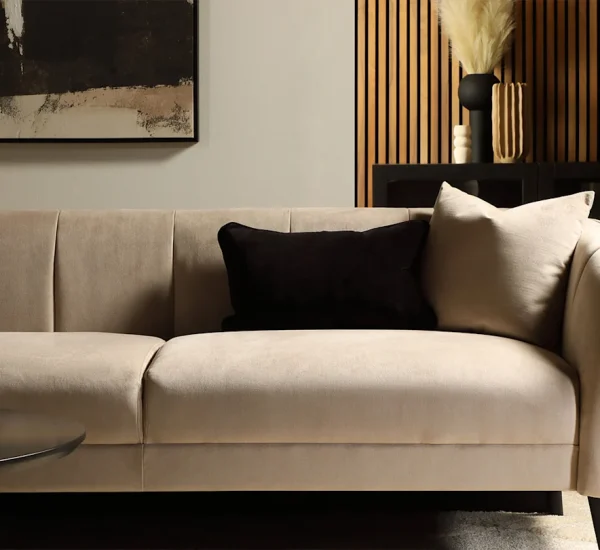
Use one main tone, one supporting tone, and a darker note to add shape. For example, a pale sand sofa with walnut tables and deep green accents feels settled without feeling dull. Or try creamy walls, a rust chair, and black picture frames for a room that has some backbone. Contrast should feel intentional, not loud. You want the room to hum, not shout. The point is to create depth that you feel before you fully name it.
This is where the Lounge Decor Tips most often get mangled by trend panic. People fear color, then overcorrect with trendy statement pieces they hate six months later. Take the slower route. Pick shades that flatter your light and the mood you want after sunset. A lounge is not a billboard for trends. It is a place to land. That changes the whole decision-making process. Trendy rooms impress strangers; grounded rooms keep pleasing the people who live there. One earns a quick compliment. The other earns years of use without making you itch to redo everything by next season.
Light the Lounge Like You Mean It
Nothing exposes weak decorating faster than bad lighting. A lovely room under one harsh ceiling bulb feels flat, tired, and a bit unforgiving. Yet lighting still gets treated like an afterthought, as if a lamp is just something you buy at the end because a corner looks empty. That is backward. Light shapes mood, depth, and how every material in the room behaves. If you want comfort, start taking light personally. It changes not only what the room looks like, but how people behave inside it. People sit longer, read more, talk more easily, and generally soften when the room stops blasting them with the visual equivalent of bad office lighting.
Layer the Light for Evening, Day, and In-Between
A lounge needs at least three kinds of light working together: ambient light for general visibility, task light for reading or focused activities, and accent light for mood. One source cannot do all that well. Use a ceiling fixture if you have it, then add a floor lamp near seating and a table lamp to soften the far side of the room. The mix matters more than the price. Good lighting is usually built, not bought in one lucky purchase. The best rooms rarely rely on a single dramatic fixture to save them. They create a soft chain of light across the room, so no corner feels abandoned and no seat feels like the wrong seat after dark.
The evening test tells the truth. Turn off the overhead light and see whether the room still feels usable and inviting. If it collapses into shadows or feels like a dentist’s waiting area, you need more layered light. Warm bulbs help, but placement matters just as much. Light should fall where people sit, where books open, and where faces look human instead of ghostly. If everyone looks slightly annoyed after sunset, check the bulbs before blaming the furniture.
Daylight deserves respect too. Do not choke a window with heavy treatments unless the room truly needs blackout control. Let natural light bounce around with mirrors, soft wall colors, and reflective surfaces used in moderation. A lounge that welcomes daylight and still glows after dusk feels expensive in the best way. Quietly expensive. The room does not beg for attention because it already has presence. That sort of confidence is far more charming than dramatic fixtures with no supporting plan.
Treat Lighting Fixtures as Part of the Decor
Lamps should earn their place even when switched off. A sculptural floor lamp, ceramic table lamp, or wall sconce adds shape to the room and helps break up the sameness of soft furnishings. This is where you can introduce a little character without making the space feel busy. Lighting pieces are useful, yes, but they are also visual anchors. Do not choose them lazily. A great lamp can rescue an ordinary corner from total forgettability.
Size matters here too. Tiny lamps on large side tables look apologetic. Oversized shades on petite tables look comic. Match the fixture to the surface and to the visual weight of the nearby furniture. If your lounge has a low, broad sofa, the lamp beside it should have enough presence to hold its own. Otherwise the arrangement feels unfinished, even if you cannot explain why. Rooms read as balanced when objects speak the same visual language.
This is also a smart place to add a useful design reference inside your decor story. When you browse home and style inspiration, notice how the strongest rooms use lighting to create mood before they add extra ornament. You can balance that with guidance from the American Lighting Association when you want practical standards for layered illumination. That lesson holds up in real homes too. Light is not decoration’s assistant. It is one of the main characters.
Give the Room Personality Without Creating Noise
A comfortable lounge should reveal something about you. Not everything. Just enough. The problem starts when people confuse personality with volume. They throw every favorite object into one room, mix five styles without a plan, and wonder why the result feels restless. Personality works best when it has edges. You choose what deserves attention, then let the rest of the room support it. Editing is not a loss of expression; it is how expression becomes legible. A lounge with too many competing signals feels noisy even in silence, and that kind of visual noise wears you down faster than most people admit.
Style Surfaces With Restraint and Intent
A coffee table does not need to become a museum gift shop. It needs a few objects with shape, scale, and some breathing room between them. Think a stack of books you actually care about, a bowl or tray, and one natural element like a branch, flower stem, or small plant. That is often enough. Empty space is not failure. It is part of the composition. Surfaces look calmer when they have room to register.
Shelves deserve the same discipline. Instead of filling every gap, create rhythm by mixing upright books, horizontal stacks, framed art, ceramics, and open areas. When everything gets equal attention, nothing stands out. You want moments of interest, not a crowded monologue. The best shelves feel edited by someone with a point of view, not assembled in a hurry five minutes before guests arrive. A little asymmetry usually helps more than perfect symmetry here. Shelves should feel composed, not drilled into obedience. That tiny looseness makes a lounge feel lived in by someone awake to beauty, not trapped by rigid styling rules.
Personal objects work hardest when they tell the truth. A framed sketch from a local market, a travel bowl that still makes you smile, or a lamp you inherited and nearly tossed before realising it had charm — those pieces carry more weight than generic decor bought in bulk. Modern home comfort feels real when the room includes proof that a real person lives there. That lived-in note keeps polished rooms from becoming stiff or self-conscious.
Add Art, Memory, and Contrast That Stick
Art changes the emotional temperature of a lounge faster than people expect. One large piece can steady the room, while a thoughtful grouping can add movement and intimacy. Hang art low enough to relate to the furniture beneath it. That mistake alone ruins countless walls. If the artwork floats too high, the room loses cohesion and starts to feel disconnected from itself. Walls should join the room, not hover above it like separate scenery.
Contrast also keeps comfort from turning sleepy. If the room is mostly soft, add something with edge: a black frame, a metal side table, a dark wood stool, or a chair with a sharper silhouette. If everything is polished, bring in something imperfect, like a handmade pot or an aged leather accent. Friction gives the room life. The trick is measured tension, not visual warfare. People relax more easily in rooms with a little grit under the glamour.
The most memorable lounges hold a little surprise. Maybe it is a striped chair in an otherwise quiet palette, or an old brass lamp in a room full of clean lines, or curtains in a color people did not see coming but instantly understand. That final layer is where confidence shows. You do not need more stuff. You need better choices, then the nerve to stop. Good rooms usually feel finished a step earlier than most people think. The temptation to add one more thing is strong. Ignore it more often.
Conclusion
A lounge should not feel like a test you have to pass. It should feel like the room that understands you best. When the layout respects how you move, the textures invite you in, the light flatters the hour, and the details reflect real taste, the whole space changes character. It becomes easier to keep tidy, easier to enjoy, and much harder to leave. That is the real win. You start reaching for that room without thinking, which is the clearest sign the design works. That instinctive pull matters more than any compliment because it proves the space supports your life instead of interrupting it.
The smartest Lounge Decor Tips are rarely flashy. They ask you to think harder about scale, comfort, contrast, and restraint. They ask you to stop decorating for applause and start decorating for the life you actually live. That shift matters because style that ignores daily use never lasts. It only poses. A room earns affection by supporting your habits while still giving you something lovely to look at on an ordinary Tuesday.
So take one honest look at your lounge tonight. Notice what feels cramped, flat, harsh, or forgettable. Then fix the room in layers, not in panic. Choose one better lamp, one stronger rug, one cleaner layout, one object with meaning. Start there and keep going. If you want modern home comfort that still looks sharp, your next step is simple: edit bravely, buy slowly, and make the room earn your affection every single day.
FAQ 1: How do I make a small lounge look stylish and comfortable?
Start by shrinking the furniture footprint, not ambition. Choose fewer, better pieces with visible legs, layered lighting, and one strong rug. Keep walkways clear. A small lounge feels stylish when it looks intentional and comfortable when nothing blocks easy movement.
FAQ 2: What colors work best for a modern comfortable lounge?
Warm neutrals, muted greens, clay tones, soft whites, charcoal, and walnut shades usually work beautifully. They calm the eye without draining character. Add one darker note for shape, then let texture carry the room instead of relying on loud color.
FAQ 3: How many cushions should I put on a lounge sofa?
Most sofas look better with three to five cushions, depending on size. More than that often turns comfort into clutter. Mix sizes and fabrics, keep the palette connected, and leave enough room so people can sit without rearranging everything first.
FAQ 4: What is the biggest mistake people make in lounge decor?
The biggest mistake is buying furniture before understanding the room’s scale and daily use. People chase appearance, then live with awkward layouts. A handsome lounge still fails when lighting feels harsh, seating feels cramped, or surfaces quietly collect chaos everywhere.
FAQ 5: Do I need matching furniture for a polished lounge look?
Matching furniture is not required, and it can make a room feel flat. A polished lounge usually mixes pieces with shared proportions, tones, or materials instead. Coordination beats sameness. You want harmony, not a room that looks bought in store.
FAQ 6: How can I decorate my lounge on a modest budget?
Spend first on what changes the room most: lighting, curtains, rugs, and a few solid cushions. Rearrange before replacing. Paint helps. Editing clutter helps. A modest budget stretches further when you stop buying filler and choose pieces with staying power.
FAQ 7: Where should I place a rug in a lounge for the best effect?
Place the rug so at least the front legs of the main seating sit on it. That move pulls the arrangement together and stops furniture from looking scattered. A rug floating alone in the middle often makes the lounge feel smaller there.
FAQ 8: How do I add personality to a lounge without making it messy?
Choose a few meaningful pieces, then give them space. Art, books, lamps, and one or two unusual objects usually say enough. Personality comes from selection, not accumulation. The room feels richer when each visible item looks chosen and well placed.