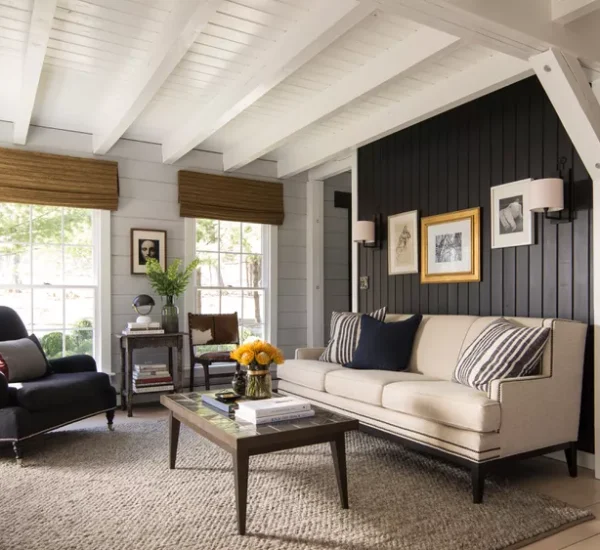
A lounge can look expensive and still feel wrong. You know the type: stiff sofa, lonely lamp, coffee table that seems picked by committee, and a room that somehow makes you want to leave it. Essential lounge changes fix that problem by focusing on comfort you can actually feel, not style that only behaves when guests arrive. The best relaxing rooms are not packed with trendy pieces or painted in whatever color the internet shouted about this month. They are edited, balanced, and built around the way you really live. Maybe you drink tea in one corner every evening. Maybe your kids turn the rug into a racetrack. Maybe you want a room that calms your nervous system after a loud day. That matters more than matching cushions ever will. A lounge should hold you, not perform at you. Once you start seeing the room as a daily tool instead of a display shelf, your choices get sharper. The good news is that you do not need to gut the space to change its mood. A few smart shifts can turn a restless room into the one place you consistently want to stay.
Start With the Layout, Not the Shopping List
Most lounge problems begin before color, decor, or furniture brands enter the picture. They begin with placement. I have seen perfectly good rooms ruined by a sofa shoved flat against a wall, a chair stranded in the corner like punishment, and a television treated as the only thing worth facing. The fix is less glamorous than buying new pieces, which is exactly why it works. You need to decide what the room is for before you decide what goes in it. Rest, conversation, reading, family time, or quiet TV nights each ask for a different setup. Once you know the room’s job, the layout stops fighting you. That is when the room finally exhales.
Build a conversation zone that feels natural
A relaxing lounge invites people in without forcing them to shout across the room. Pull seating closer together than you think you should, then test it with real life. If two people can talk without leaning forward like detectives in an interrogation room, you are getting somewhere.
Distance matters more than people admit. A coffee table that sits too far away turns every cup of tea into a reach. A sofa that faces nothing but a blank wall feels oddly bleak. A chair placed at a sharp angle can make a room feel alert when it should feel soft. Small shifts change the whole mood.
This is where many homeowners overdo symmetry and kill the warmth. Matching everything can make a lounge look neat but emotionally flat. Let one side carry a lamp and the other carry a plant or side table. A room with a little asymmetry feels lived in, and lived in usually feels better.
Create clear pathways so the room stops feeling tense
Comfort is physical, not theoretical. If you have to sidestep an ottoman, squeeze past a side table, or clip your shin on a basket every evening, your body reads that room as work. You might not say it out loud, but your shoulders know.
Give the room easy walking routes. Leave enough space to move from the door to the sofa, from the sofa to the window, and from the main seat to the table without weaving around obstacles. In family homes, this matters even more because traffic patterns are not neat. They are messy and fast.
One counterintuitive truth: a room can feel bigger when you use fewer but better-placed pieces. Not emptier. Bigger. That is the sweet spot. When the layout respects how you move, the lounge feels calmer before you even touch the decor. That shift is the backbone of essential lounge changes that actually last.
Choose Seating That Wants You to Stay
A lounge without inviting seating is just a waiting room with better lighting. People spend money on trendy silhouettes, curved frames, and showpiece fabrics, then wonder why nobody actually relaxes there. It is because the body knows when a room is pretending. Deep comfort does not need to look sloppy, but it does need to feel generous. Seat depth, arm height, fabric texture, and cushion support do more for peace of mind than a dramatic accent chair ever will. If you get seating right, half the room’s emotional work is already done. Everything else becomes support cast.
Pick comfort details that beat showroom looks
A sofa can look flawless under showroom lights and still be miserable after twenty minutes. Test furniture with your back, your neck, and your habits in mind. If you curl up sideways, you need room for that. If you read for an hour, you need support that does not quit halfway through.
Fabric matters more than most style guides admit. Boucle looks pretty, but some people hate its scratchy drag against bare skin. Velvet can feel rich, yet it shows pressure marks and asks for more maintenance. Washed cotton, linen blends, and soft woven upholstery often win because they age with grace instead of demanding admiration.
The best lounges have one seat everyone quietly competes for. That is not an accident. It is usually the chair near the lamp, the sofa end with the blanket basket, or the corner spot with the best cushion support. Design your room around real preferences, not catalog fantasies. That is how comfort becomes credible.
Layer softness without turning the room into clutter
Softness is not the same as stuffing every surface with pillows. Too many lounges confuse comfort with visual noise, and the result feels crowded instead of restful. You want depth, not a textile traffic jam.
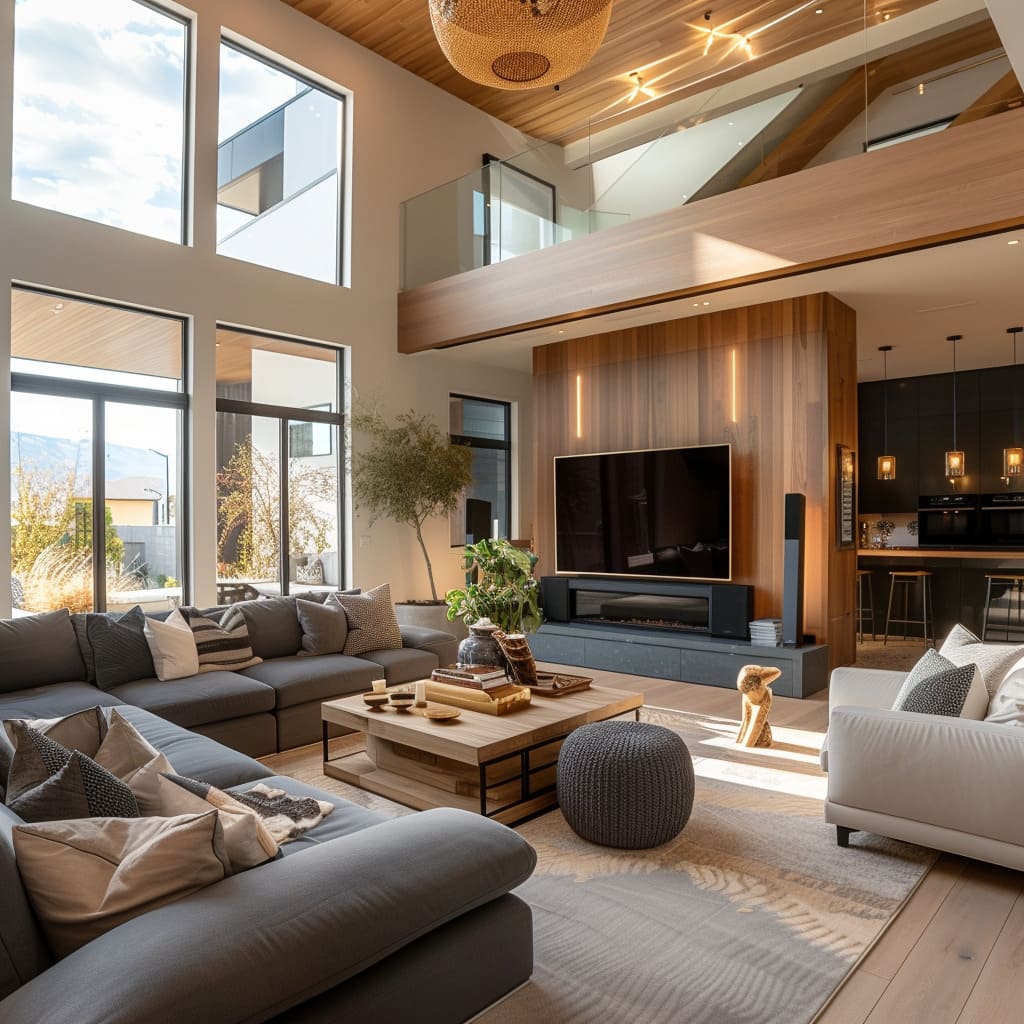
Start with the obvious anchor pieces: a rug with real softness underfoot, cushions in varied weights, and a throw that people can actually reach. Keep the mix practical. One heavier knit, one smoother fabric, and one textured cushion usually do the trick better than six identical pillows lined up like soldiers.
A good rule is this: every soft element should solve a problem. A rug warms echo and cold flooring. A throw helps with chilly evenings. A lumbar cushion improves posture on a deep sofa. When softness has purpose, the room feels calm rather than staged. That is the difference between decorative comfort and true relaxing home energy.
Use Light and Color to Quiet the Room
After layout and seating, mood lives in light. Bad lighting can make even a beautiful lounge feel restless, clinical, or weirdly sad. One harsh ceiling fixture flattening the whole room is rarely enough, and it often does the opposite of what you want. Relaxing lounges use layers of light and restrained color so the room can shift with the hour. Morning should feel open, evening should feel settled, and nighttime should not feel like a supermarket aisle. The right palette supports that change instead of fighting it. This is where subtle choices do the heavy lifting.
Swap glare for layered lighting that softens the edges
A single overhead light is fine for finding a missing remote. It is terrible for building atmosphere. Bring in at least three light sources at different heights: floor lamp, table lamp, and wall light if you can manage it. The room instantly feels more considered and far less tense.
Warm bulbs help, but placement matters just as much. A lamp beside a reading chair creates a private pocket. Light near a textured wall or curtain adds depth. Even a small lamp on a sideboard can make the room feel anchored at night instead of floating in darkness.
This is one of those changes people delay because it seems minor. It is not. Lighting controls how your materials look, how your skin feels in the room, and whether evening actually feels like evening. For anyone craving a softer space, this is one of the smartest lounge changes you can make. No contest.
Calm the palette so your eyes can rest
Color affects the body before the mind catches up. That is why some lounges feel busy even when they are tidy. Too many sharp contrasts, too many competing undertones, and too many statement colors can make the room buzz when it should settle.
A relaxing palette does not have to be beige and half asleep. It simply needs restraint. Think warm stone, olive, muted blue, clay, oat, cocoa, dusty green, or softened charcoal. These shades have enough personality to keep the room interesting without turning every wall into an announcement.
The real trick is repetition. When you echo a tone across the rug, curtains, cushion piping, artwork, or pottery, the room feels connected without feeling obvious. That quiet repetition is powerful. It tells the eye where to land. If you want inspiration for linking comfort with a more polished finish, browse a few thoughtful interior styling ideas and notice how often the calmest rooms use fewer tones, not more.
Remove Friction With Smarter Everyday Details
A room can have lovely furniture, flattering light, and a decent layout, then still fail because it ignores daily behavior. This is the part most people skip because it sounds boring. It is not boring. It is the reason one lounge feels soothing while another becomes a holding pen for chargers, toys, cups, blankets, and unfinished errands. Relaxation depends on low friction. When the room supports your routines, your mind spends less energy managing the space. That is where real ease enters. Beauty helps, but usefulness seals the deal.
Give clutter a home before it takes over yours
Clutter is rarely a moral failure. It is usually a systems failure. If your lounge collects random objects every day, the room is telling you it lacks landing spots. Add a tray for remotes and candles, a basket for throws, a cabinet for games, and a small box for chargers or odd bits.
Closed storage earns its keep in busy homes because not everything deserves a visual role. Open shelving can work, but only if you enjoy editing it. Most people do not. They style it once, then life happens. A mixed approach works best: one or two visible decorative zones, the rest hidden.
Here is the unexpected part: clearing surfaces does not make a lounge feel sterile when you leave a few intentional pieces behind. In fact, one ceramic bowl, a stacked book, and a lamp feel richer when they are not competing with receipts and tangled cables. Calm needs room to breathe.
Add ritual corners that make the room personally yours
The most restful lounges have at least one spot that feels almost private, even inside a shared room. It might be a reading chair with a footstool, a side table for your evening tea, or a bench near the window where you check out for ten minutes before dinner. Tiny ritual zones change everything.
These corners work because they give the room identity beyond general seating. They say this space is for living, not just looking decent. A family in a compact flat may claim one armchair as the quiet seat. A couple might build a vinyl corner with a low cabinet and lamp. Different lives, same principle.
This is also where relaxing home design becomes personal instead of generic. The room should know something about you. Maybe that means a shelf for the books you reread, not decorative hardbacks nobody opens. Maybe it means better curtains because afternoon glare wrecks your mood. Specific choices always beat vague style goals.
Make Texture and Sound Work in Your Favor
Once the room functions, comfort deepens through what people often overlook: texture under the hand and sound in the air. A lounge can be visually pretty and still feel oddly sharp because it is full of hard surfaces that bounce noise and create emotional static. Glass, bare walls, shiny flooring, and sparse windows may photograph well, but daily life tells a harsher truth. Real calm has a physical signature. It sounds softer, feels warmer, and lets your body drop a gear. That is why the final stage of essential lounge changes is not about adding more things. It is about adding the right sensory weight.
Soften echoes with materials that absorb noise
Rooms that echo rarely feel peaceful. They feel exposed. If every conversation bounces, every toy clatters, and every television sound slices through the space, your lounge will never fully settle. The fix is usually textural, not dramatic.
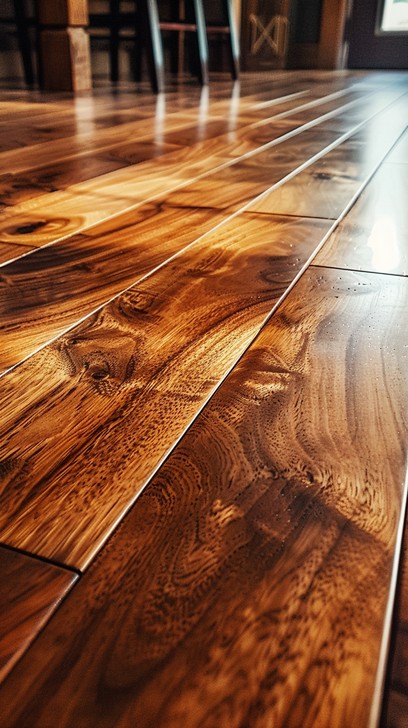
A large rug makes a bigger difference than most people expect, especially in homes with tile or wood floors. Curtains with some substance, fabric shades, upholstered seating, and even a bookshelf can help absorb sound. You do not need a studio setup. You just need enough softness to stop the room from ringing.
I once saw a modest apartment lounge change completely after three updates: full-length curtains, a denser rug, and a fabric ottoman. Same walls. Same sofa. Same budget range. Yet the room stopped sounding nervous. That is the kind of result people miss when they only chase visual upgrades.
Mix textures so the room feels grounded, not flat
Texture keeps a calm room from becoming dull. Without it, soft palettes can drift into blandness, and the lounge starts feeling unfinished. The answer is not wild contrast. It is layered restraint.
Pair smoother surfaces with rougher ones. Think linen against brushed wood, ceramic beside woven fiber, matte paint near a soft metallic lamp base. A leather footstool can sharpen a room that has too much fabric. A timber side table can warm a space leaning too cold. The point is balance, not performance.
This is where experience beats trend reports. The rooms people remember are not always the most expensive ones. They are the rooms that feel grounded the second you sit down. Texture creates that grounded feeling. Quietly. Persistently. It is the final polish that turns good design into emotional relief.
Let the room support the life you actually have
A truly restful lounge does not arrive through one big purchase or a dramatic before-and-after stunt. It comes from a chain of smart decisions that respect how you move, sit, rest, gather, and reset. That is why essential lounge changes matter more than headline-grabbing makeovers. When you improve layout, upgrade seating, soften light, tame noise, and give clutter a proper home, the room stops draining you. It starts giving something back. And that is the whole point. Your lounge should not be the place where design ambition goes to show off. It should be the place where your day gets easier. Start with the one thing that irritates you most, whether that is harsh lighting, awkward furniture placement, or a room that never feels settled. Fix that first, then build from there with intention. You do not need perfection. You need a room that meets you with a little grace. Make one change this week, live with it, and notice how quickly a smarter lounge reshapes the mood of your whole home.
What are the first lounge changes to make for a more relaxing home?
Start with layout, lighting, and seating comfort. Those three affect your body immediately. Move furniture for easier flow, replace harsh overhead glare with lamps, and make sure at least one seat feels deeply inviting. Everything else works better after that foundation.
How do I make my lounge feel cozy without buying new furniture?
Work with what you have by rearranging seating, adding a better rug, layering a throw, and improving lighting. Shift pieces closer together, clear awkward pathways, and use baskets or trays to tame clutter. Comfort often comes from editing, not spending.
Which colors make a lounge feel more peaceful and relaxing?
Muted, earthy shades usually calm a lounge best. Warm stone, olive, dusty blue, soft clay, cocoa, and gentle charcoal feel steady without looking dull. Keep contrast controlled and repeat tones across the room so your eyes can settle instead of bounce.
Why does my lounge still feel stressful even when it looks tidy?
Tidiness alone does not create ease. Stress often comes from bad lighting, awkward traffic flow, uncomfortable seating, echoing surfaces, or furniture placed without purpose. When the room fights your habits, it feels tense no matter how clean or expensive it looks.
How many cushions should a relaxing lounge really have?
Use enough cushions to add support and softness, but stop before the sofa becomes a storage problem. For most lounges, three to five well-chosen cushions are plenty. They should help comfort, not force you to toss half the room aside first.
What kind of lighting works best in a relaxing lounge at night?
Layered warm lighting works best at night. Use a floor lamp, a table lamp, and maybe a wall light or dimmable fixture. Different light heights soften the room, reduce glare, and create small comfort zones that feel far better than one ceiling light.
How do I stop my lounge from collecting clutter every day?
Give everyday items a landing place before they spread. Use trays for remotes, baskets for throws, cabinets for games, and small boxes for cables. Most clutter builds because the room lacks easy storage, not because you are lazy or careless.
Can a small lounge still feel calm, stylish, and comfortable?
Yes, a small lounge can feel wonderfully calm when every piece earns its place. Keep pathways clear, choose furniture with sensible scale, use layered lighting, and avoid crowding surfaces. Small rooms feel better when they are edited carefully, not decorated endlessly.