Your lounge tells the truth about your home long before you do. People step in, look around for five seconds, and decide whether the space feels calm, cluttered, inviting, cold, thoughtful, or trying far too hard. That sounds harsh, but it is also useful, because once you see your lounge as a feeling machine instead of a furniture container, everything gets easier. The room does not need more stuff. It needs better choices.
The strongest lounge styling tips are rarely flashy. They are the quiet decisions that make a room breathe: a sofa that sits at the right height, lighting that flatters instead of interrogates, and textures that make you want to stay put a little longer. I have seen expensive lounges feel oddly lifeless, while modest rooms with good instincts felt rich, warm, and complete. Money helps, taste helps more.
If you want a lounge that looks current without turning into a showroom cliché, you need restraint, rhythm, and a little nerve. The good news is that modern interiors do not demand perfection. They reward clarity. Once you understand how shape, light, layout, and personality work together, the room starts making sense. Then it starts looking good on purpose.
Lounge Styling Tips That Fix the Room Before You Buy More
Most lounge problems are not caused by bad taste. They come from panic-buying pieces one at a time, then hoping the room will somehow organize itself. It will not. A better lounge starts with fixing the bones first: layout, proportion, movement, and the visual weight of what you already own. Get that right, and every later choice works harder.
Start With Layout, Not Decoration
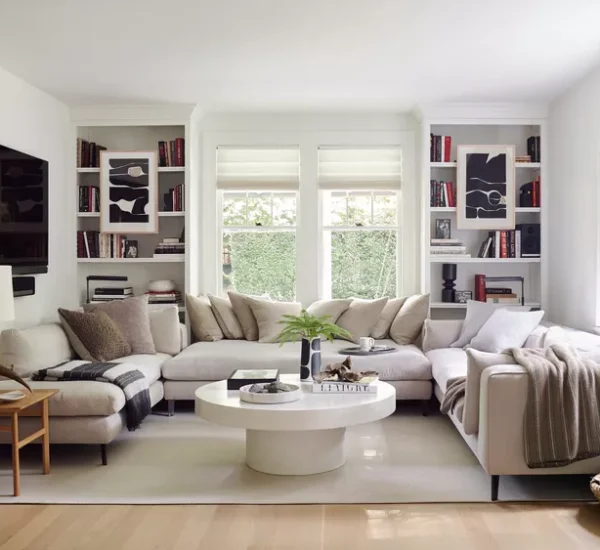
Furniture placement decides whether a lounge feels settled or slightly annoying. Too many people push every piece against a wall, leaving a strange empty patch in the middle like the room is waiting for a school dance. Pulling furniture inward usually solves more than a new rug ever will. It creates intimacy, improves flow, and gives the room a real center.
A lounge should guide the body without making you think about it. You need clear walking paths, enough space to sit down without dodging corners, and a focal point that makes sense for how you live. That might be a fireplace, a media wall, a large window, or even a bookshelf if you actually use the room for reading and conversation. Real life should decide the plan.
The fix often feels smaller than expected. Rotate a chair. Move the sofa six inches off the wall. Let the coffee table sit close enough to reach without lunging like a gymnast. These are ordinary changes, but they calm the room immediately. That is the trick. The lounge should feel arranged, not staged.
Balance Visual Weight Across the Room
A lounge looks off when all the heavy pieces gather on one side and the rest of the room feels thin. This happens constantly in modern interiors, especially when people buy one bulky sectional and then decorate the opposite side with a lonely lamp and hope for the best. Rooms need balance, not symmetry, and those are not the same thing.
Visual weight comes from size, color, shape, and density. A dark bookcase feels heavier than a light linen chair. A chunky stone coffee table anchors a room differently than a glass one. If one side carries all the mass, the room tilts emotionally, even if nothing looks technically wrong. You feel the imbalance before you can explain it.
A smart fix is to spread strong elements around the space. Pair a substantial sofa with a tall plant, a generous floor lamp, or a textured sideboard elsewhere in the room. In one small city lounge I worked on, the room stopped feeling lopsided the moment we added full-height curtains and a low oak console opposite the seating. No miracle. Just balance.
Color and Texture Decide Whether Modern Looks Warm or Sterile
Once the layout works, the room starts speaking in tone. This is where many lounges either come alive or turn into glossy nothingness. Modern design has a reputation for being cold because people confuse simplicity with emptiness. Clean lines can feel deeply comfortable, but only when color and texture carry some of the emotional load.
Build a Palette With Tension, Not Chaos
A good lounge palette does not need ten colors. It needs contrast that feels intentional. Start with a grounded base, then add one or two supporting tones and a sharper accent if the room can handle it. The point is not to impress people with variety. The point is to create a mood that stays coherent from every angle.
Soft neutrals work well because they leave room for texture to speak. Warm greige, chalky white, muted olive, clay, tobacco, charcoal, and washed black all have more personality than plain beige when used with conviction. A room built from these tones looks calm, but not sleepy. That matters if you want the lounge to feel current instead of timid.
What you want is tension that behaves itself. Put a pale boucle chair beside a walnut table. Hang off-white curtains against a smoky wall. Mix matte finishes with one or two reflective notes. On PR Network’s home and design features, you can see how well-chosen contrast gives a space clarity without tipping it into noise. That is the sweet spot.
Layer Texture So the Room Feels Finished
Texture saves a lounge from flatness faster than color ever will. You can build a beautiful room in quiet shades if the surfaces know how to hold attention. Linen, wool, timber, brushed metal, stone, leather, jute, velvet, and ceramic all tell different stories. When they are layered well, the room feels complete even before the accessories arrive.
The mistake is using one texture too often. A room full of smooth finishes looks slippery and impersonal. A room overloaded with fuzzy throws and knotted rugs starts to feel like it is wearing too many sweaters. You need a mix of tactile notes, with some roughness, some softness, and a few calm surfaces that let the eye rest.
This is where the best lounge styling tips quietly earn their keep. Add a nubby cushion to a sleek sofa. Place a matte ceramic lamp on a glossy side table. Let a timber tray sit on a stone coffee table with a soft textile underneath. These combinations make a lounge feel thoughtful, and thoughtful always reads as expensive.
Lighting Makes or Breaks the Mood Faster Than Furniture
A stunning lounge under bad lighting looks tired by sunset. That is the blunt truth. People spend months choosing sofas and rugs, then rely on one overhead fixture to do all the emotional work. It cannot. Light shapes mood, depth, skin tone, color perception, and the hour-by-hour usefulness of the room. Treat it like structure, not decoration.
Use Layers of Light Instead of One Big Glow
A proper lounge needs lighting at different heights. Overhead light gives general brightness, but it should never carry the whole room alone. Table lamps, floor lamps, wall lights, and candlelight each do a different job. Together, they create a room that changes well from morning coffee to evening reading to late-night conversation.
The aim is control. You want bright enough light for practical moments and softer pools of light for the hours when nobody wants to feel like they are being examined. A floor lamp near a reading chair, a shaded table lamp at one side of the sofa, and a warm wall light near art can completely change the room’s character. One source cannot do that.
Think in zones, not fixtures. If your lounge includes a TV corner, reading chair, display shelf, or sideboard, each zone deserves its own glow. I once saw a beautifully furnished room feel cheap for one reason only: a cold ceiling bulb washed every surface the same way. Two lamps and a dimmer fixed the whole thing. Brutal, but true.
Let Decorative Lighting Double as Sculpture
Modern lounges benefit when lighting also contributes shape. A lamp should not just be useful. It should belong to the room even when it is off. This is especially helpful in modern interiors, where clean silhouettes can sometimes leave a room hungry for a bit of personality and curve.
That does not mean buying bizarre statement pieces that dominate the room like a performance art project. It means choosing forms with presence: a mushroom lamp in smoked glass, a slim bronze floor lamp with a linen shade, or a ceramic base that brings a handmade note to sharper furniture lines. Good lighting has a daytime job too.
The best pieces behave like quiet sculpture. They bring contour, material contrast, and a sense of intention without shouting for applause. If your lounge feels visually thin, a well-shaped lamp often adds more character than another cushion ever could. Sometimes the room is not missing color or pattern. It is missing form.
Personality Is What Stops a Stylish Lounge From Feeling Generic
A room can be technically correct and still have no pulse. That is the difference between decoration and identity. Once the layout, palette, texture, and lighting are doing their jobs, your lounge needs evidence of your taste, your habits, and your life. Otherwise, it will look like a furniture catalog that forgot to be human.
Style the Room With Things You Would Actually Miss
The strongest lounges include objects that earn their place. Not random filler. Not trendy ornaments bought in a rush because the shelf looked empty. You want pieces that hold memory, use, or visual meaning: books you re-read, ceramics you love, a chair from your grandmother, travel finds, framed drawings, or a bowl you reach for every day.
This is where restraint matters again. Personality does not mean turning every surface into a souvenir display. It means choosing a few pieces with enough presence to shape the room’s story. A stack of design books, one large branch in a smoky vase, and a framed black-and-white print can say more than twenty tiny accessories spread across every surface.
You should edit hard here. If an object adds clutter but no pleasure, out it goes. If it is pretty but empty, be honest about that too. The room should reflect your eye, not your ability to click “add to cart.” A lounge gains soul when the objects feel chosen, not accumulated.
Know When to Stop Styling
This may be the least glamorous advice in the piece, but it saves more lounges than any trend ever will. Many rooms look worse after the final round of styling because the owner keeps going past the point of completion. One more vase. Two more cushions. A tray, a stack, a basket, a candle, a bead garland, and suddenly the room looks tired.
Modern rooms need negative space the way music needs silence. Empty surface area gives your best pieces authority. It lets the eye land somewhere. It prevents the room from feeling nervous. When every table corner is occupied, the space reads as restless, even if all the individual items are attractive.
Good taste often shows up as stopping power. That is one of the hardest lounge styling tips to learn because buying and adding feel productive. Editing feels ruthless. Do it anyway. Step back, remove three things, and sit with the room for a day. More often than not, the room finally exhales.
How to Make Modern Interiors Feel Lived In Without Looking Messy
By this point, the room should have structure, mood, and personality. Now comes the part that separates a beautiful lounge from a usable one. A stylish room that cannot survive everyday life is basically set dressing. You need systems, softness, and a little realism so the space keeps its appeal after the first week.
Hide Practical Needs in Plain Sight
The best lounges solve real-life annoyances without advertising them. You still need remotes, chargers, blankets, coasters, books, toys, and all the small chaos that turns up when people actually use a room. The trick is not pretending these things do not exist. The trick is giving them homes that do not wreck the look.
Closed storage helps, obviously, but it is not the only answer. A low basket for throws, a handsome box for remotes, or a side table with a drawer can keep the room functional without making it feel clinical. In smaller homes, an upholstered ottoman with storage inside is one of those rare purchases that earns every inch it takes up.
You want convenience that looks intentional. That is the thread running through most successful modern interiors. Daily life stays visible enough to feel human, but organized enough to keep the room composed. When your lounge can absorb a normal Tuesday without collapsing into visual chaos, you have done something right.
Create Rituals That Make the Room Matter
A well-styled lounge is not just seen. It is used in ways that deepen your attachment to it. That sounds sentimental, but it is practical. A room stays cared for when it supports habits you value. Morning reading by the window, Friday film nights, afternoon tea in the good chair, a lamp switched on at dusk like clockwork. Rooms become loved through repetition.
This is where styling stops being cosmetic and becomes personal. You start choosing the side table because it is the right height for your coffee, not because a trend report told you it was fashionable. You pick the rug because it softens the floor under bare feet. You place art where you will actually look at it, not where a formula says it belongs.
That shift matters. A lounge that serves your habits stays relevant far longer than one built around trend anxiety. Style lasts when it is tied to real use. Fashion fades the minute the algorithm changes its mind.
A beautiful lounge is never just a collection of nice things. It is a sequence of smart decisions that make the room feel calm, flattering, useful, and unmistakably yours. The best results come from discipline at the start, warmth in the middle, and restraint at the end. That order matters more than people think.
If you want to improve your space, stop chasing a dramatic makeover and start correcting what the room is already telling you. Fix the layout. Soften the light. Layer texture. Edit harder. Add pieces that say something real about you. Those choices age well, and that is more than can be said for most trends. The most effective lounge styling tips do not shout. They settle into the room and keep proving themselves every day.
So take one section this week and make it better on purpose. Move the chair. Change the lamp. Remove the clutter. Then look again. Your next step is simple: treat the lounge like the room that sets the tone for your whole home, because in many ways, it does.
What are the best lounge styling tips for small modern spaces?
Start with layout, not shopping. Use fewer pieces, choose furniture with visible legs, and keep walking paths clear. Add layered lighting, one strong rug, and texture through fabric. Small lounges look better when every item earns its place.
How do I make my lounge look modern but still cozy?
Mix clean lines with warm materials. Pair simple furniture shapes with soft textiles, timber, warm lighting, and quiet color contrast. A modern lounge feels cozy when it has depth, softness, and a few personal objects that stop it feeling cold.
Which colors work best for modern lounge interiors?
Warm neutrals, muted greens, clay tones, charcoal, and soft off-whites usually work beautifully. The secret is balance. Pick a calm base, then add contrast through darker accents or tactile materials so the room feels layered instead of flat.
How many cushions should a stylish lounge really have?
Use enough cushions to add comfort and shape, but not so many that sitting down feels like a chore. For most lounges, three to five well-chosen cushions work better than a crowded pile that looks fussy and impractical.
What lighting should I use in a modern lounge?
Use layered lighting at different heights. Combine ceiling light with floor lamps, table lamps, and softer accent lighting. Warm bulbs help the room feel welcoming, while dimmers give you control. One harsh overhead light rarely does a lounge any favors.
How do I style a lounge coffee table without cluttering it?
Keep the arrangement simple and varied. Use a tray, one or two books, and a sculptural object or natural element. Leave breathing room. A coffee table looks stylish when it feels considered, not when it is covered edge to edge.
Why does my lounge still feel off after decorating it?
The issue is often layout, scale, or lighting rather than decoration. A lovely sofa cannot rescue awkward spacing or bad proportion. Step back and check movement, focal points, and visual balance before buying anything else for the room.
How can I add personality to modern interiors without ruining the clean look?
Choose a few meaningful pieces instead of many filler accessories. Art, books, ceramics, family finds, and travel objects can all work. The clean look survives when your personal items feel edited, intentional, and genuinely connected to your life.