A lounge can betray you in seconds. You walk in hoping for calm, and instead the room feels cold, cramped, or weirdly lifeless—the kind of space that looks fine in photos but never invites anyone to stay. That gap matters because the lounge is where evenings soften, guests settle, and ordinary days either feel cared for or completely neglected. Real Lounge Inspiration starts when you stop decorating for appearance alone and begin shaping a room around mood, movement, and memory.
The rooms people love most rarely come from buying expensive things in one dramatic weekend. They come from better decisions: a chair placed where sunlight lands in late afternoon, a lamp that flatters faces instead of bleaching them out, a rug that quiets the room before anyone says a word. Warmth is built, not wished into existence. If you want a lounge that feels easy to live in, you need more than matching cushions and a paint swatch. You need a point of view. You need the nerve to edit. And you need to treat comfort as a design choice, not a lucky accident.
Start With Atmosphere Before You Start Shopping
Most people shop too early. They buy a sofa because it is trendy, a coffee table because it is on sale, and a floor lamp because an influencer parked one in a corner. Then they wonder why the room feels like a showroom with no pulse. The smarter move is to decide how the room should feel before a single item enters your cart. Do you want the lounge to slow you down at night, make guests loosen up, or help your family actually spend time together without everyone drifting back to their own screens? That emotional target changes everything that follows.
Let Light Set the Emotional Temperature
Lighting decides whether a lounge feels forgiving or harsh. A room with one bright overhead fixture often looks flatter than it did in your head, because strong top light kills depth and exposes every awkward angle at once. Better lounges use layers instead: ambient light for the room, task light for reading or hobbies, and accent light that gives corners a reason to exist. A warm bulb in the 2700K range usually makes skin, wood, and textiles look more human. That is not a small detail. It is the whole mood.
Natural light deserves just as much respect. A south-facing room can handle richer colors and heavier textures because daylight keeps them alive, while a dim lounge needs surfaces that bounce light back into the space. Sheer curtains, pale walls with some warmth, and mirrors placed with intention can rescue a room that would otherwise feel tired by noon. The trick is not to make it brighter at all costs. The trick is to make it softer, so the room feels open without turning clinical.
One of the best lounges I ever sat in had almost nothing flashy in it—linen curtains, a low lamp near a worn armchair, and a brass wall light above a shelf of dog-eared novels. That was it. Yet the room felt expensive because the light had been handled with care. People stayed longer. Conversation got better. Good lighting does that. It changes behavior before anyone notices why.
Build Comfort Through Texture, Not Clutter
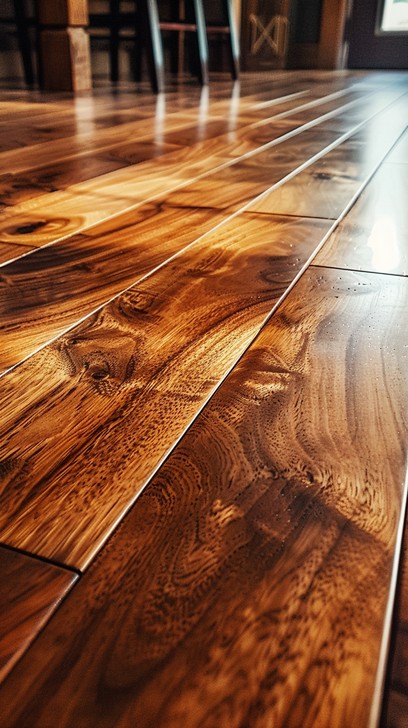
Warmth is tactile long before it is visual. You can paint a room beige and still end up with something that feels sterile if every surface is hard, slick, or cold to the eye. A lounge needs friction in the right places: a nubby wool throw, a matte ceramic lamp, a rug with enough pile to soften footsteps, timber with visible grain, velvet used with restraint. The room should offer contrast when your hand meets it. That is when it stops feeling staged.
Texture also helps small rooms feel finished without packing them full of filler objects. Instead of adding six decorative pieces to a console, you might use one substantial woven basket beneath it and a rough stone vase on top. The space becomes richer without becoming busier. This matters because visual noise drains a room fast. People talk about minimalism like it is a moral virtue. It is not. But restraint does make warmth easier to notice.
There is also a practical side to all this. Homes with kids, pets, or messy real life need materials that age well. A boucle chair may look charming, but not if it traps every crumb and sheds your patience with it. A washable slipcover, a forgiving rug pattern, or a leather ottoman that gains character with scuffs can bring more comfort than the precious option ever could. Pretty is nice. Livable wins.
Lounge Inspiration That Makes Layout Feel Effortless
A beautiful lounge can still fail if the layout fights your body every time you enter it. You should not have to sidestep a table, crane your neck toward the television, or shout across a furniture gap wide enough to land a small aircraft. Great Lounge Inspiration is not about cramming more into the room. It is about making every piece cooperate, so the space feels natural the second you sit down.
Create Conversation Zones That Pull People In
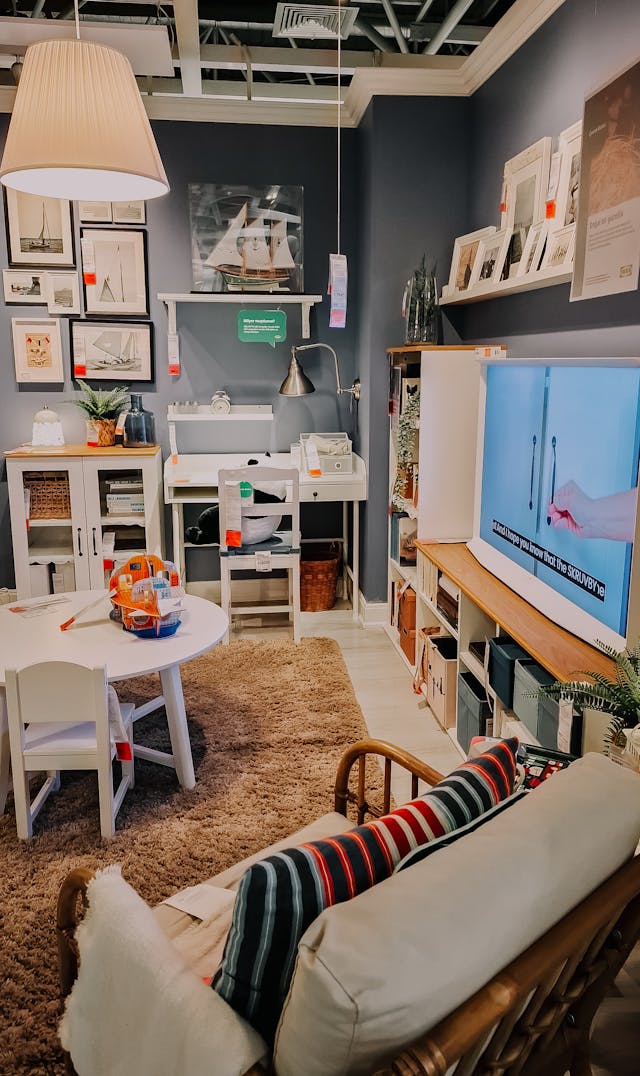
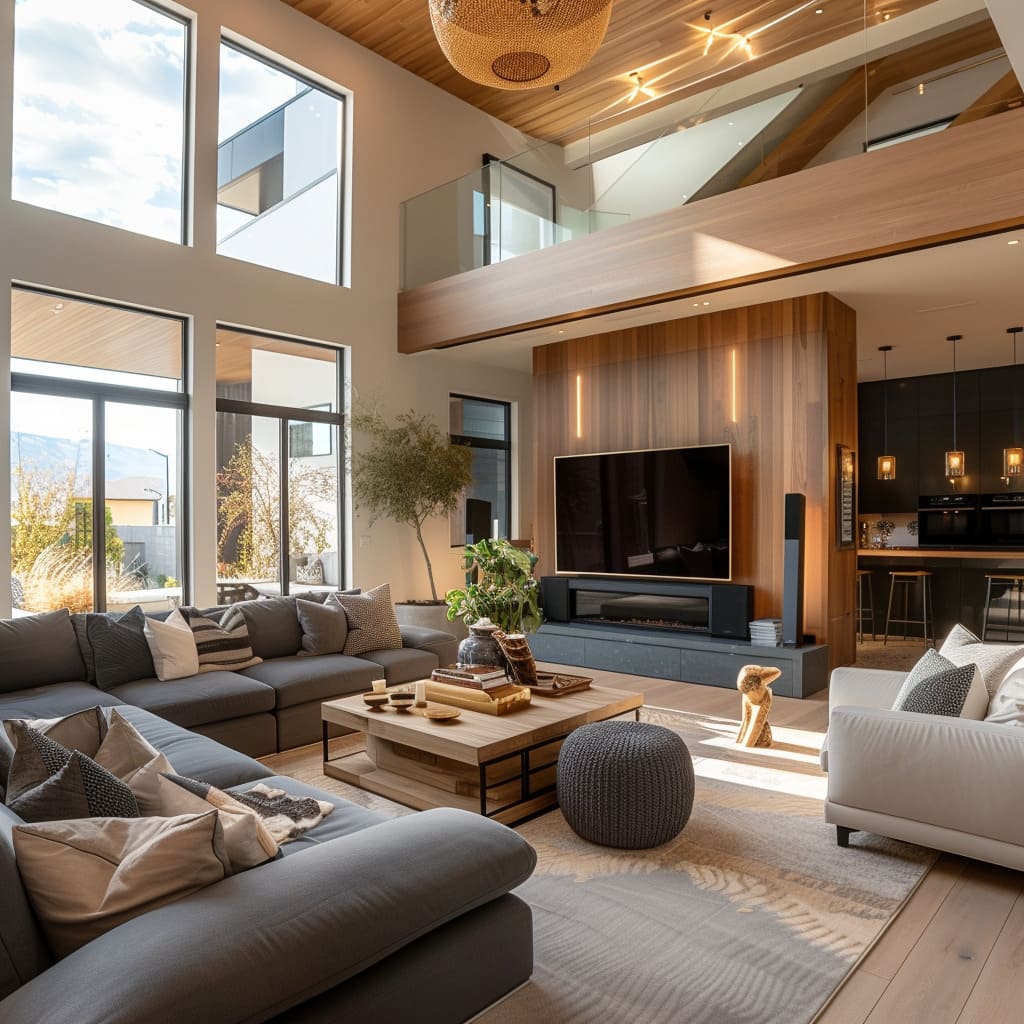
The best lounge layouts respect one basic truth: people like to face each other without feeling trapped. That means your main seats should support conversation first, even if the television still matters. Two chairs angled toward a sofa will almost always feel better than a lineup of furniture pressed against walls like suspects in a police drama. Pulling pieces inward creates intimacy. The room starts holding people together instead of scattering them.
Distance matters more than most people think. Seats too far apart make conversation feel formal and thin, while furniture shoved too close can feel claustrophobic. A coffee table within easy reach, an ottoman that can shift roles, and enough walking space around the core arrangement usually solve most problems. In a modest room, even a slim side table can do more than an oversized center table that eats the floor. Big furniture is not a sign of luxury. Often it is just bad math.
This is where real households need honesty. If your family spends Saturday nights playing board games, your layout should support that. If one person always reads near a window while another watches a match, create two linked zones instead of forcing one bland arrangement to do every job badly. A lounge should reflect the way life actually happens in your home, not the fantasy version sold in catalog spreads.
Use Anchors to Stop the Room From Floating
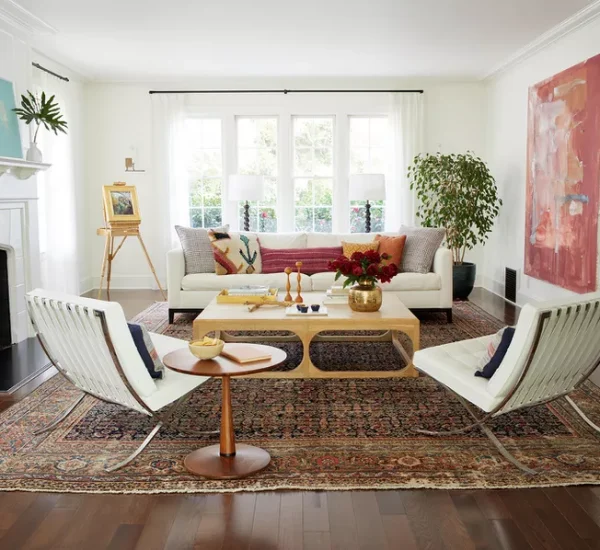
Rooms feel unsettled when nothing visually grounds them. That is why a rug matters so much. It acts like a quiet stage, telling the eye where the main action happens. A rug that is too small makes everything look accidental, as if the furniture arrived at different times and never met. A larger rug that catches at least the front legs of the main seating pieces brings instant order. Suddenly the room makes sense.
Anchors can come from more than rugs. A fireplace, a large artwork, a deep-colored bookcase, or even a long console wall can give the room a center of gravity. Once you know where that pull sits, the rest of the arrangement becomes easier. You stop sprinkling furniture randomly and begin composing the space around a clear focal point. That composure reads as confidence. People may not say it out loud, but they feel it.
I have seen this work beautifully in rental apartments where the architecture offered almost nothing. One friend used a large rust-toned rug, a tall olive tree in the corner, and one oversized abstract print above the sofa. The walls were plain, the windows were awkward, and the landlord had chosen a deeply sad shade of greige. Yet the lounge felt composed because it had anchors strong enough to overrule the room’s original mistakes.
Color Choices That Warm the Room Without Making It Heavy
Warm rooms do not have to be dark, and neutral rooms do not have to be dull. People get trapped by false choices here. They think warmth means brown overload, or they swing hard in the opposite direction and end up with a pale room that feels like it is waiting for instructions. Color should carry emotional weight, yes, but it should also leave enough breathing space for daily life.
Work With Warm Neutrals That Actually Have Character
A good neutral has a point of view. It is not blank white pretending to be clean while making every shadow look blue. It is not grey drained of all warmth until the room feels emotionally unavailable. Better lounge palettes usually lean into oat, mushroom, sand, putty, clay, soft olive, muted caramel, or a creamy off-white with a yellow or pink undertone. These colors hold light instead of rejecting it.
The secret is to test color in motion, not in theory. Paint samples can look one way at 10 a.m. and another by evening when lamps take over. A warm beige in the shop might read peach on your wall, while a greige you thought looked safe may turn lifeless by sunset. Check samples against your floor, upholstery, and curtains. Rooms are relationships, not isolated objects. Color never performs alone.
There is a reason hotel lounges often get this right. They avoid stark contrast and use layered neutrals to make people relax on arrival. You can borrow that trick without turning your home into a faux-luxury set. Pair warm walls with timber in medium tones, black accents in small doses, and textiles that vary in depth. The room stays calm, but it still has a backbone. Soft does not have to mean sleepy.
Add Depth With Controlled Contrast and Small Risks
A warm lounge needs tension, or it slips into blandness. That does not mean painting the whole room charcoal and hoping for drama. It means choosing a few sharper notes that wake the eye up: a dark bronze lamp base, a walnut sideboard, a patterned cushion with tobacco and ink, or a moss-green chair that cuts through a field of neutrals. Contrast gives warmth structure. Without it, everything blurs.
This is also where Inviting Rooms separate themselves from merely nice ones. They include one or two choices that feel a little personal, maybe even a little stubborn. A vintage red ceramic lamp. A striped upholstery fabric no algorithm would have picked for you. An old framed photograph beside contemporary art. These details stop the room from becoming generic, and that is the real danger with trend-led design. It looks polished. It also looks forgettable.
Small risks create loyalty to your own space. When you choose something because it makes your chest lift a bit—not because it matches ten saved mood boards—you build a room with staying power. That matters now more than ever because people tire of fast interiors at the same speed they tire of fast fashion. If you want a lounge that still feels right in three years, give it depth through character, not noise.
Details That Turn a Nice Lounge Into One You Miss When You Leave
Once the basics are right, the room starts asking for a finer level of attention. This is the stage people often rush or ignore. They either over-accessorize until every surface begs for mercy, or they stop too soon and call the room finished when it still feels emotionally blank. The last layer is where warmth becomes personal. It is where function and feeling finally shake hands.
Style Surfaces With Restraint and Real Life in Mind
A coffee table should not look like a homeware store exploded on it. The best styling uses fewer items with more presence: a tray, a stack of books you would actually open, a bowl that catches keys or coasters, maybe one natural element like a branch or seasonal greenery. That balance matters because flat surfaces can either calm the room or create low-grade visual stress. Most people underestimate how tiring clutter really is.
Shelves deserve the same discipline. A good shelf tells a loose story rather than displaying every object you own at once. Mix books vertically and horizontally. Leave breathing space. Use one sculptural object where you were tempted to use five tiny ones. Add something imperfect or handmade so the arrangement does not look too rehearsed. Homes need polish, but they also need pulse. No one relaxes inside a room that feels afraid of fingerprints.
One detail many people miss is scent. A lounge that looks warm but smells stale never fully lands. Fresh air, washable textiles, and subtle scent from a candle, diffuser, or even cedar in storage pieces can shift the whole experience. I would take a simple room that smells clean and woody over a lavish room with trapped dust any day. The nose is ruthless. Ignore it and the room loses.
Make the Room Earn Its Keep Every Single Day
A lounge should not be reserved for special occasions unless you enjoy owning furniture nobody really uses. Daily rituals make a room memorable: the chair where you drink tea at dusk, the lamp you switch on before dinner, the throw you reach for during a film, the shelf where your favorite records sit within arm’s reach. These moments build attachment. Design does not live in wide-angle photos. It lives in repeated use.
Practical upgrades help more than flashy ones. Hidden storage in an ottoman, a side table with a lower shelf, curtains that actually block glare, and a reading light placed at the correct height can improve the room faster than yet another decorative purchase. A lounge earns affection when it solves little problems quietly. That is why thoughtful homes feel richer than expensive ones. They work. And you feel that work on your side.
This is also the moment to add meaningful links outward and inward, both in the room and beyond it. A framed travel sketch, a family photo you truly love, or a handmade piece from a local maker gives the lounge emotional weight. And for more ideas on finishing a home with style, browse interior storytelling tips or explore related reads like easy ways to warm a living room and how to layer texture at home. Little details, chosen well, make Inviting Rooms linger in your mind long after you leave them.
Conclusion
A warm lounge is never just about furniture. It is about what the room asks your body to do the second you enter—exhale, stay, talk longer, read one more chapter, cancel the urge to keep wandering around the house. That kind of ease does not come from copying a catalog page. It comes from sharper instincts: better light, stronger layout choices, richer texture, steadier color, and details that support the life you actually live.
The most useful kind of Lounge Inspiration is not aspirational in a distant way. It is practical, personal, and brave enough to reject anything that looks good but feels wrong. You do not need a bigger budget to get there. You need better editing and a clearer emotional target. Start with one thing this week: move the seating, swap the bulb tone, remove three pointless objects, or add one material the room has been missing. Then keep going. Build the kind of lounge that people sink into without being asked. Build the room you want to come home to. Then make it unmistakably yours.
FAQ 1: How do I make a lounge feel warmer without buying new furniture?
You can warm a lounge quickly by changing lighting, adding a textured throw, using a larger rug, and pulling furniture closer together. Small edits beat expensive shopping sprees. Start with bulbs, curtains, and cushions. They shift mood faster than people expect.
FAQ 2: What colors work best for warm and inviting lounge spaces?
Warm neutrals usually work best because they calm the room without flattening it. Think oat, clay, mushroom, soft olive, and creamy off-white. Add darker accents sparingly for shape. The goal is comfort with depth, not beige boredom or cold minimalism.
FAQ 3: How should I arrange lounge furniture for better conversation?
Arrange seating so people can face each other naturally without shouting across the room. Pull furniture off the walls when possible, keep a table within reach, and leave clear walking paths. Comfort grows when the layout supports real conversation, not just television.
FAQ 4: What textures make a lounge feel more comfortable and lived in?
Use a mix of textures that invite touch and soften the room visually. Wool rugs, linen curtains, timber finishes, velvet cushions, and matte ceramics all help. The key is contrast. Too many smooth surfaces make a lounge feel sterile and emotionally flat.
FAQ 5: Can small lounges still look elegant and inviting?
Small lounges can feel elegant when you choose fewer, smarter pieces and give them room to breathe. Use scaled furniture, layered lighting, and a proper rug. Skip clutter. A compact space feels richer when each item earns its place and supports movement.
FAQ 6: What mistakes make a lounge feel cold or unwelcoming?
Harsh overhead lighting, tiny rugs, furniture pushed against every wall, and lifeless paint colors often make lounges feel cold. Too many decorative objects can hurt too. The room needs softness, shape, and purpose. When those are missing, comfort disappears almost immediately.
FAQ 7: How do I decorate shelves in a lounge without making them look messy?
Decorate shelves with fewer objects that have more presence. Mix books, ceramics, framed pieces, and open space so the eye can rest. Do not cram every shelf edge to edge. A shelf looks more thoughtful when it feels edited, personal, and slightly imperfect.
FAQ 8: What is the fastest way to update a tired lounge?
The fastest update usually comes from changing what your eyes notice first: light, layout, and textiles. Replace cool bulbs, move the seating inward, add one larger rug, and remove visual clutter. Those changes can rescue a tired lounge in a single weekend.