A good lounge changes the way a home feels. It can calm a noisy day, pull people into the same room, and make even a rushed evening feel a little more put together. That is why comfortable home design is not some fluffy decorating phrase. It is the difference between a room you admire from the doorway and one you actually live in.
Most people do not struggle because they lack taste. They struggle because lounges ask a lot from one space. You want comfort without sloppiness, style without stiffness, and enough flexibility for movie nights, work calls, guests, and the odd afternoon when you need to disappear with a blanket and your phone on silent. The room has to do real work.
I have seen expensive lounges feel cold and modest ones feel magnetic. The gap usually comes down to judgment, not budget. A smart lounge starts with how you want to use it, then builds around shape, light, texture, and rhythm. Get those things right and the room begins to support your life instead of fighting it. That is the real target here: a lounge that looks sharp, feels easy, and still makes sense six months from now.
Start with How the Room Should Feel, Not Just How It Should Look
The fastest way to ruin a lounge is to decorate for a photo instead of a life. You do not live inside a pinned image. You live with dropped bags, half-read books, charging cables, guests who stay longer than expected, and nights when the sofa becomes headquarters. A strong room begins with mood and use, because those two choices quietly shape every smart decision that follows.
Define the Real Job of the Lounge
A lounge needs a clear role before it needs a color palette. Some rooms carry conversation, others handle family sprawl, and some must do both while staying polished enough for visitors. I once worked with a family who kept complaining that their lounge felt cramped, yet the real issue had nothing to do with size. They were trying to make one stiff seating plan serve four wildly different habits.
Once they admitted the room hosted homework, coffee chats, late-night shows, and weekend guests, the plan changed fast. The oversized accent chair went out, the floating side tables came in, and the furniture stopped pretending the room belonged in a showroom. The tension vanished because the room finally matched the people using it.
That kind of honesty matters. If you love sprawling on the sofa, buy for that. If you host friends often, make movement easy and sightlines open. If your lounge doubles as a quiet reading corner, protect that purpose with lighting and layout. Rooms behave better when you stop asking them to be everything at once.
Build Around a Comfort Anchor
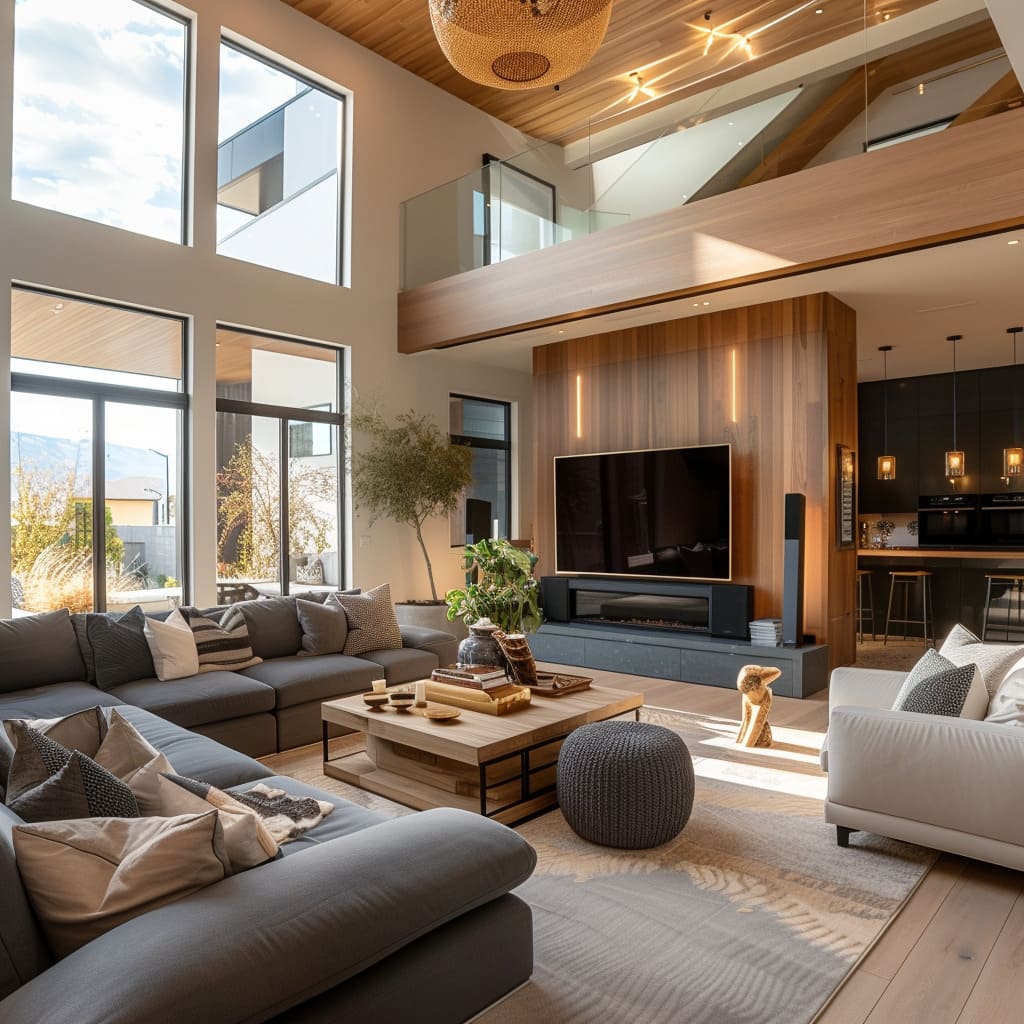
Every memorable lounge has one thing that sets the tone. Sometimes it is the sofa. Sometimes it is a deep rug, a fireplace wall, or the chair everyone secretly claims first. That anchor tells the room what kind of comfort it is offering, and the rest of the choices should support it instead of trying to compete.
People often scatter attention across too many statement pieces, then wonder why the room feels busy and tired. Pick one main comfort anchor and let it lead. A generous sectional with clean lines can carry a room beautifully, but only if you stop loading the rest of the space with visual noise. One leader. Fewer followers.
This is where restraint starts earning its keep. A lounge does not feel rich because every object shouts. It feels rich when one strong piece sets the emotional center, then everything else backs it up with quiet confidence. That is also where many solid design publishing resources get it right: they show that calm rooms still hold presence when the hierarchy makes sense.
Make Layout Do the Heavy Lifting
Once the mood is clear, the layout decides whether the room actually works. Furniture placement is not glamorous, but it can rescue a mediocre lounge or wreck a beautiful one. You can buy better lamps later. You can swap cushions next season. A poor floor plan, though, keeps annoying you every single day until you fix it.
Shape Conversation Without Trapping Movement
A lounge should invite people in, not make them dodge corners like they are running an obstacle course. The most welcoming layouts create a soft conversation zone with a clear center, then leave enough breathing room to move around it. That means you should think in paths as much as pieces.
I have a low tolerance for sofas shoved hard against walls just because that seems “safe.” Sometimes floating furniture a little closer to the center makes the room feel bigger, not smaller. Strange, but true. It creates purpose in the middle and stops the edges from feeling like dead territory.
Try this test: walk through the room as if your hands are full and someone is already seated. If the route feels awkward, it probably is. A lounge should let people sit, cross, reach a drink, and join a conversation without apologizing every thirty seconds. Good layout feels natural because it respects the body before the eye.
Use Scale Like a Grown-Up
Scale mistakes are sneaky. You can have beautiful furniture, nice colors, and solid lighting, then lose the whole room because one sofa is too bulky or one coffee table looks like it belongs in a different apartment. Proportion is not about following rigid rules. It is about making each piece look like it belongs in the same sentence.
A small lounge does not need tiny furniture. It needs furniture with the right visual weight. Slim legs, lifted frames, and open space underneath can keep a room from feeling choked. Meanwhile, a large room often benefits from broader pieces and stronger shapes, otherwise everything drifts and the lounge feels oddly temporary.
The mistake I see most often is timid sizing. People fear one large rug, so they buy a smaller one that leaves half the room stranded. They fear a long sofa, so they choose a shorter one and add awkward extras around it. Commit to pieces that actually hold the room together. Half-measures rarely look elegant.
Comfortable Home Design Lives in Texture, Light, and Material Choices
A lounge becomes inviting when surfaces start speaking to each other. That does not mean you need a dozen fabrics and five wood tones fighting for attention. It means the room should feel layered enough to be warm, but clear enough to stay calm. This is where comfortable home design stops being theory and starts becoming physical.
Layer Texture Without Making a Mess
Texture saves a lounge from flatness. It gives depth to neutral rooms and keeps colorful rooms from slipping into chaos. The trick is not adding more things. It is adding contrast with intention. A soft woven rug under a tailored sofa. A matte ceramic lamp beside a smoother side table. Linen, boucle, cotton, oak, brushed metal. Different feels, same conversation.
One of the best lounges I ever sat in had almost no bold color at all. Cream sofa, brown leather chair, pale rug, dark wood table. On paper, that sounds almost sleepy. In person, it felt rich because every surface offered a slightly different experience. Your eye kept moving, and your body wanted to stay.
That is the sweet spot. Texture should make a room feel alive, not cluttered. If every throw is shaggy and every object is rustic and every basket is visible, the room starts begging for a nap and not in a good way. Pick a few texture families, repeat them lightly, and let the room breathe.
Fix the Lighting Before Buying More Decor
Bad lighting can make a beautifully planned lounge feel cheap by sunset. Harsh overhead light flattens faces, kills mood, and turns every evening into a dentist waiting room. A lounge deserves layers: ambient light for the room, task light for reading, and accent light for shape and warmth.
I prefer three to four light sources in most lounges, even modest ones. A floor lamp near a reading chair, a table lamp on a side table, maybe a wall light or a smaller glow on a shelf. That mix creates pockets of comfort. One ceiling fixture cannot do that job alone, no matter how expensive it looks.
This is one of those fixes people postpone, then instantly regret not doing sooner. You do not need dramatic fixtures. You need control. Soft bulbs, dimmable options, and lamps placed at different heights will make your lounge feel more expensive than another decorative object ever could. Light is mood, and mood wins.
Style the Lounge So It Looks Finished, Not Fussy
After the major pieces are in place, the room still needs editing. This is where many lounges lose discipline. People either stop too early and the room feels unfinished, or they keep adding until the whole thing tightens up like an over-accessorized shop window. The final layer should sharpen the space, not suffocate it.
Choose Decor That Sounds Like You
Decor works best when it reflects a real point of view instead of a shopping spree. That does not mean every object must carry deep personal meaning. It means the room should feel selected, not dumped. A lounge becomes more convincing when your books, art, ceramics, and small objects tell one coherent story about what you notice and value.
I trust a room more when it includes one odd choice. Maybe a vintage brass lamp beside a modern sofa. Maybe an oversized black-and-white photo in an otherwise warm room. Maybe a low handmade bowl that looks slightly imperfect and therefore far more interesting. Perfection often kills charm before clutter does.
This is where lounge design ideas get misread online. People copy the visible items without understanding the attitude underneath them. The best rooms do not rely on trends alone. They mix familiarity with a little friction. That tiny edge keeps a lounge from feeling generic, and it gives the room a pulse.
Edit Ruthlessly and Leave Space
A finished lounge needs blank space the same way music needs silence. Without it, every shelf, wall, and surface starts competing for oxygen. Empty areas are not unfinished. They are what allow the good pieces to land. You do not need to fill every corner to prove you tried.
When I style a lounge, I remove more than I add. That is not minimalism for its own sake. It is discipline. If a side table already holds a lamp and a book, it probably does not need a candle, a tray, a bead garland, and a tiny plant looking anxious beside them. Let one or two things do their job properly.
This matters even more in family homes, where visual noise builds fast. Edit seasonally if you must. Stand in the doorway and ask what your eye hits first, second, and third. If the answer is “everything,” the room needs air. Strong editing is not cold. It is what lets warmth read clearly.
Keep the Lounge Practical Enough to Stay Beautiful
The prettiest lounge in the world means very little if it falls apart after one normal week. Durable beauty wins. Always. That means planning for real maintenance, smart storage, and small habits that protect the room without making it feel precious. A lounge should welcome life, not demand constant damage control.
Pick Materials That Can Take a Punch
Some materials age with grace. Others look defeated by the first spilled coffee or pet paw. If your lounge gets heavy use, performance matters more than fantasy. Washable slipcovers, easy-clean fabrics, wood finishes that hide wear, and rugs with a forgiving pattern all save you from living in low-grade panic.
I once saw a white boucle sofa in a home with two dogs, three children, and a steady stream of snack plates. Bold choice. Also a terrible one. Within months, the owners were throwing blankets over half the seat just to keep up appearances. A room should not need excuses to survive.
Smart selections do not make a lounge boring. They make it sustainable. You can still have softness, elegance, and personality while choosing pieces that forgive daily life. That balance matters more than chasing a perfect first impression that collapses under use. Style should hold up after Tuesday, not just on installation day.
Create Storage That Does Not Announce Itself
Good storage in a lounge should feel almost invisible. The room needs places for remotes, throws, chargers, magazines, kids’ bits, and the random objects that migrate there by evening. But visible containers everywhere can make the room feel busy, especially when each one has a different shape, label, or texture.
Use fewer storage solutions, but make them better. A large ottoman with hidden space can swallow clutter fast. A console with closed cabinets keeps the visual line cleaner than open cubbies stuffed with life. Even a deep drawer in a sideboard can rescue a room from daily drift. Small wins count.
This is also where lounge design ideas become genuinely useful when you filter them through your own habits. If your family drops devices by the sofa, create one charging zone. If blankets collect in corners, give them one proper home. Storage works best when it solves the mess you actually make, not the mess a catalog predicts.
Finish with Personality, Then Keep Tweaking with Honesty
By the time a lounge reaches the final stage, you should feel its logic without needing to explain it. The seating makes sense. The light flatters the room. The materials invite touch. The decor feels chosen. Most of all, the space supports your habits instead of asking you to become a different person just to keep it looking decent.
That is the promise of comfortable home design when you do it well. It is not about playing safe, buying matching sets, or copying someone else’s polished life. It is about creating a room that gives back to you every day. A lounge should steady you, welcome people in, and still hold its shape when life gets loud and untidy.
So here is the next step: stop staring at the whole room like it is one giant problem. Pick one weakness and fix that first. Maybe the layout is off. Maybe the lighting is miserable. Maybe the room needs editing, not shopping. Make one honest change, live with it, then make the next. The best lounges rarely arrive in one weekend. They get sharper because someone pays attention. Start there, and build a room that earns its place in your home.
What is the best layout for a small lounge?
The best small lounge layout keeps walkways clear, uses fewer larger pieces instead of many tiny ones, and lets furniture float when possible. Anchor the seating with one rug, keep tables practical, and protect natural light so the room feels open.
How do I make my lounge feel cozy but still stylish?
Blend soft textures, warm layered lighting, and clean-lined furniture. Keep the color palette calm, then add character through art, books, and one or two unexpected pieces. Cozy works best when comfort leads, but clutter never gets the final word there.
Which colors work best for a relaxing lounge?
Warm neutrals, muted greens, soft browns, dusty blues, and earthy clay tones usually create the calmest lounge mood. The key is balance. Use one dominant tone, one supporting shade, and a darker accent so the room feels grounded instead of washed out.
How can I decorate a lounge on a budget?
Spend on the sofa, rug, or lighting first, then build slowly. Paint changes a room fast, secondhand tables often beat cheap new ones, and cushions help. Budget lounges look good when the layout works and the editing stays sharp and deliberate.
What type of sofa is best for family lounge spaces?
A sofa with durable fabric, supportive cushions, easy-clean upholstery, and a shape that suits your room wins every time. Deep seats work for lounging, but not everyone loves them. Test comfort in person, then choose something that survives daily use gracefully.
How do I choose the right lighting for a lounge?
Use layered lighting instead of relying on one overhead fixture. Combine a ceiling light with a floor lamp, a table lamp, and warm bulbs. Put light where people sit, read, and relax. A lounge feels better when brightness comes in gentle levels.
What are common mistakes in lounge design?
The usual mistakes are undersized rugs, poor lighting, too much furniture, weak storage, and decor that tries too hard. Another big one is ignoring how the room gets used. A lounge always looks better when function and style stop arguing constantly there.
How often should I refresh my lounge decor?
Refresh your lounge lightly every season and more deeply once or twice a year. Swap cushions, edit surfaces, move accessories, and reconsider lighting or layout. Most lounges do not need full redesigns. They need regular, honest attention and a little restraint.