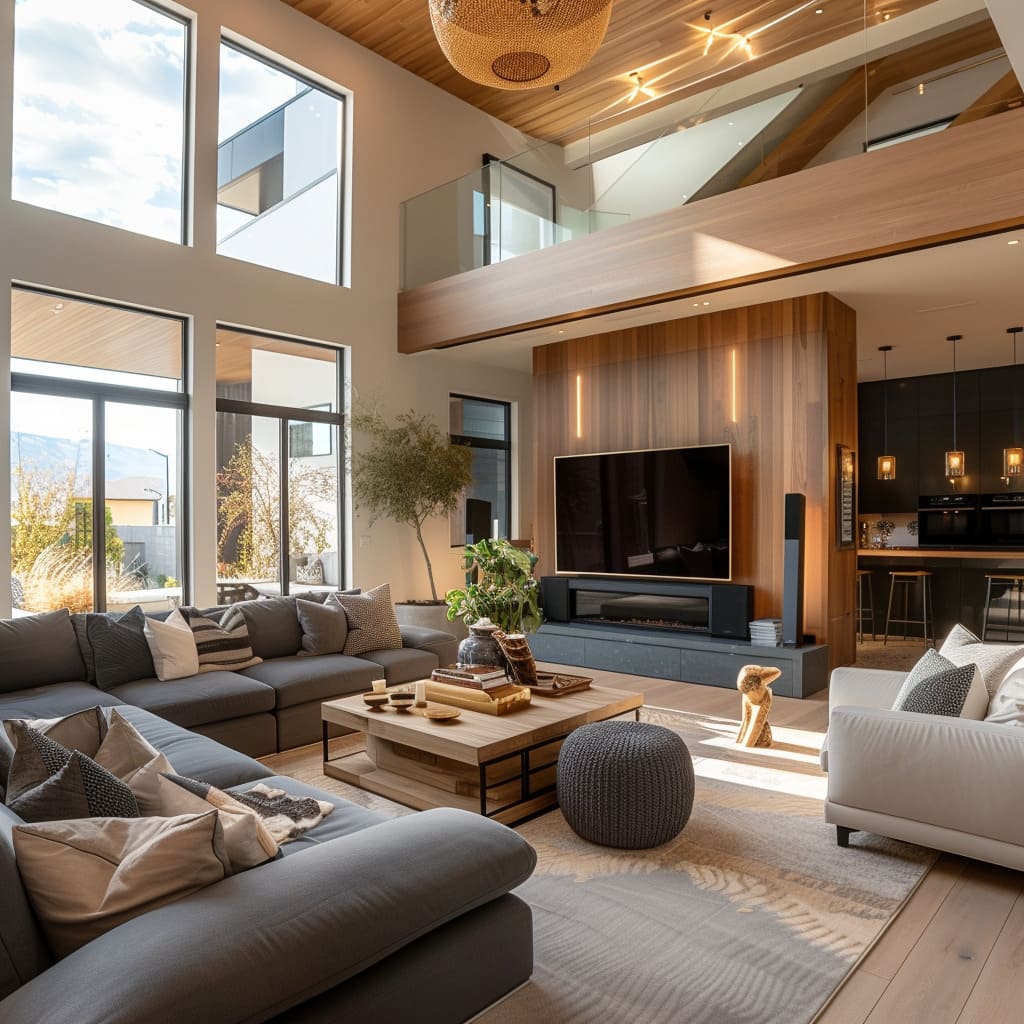
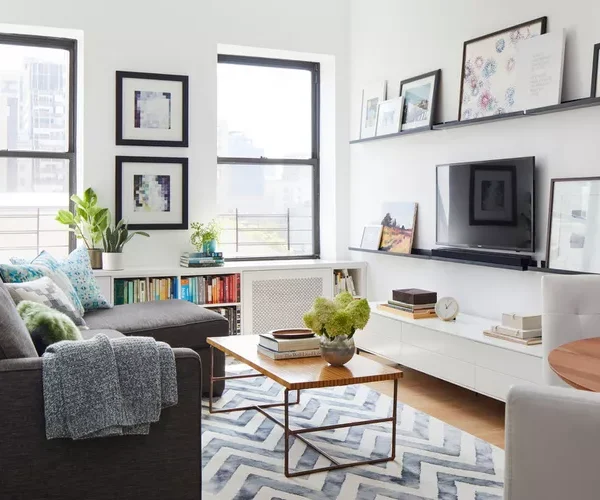
A lounge can look expensive and still feel dead. You have probably seen that room before: polished coffee table, pretty cushions, perfect candle, and somehow the whole thing feels like a hotel lobby that forgot people exist. That is the trap. When you want to style a lounge, elegance is not about stuffing the space with fancy things. It is about control, comfort, and a quiet sense that every choice belongs.
The best lounges do something subtle but powerful. They slow your breathing the second you walk in. They give your eyes a place to land, your hands a place to rest, and your guests a reason to stay longer than planned. I have learned this the hard way after overfilling rooms, buying “statement” pieces that shouted too loudly, and mistaking cost for taste. Elegant rooms rarely beg for attention. They hold it.
If you want a lounge that feels refined without becoming stiff, you need a sharper eye and a little restraint. That is where most people slip. They decorate first and think later. The better move is the other way around.
How to Style a Lounge That Feels Calm, Open, and Intentional
Most elegant lounges begin with subtraction, not shopping. Before you choose a sofa, lamp, or rug, you need to decide how the room should behave. Should it encourage long conversation, quiet reading, family sprawl, or evening drinks? A room that tries to do all four at once usually ends up doing none of them well. The fix is simple: give the space a job, then make every object answer to that job.
Start with the room’s natural lines
A lounge tells you how it wants to be arranged if you stop fighting it. Windows, door swings, ceiling height, fireplaces, and awkward corners all push the room in one direction or another. Ignore those cues and the layout starts feeling off, even when every piece looks lovely on its own. I once watched someone place a giant sectional across the only good window because it “fit the wall.” The wall was happy. The room was not.
The smarter move is to study movement first. Walk through the lounge as if you are carrying coffee, folding laundry, or greeting guests. Notice where you naturally slow down and where you cut across. Elegant design respects that rhythm. Furniture should guide movement, not block it. When people can circulate easily, the room feels richer because it feels settled.
This is also where scale earns its keep. A lounge with tall ceilings can handle a higher-backed chair or a larger artwork stack. A lower room needs lighter silhouettes and more breathing space. Small rooms do not need tiny furniture, though. That is one of those decorating myths that refuses to die. A few properly scaled pieces often look calmer than a jumble of undersized ones.
Build zones without chopping up the room
A refined lounge feels layered, not sliced into pieces. You do not need walls of furniture to create order. You need quiet signals. A rug can define the main sitting area. A side chair with a lamp can claim a reading corner. A slim console behind a sofa can gently separate one purpose from another without making the whole room feel cramped or bossy.
This matters even more in open-plan homes, where lounges often bleed into dining areas or kitchens. The best answer is not to make the lounge louder so it can compete. It is to make it more specific. Give it a mood that stands apart through texture, lighting, and seating shape. A curved chair, a low drink table, or a deeper-toned rug can mark the area without turning it into a fenced-off display.
Architectural Digest has long highlighted conversation-based layouts and varied seating as key to successful living spaces, which makes sense in real life: rooms work better when people face one another and can actually reach a table without performing a yoga pose. Elegant design is practical when it is done well. That is the part glossy photos often forget.
Leave room for pause, not just furniture
Empty space scares people. They see a bare patch of floor or wall and assume they have failed. That urge fills more lounges with clutter than bad taste ever could. A graceful room needs pause. It needs a stretch of wall that lets artwork matter. It needs floor space around a chair so the chair feels chosen, not trapped. It needs air around a coffee table so the arrangement reads as deliberate.
Think of it like punctuation. Without a pause, every sentence sounds breathless. Without space, every object starts shouting over the next one. This is why elegant lounge style often feels easier in the most edited rooms. The eye gets to rest. The mind does too. Not always. But often enough to matter.
When in doubt, remove one piece before buying another. Pull out the extra side table. Lose the stray basket that serves no purpose. Shift the armchair three inches farther from the sofa. Those small edits can do more for the room than a weekend shopping trip. Elegance rarely arrives in a bag. It shows up when the room finally has space to speak.
Choose Furniture That Looks Sharp but Lives Well
Once the layout has a backbone, furniture choices become clearer. This is the stage where many lounges drift into one of two bad moods: too formal to touch, or too soft to feel crisp. An elegant room sits right in the middle. It invites you in without collapsing into slouchy sameness. Comfort matters, but shape matters just as much.
Pick anchor pieces with discipline
Every lounge needs a few anchor pieces that carry more visual weight than the rest. Usually that means the sofa, a pair of chairs, and the main rug. Those items set the room’s tone long before cushions and décor arrive. If the sofa looks heavy, the room reads heavy. If the rug is too small, the whole setup feels like it is balancing on tiptoe. Start there, and be ruthless.
A good sofa for an elegant lounge does not need carved legs and dramatic tufting. It needs proportion, line, and fabric that ages well. Tight upholstery often looks cleaner than something overly padded. A bench cushion usually reads calmer than six separate seat pads. Arms matter too. Rolled arms feel traditional, slim track arms feel tailored, and a soft curve can warm up a room full of straight edges.
Chairs give you even more room to shape personality. This is where you can bring in contrast without chaos. One deep lounge chair and one more upright chair can create visual tension in the best way. A room gets interesting when everything is not matching like a showroom set. That kind of perfect coordination often feels less elegant, not more.
Mix materials so the room has a pulse
A lounge dies when every surface says the same thing. Too much wood makes it flat. Too much metal turns it cold. Too much upholstery makes it sleepy. Elegant rooms have pulse because they mix surfaces with intention: linen against walnut, glass against boucle, aged brass beside matte ceramic. You feel the difference even before you name it.
The trick is to mix textures while keeping the color story controlled. This is where elegant lounge style either lands or loses the plot. If you throw together velvet, jute, leather, chrome, and marble in five unrelated shades, the room starts performing instead of relaxing. Keep the palette steady, then let the materials do the heavy lifting.
I like one polished element, one soft element, one grounded element, and one object with age. That might mean a stone coffee table, a wool rug, a vintage wood stool, and a linen sofa. Suddenly the room has history and contrast without looking staged. That little bit of friction gives elegance its depth. A room with no contrast is just expensive beige.
Buy for real bodies, real habits, and real evenings
Beautiful furniture fails fast when it ignores how you live. A lounge can look amazing at noon and be annoying by nightfall. That is not elegance. That is costume design. If you always watch films with your feet up, your coffee table height matters. If friends gather with drinks, every seat needs a nearby landing spot. If children race through the room, delicate edges and fussy fabrics will test your patience by Tuesday.
This is also why varied seating works so well. One person wants to tuck their legs under them. Another wants firm back support. Another will claim the deepest corner of the sofa and refuse to move. A lounge that gives people options feels thoughtful. It also feels far more relaxed than a room built around one perfect pose.
Architectural Digest has noted the value of mixing hard and soft seating and making sure chairs live near tables, and that advice holds up because it is grounded in use, not trend. You are not styling a museum room. You are styling the place where your life spills out at the end of the day. Respect that, and the room gets better.
Light, Color, and Texture Are What Make Elegance Visible
After furniture, the room starts asking for mood. This is where elegance stops being theoretical and becomes something you can actually feel at seven in the evening. The shape of the sofa matters, yes, but lighting decides whether that sofa looks rich, flat, warm, or vaguely clinical. Color does the same. Texture finishes the job.
Use lighting in layers, not one loud splash
A single ceiling light can make even lovely furniture look like it is waiting for interrogation. Elegant lounges need layers. Ambient light sets the base, task light handles reading or hobbies, and accent light gives the room depth after dark. That sounds technical, but in practice it often means a ceiling source, a floor lamp, a table lamp, and maybe a picture light or wall sconce doing quiet work together.
Bulb choice matters more than many people realize. ENERGY STAR guidance explains that 2700K reads as soft white and 3000K as warm white, both far better for a lounge than harsher daylight tones when you want comfort and atmosphere. In plain language: if your lounge feels a bit like a pharmacy, the bulbs may be the problem.
Dimmers deserve more respect too. They give you control over the room’s emotional range. Morning coffee, family chat, late-night reading, or friends over for drinks all need slightly different light. One room can handle all of them if you stop demanding the same brightness from every evening. Light is not decoration. It is direction.
Choose color like an editor, not a collector
Elegant color palettes feel measured. That does not mean dull. It means each tone has a reason to be there. Start with a base that gives you room to breathe: warm white, soft greige, clay, mushroom, muted olive, charcoal, or a dusty blue that looks grown-up instead of sugary. Then add two supporting tones and one accent that keeps the room awake.
The best palettes often echo the materials already in the room. Walnut can pull you toward tobacco, sand, and ink. Pale oak likes chalky neutrals and quieter greens. Brass can warm up plaster tones and deeper reds. Once you notice those relationships, choosing paint and textiles becomes less mysterious. The room starts editing itself.
Here is the counterintuitive part: bold color can be elegant, but random color never is. One lounge I loved used oxblood curtains, parchment walls, and black lamps. On paper, it sounded dramatic. In person, it felt calm because the palette was tight and the finishes were consistent. Elegant lounge style is not about playing safe. It is about making color decisions that sound like one voice.
Let texture do the talking when color stays quiet
If your palette leans restrained, texture becomes the real storyteller. That is how you make a neutral lounge feel rich instead of half-finished. A nubby wool rug, a slubbed linen curtain, a smooth marble top, an old wooden box with softened edges, a velvet cushion used sparingly—those contrasts create depth without asking for attention every second.
Texture also changes how light behaves. Matte walls absorb and soften. Glass reflects and sharpens. Boucle catches shadows. Leather gains character as it wears in. This is why two rooms in nearly the same colors can feel wildly different. One has layers. The other has paint and hope. Big difference.
Do not spread texture evenly like butter. That flattens the effect. Cluster it. Let one corner hold the heavier softness with a chair, a throw, and a lamp. Let the coffee table zone carry the harder surfaces. Let curtains soften the perimeter. That kind of uneven balance feels human. It also keeps the room from turning into a fabric sample board.
The Final Layer Is Character, and That Is Where Most Rooms Win or Lose
By the time your lounge has a strong layout, useful furniture, and mood-setting light, the room should already feel good. Now comes the dangerous stage: finishing touches. This is where people either give the room its soul or bury it under decorative clutter. Elegance depends on judgment here. More is rarely better.
Style surfaces with restraint and a point of view
Coffee tables, consoles, and shelves should never look like a home store exploded on them. They need a clear point of view. That might be sculptural objects and books. It might be old ceramics and framed photos. It might be one generous floral arrangement and almost nothing else. The exact mix matters less than the edit.
A strong surface arrangement usually balances height, shape, and negative space. You want one tall note, one broad note, one lower object, and a little emptiness so the group can breathe. Books help because they ground smaller items and keep the arrangement from floating. A tray helps for the same reason. It tells the eye, “These things belong together.”
Personal objects matter more than generic décor ever will. A bowl you bought while travelling, a lamp inherited from a grandparent, or even a well-worn chess set can give a lounge more class than ten trendy accessories. That is because elegance has memory. A room feels thinner when every item looks like it arrived in the same delivery van.
Bring in art and details that sharpen the room’s identity
Art is not a finishing touch in the throwaway sense. It is one of the fastest ways to tell the truth about a room. A lounge with generic prints can still be attractive, but it rarely feels complete. Even one piece with conviction can lift the entire space. It does not need to be expensive. It needs to feel chosen.
Placement matters as much as content. Art hung too high creates a strange floating effect that breaks intimacy. Groupings need enough order to feel intentional and enough looseness to avoid looking overplanned. Mirrors can help too, especially in narrow lounges, but they should reflect something worth seeing. A mirror facing a mess simply doubles the mess.
This is also the point where outside inspiration can help, provided you use it wisely. A thoughtful design feature from an interiors publication or a room idea shared through design and media coverage platforms can spark a better solution than copy-pasting a trend from social media. Borrow the principle, not the whole room. Your lounge should sound like you, not your algorithm.
Keep the room elegant by living in it well
The final secret is less glamorous than people want. Maintenance is part of style. A lounge with excellent bones can lose its grace fast if cushions slump, cords snake across the floor, lampshades tilt, and side tables collect random receipts. That is not a design failure. That is a rhythm failure. Elegant rooms depend on light upkeep.
Build tiny habits into the room. Keep a beautiful basket for blankets so throws do not migrate across the sofa forever. Use coasters you actually like, so people reach for them without being told. Give remotes a tray. Edit shelves every few months. Rotate cushions before they start looking tired. None of this is exciting. It works.
And here is the honest part: no elegant lounge stays perfect every hour of every day. Mine does not, and yours should not either. The goal is not a frozen room. The goal is a room that returns to itself easily. That is a far better standard. It means the space serves your life and still holds its shape. That, to me, is real elegance.
Conclusion
A beautiful lounge is never just a collection of good purchases. It is the result of better decisions made in the right order. First comes purpose, then layout, then furniture, then mood, then character. Skip that sequence and you end up decorating problems instead of solving them. Follow it, and the room begins to feel quietly expensive even when every piece did not cost a fortune.
That is why the smartest way to style a lounge is to think less like a shopper and more like an editor. Cut what clutters the room. Keep what supports the mood. Choose pieces that earn their place, not ones that simply match. Let lighting soften the edges. Let texture deepen the story. Let personal objects carry some of the weight. A lounge with elegance should feel composed, not uptight.
Most of all, trust restraint. The room does not need one more trendy item. It needs a clearer point of view. So take a walk through your lounge tonight, move one thing that feels wrong, remove one thing that adds nothing, and upgrade one detail that lifts the whole space. Then keep going. Your next best room starts with that kind of honesty.
FAQ 1: What is the first step when styling a lounge with elegance?
The first step is deciding how you want the lounge to function every day. Once the room has a clear purpose, your layout, furniture, lighting, and décor choices become sharper, calmer, and far less likely to fight one another later.
FAQ 2: How do I make a small lounge look elegant without overcrowding it?
Choose fewer, better pieces and leave visible floor space around them. A well-scaled sofa, one strong chair, layered lighting, and a proper rug usually beat lots of tiny furniture. Small rooms feel elegant when they breathe, not when every corner is filled.
FAQ 3: Which colors work best for an elegant lounge design?
Warm neutrals, muted greens, dusty blues, charcoal, clay, and soft off-whites usually work beautifully. The secret is keeping the palette controlled, then adding depth through texture. Elegant color does not need to be pale; it just needs confidence and consistency.
FAQ 4: Can I style a lounge elegantly on a modest budget?
Yes, and the smartest budget move is editing before buying. Rearrange the layout, improve lighting, remove clutter, and invest in one anchor piece. A lounge looks costly when the proportions feel right, the textures feel rich, and nothing looks accidental.
FAQ 5: What type of lighting makes a lounge feel more elegant?
Layered lighting makes the biggest difference. Use a mix of ceiling light, table lamps, floor lamps, and dimmers so the room can shift mood easily. Soft white or warm white bulbs usually flatter lounges far better than harsh, bright daylight tones.
FAQ 6: How many cushions should an elegant lounge sofa have?
Fewer than most people think. Two to five well-chosen cushions usually look better than a crowded pile you have to throw aside before sitting. The goal is comfort with shape, not a sofa buried under fabric and decorative indecision.
FAQ 7: Do matching furniture sets help create an elegant lounge?
Usually not. Matching sets can make a lounge feel flat and showroom-like. Elegance comes from thoughtful contrast: different chair shapes, mixed textures, and pieces that relate without copying each other. A room gets richer when everything is coordinated, not cloned.
FAQ 8: How do I keep my lounge looking elegant every week?
Create simple reset habits. Straighten cushions, clear surfaces, hide cords, return remotes to a tray, and edit stray clutter before it settles in. Elegant rooms are not magically tidy; they just make it easier to return everything to order.