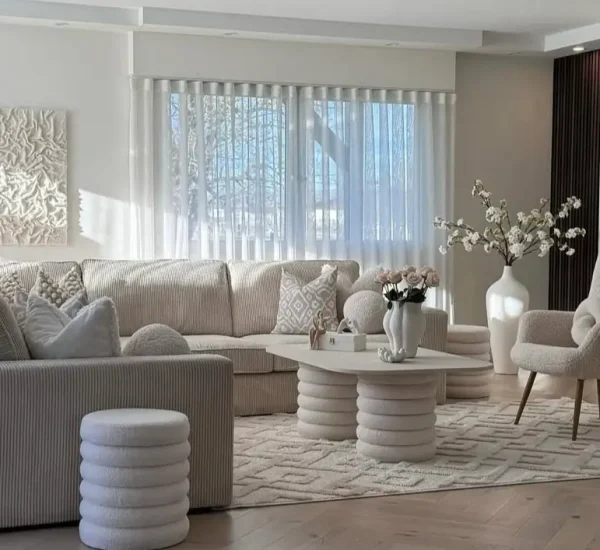
A tired lounge rarely needs a wrecking ball. It usually needs better judgment. The rooms that feel expensive, calm, and current are not always the ones with the biggest budget; they are the ones where every choice looks intentional, and that is exactly where smart Lounge Updates earn their keep. If your space feels dull by late afternoon, cluttered no matter how often you tidy, or oddly flat in photos, the problem often sits in the details you stopped noticing months ago.
I have seen this happen in real homes again and again. The sofa is fine, the walls are fine, the rug is fine, yet the room still feels off. That is because “fine” rarely creates a room you want to sink into at the end of the day. A fresh interior look comes from edits that change mood, flow, and visual weight without turning your life into a renovation site. The goal is not to chase trends like a magpie. The goal is to make your lounge feel sharper, warmer, and more alive the minute you walk in.
Lounge Updates Begin With Ruthless Editing
Most lounges do not fail because they lack things. They fail because they have too many almost-right things competing for attention. When a room feels noisy even in silence, your first move should not be shopping. It should be subtraction, then clearer choices, then a bit of nerve.
Remove What Steals Attention Without Giving Anything Back
Visual clutter does not need to be messy to be annoying. A room can look clean and still feel crowded when every shelf holds filler, every corner hosts a tiny table, and every surface tries to prove a point. I once helped a friend redo her lounge by removing six decorative items, one side chair nobody used, and a stack of glossy baskets she thought looked “styled.” The room exhaled. So did she.
Dead weight usually hides in plain sight. It is the lamp that is too small to light anything properly, the generic framed print that matches nothing you love, or the coffee table accessories you move every single time you need actual table space. Keep the pieces that carry either function or feeling. Preferably both. Everything else is just asking for rent.
This kind of editing sharpens the room before you spend a rupee. It also reveals what the lounge actually needs, which is far more useful than guessing from a late-night shopping tab. Once the excess goes, weak spots become obvious, and that is where better decisions start.
Build Around One Honest Focal Point
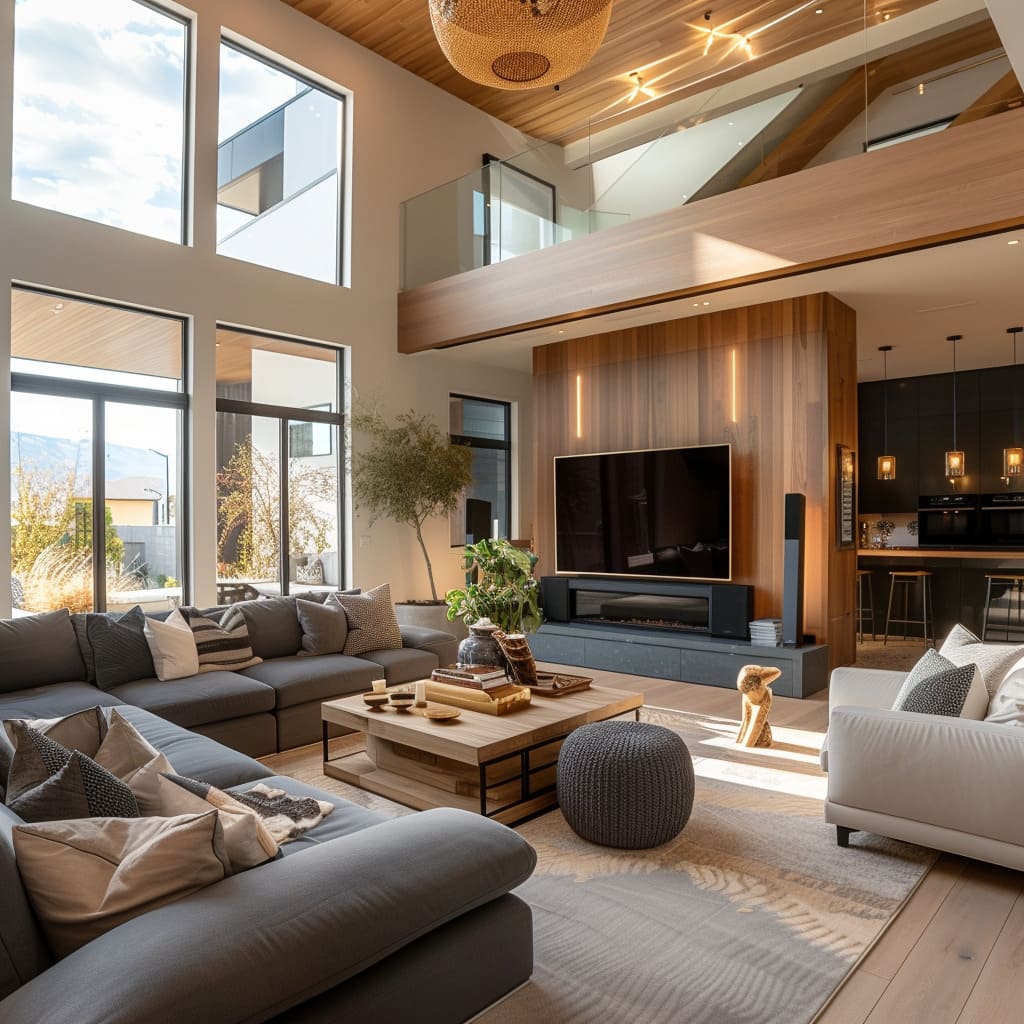
A lounge without a focal point feels like a conversation where everyone talks at once. You need one element that anchors the room and tells the eye where to land first. That might be a fireplace, a large artwork piece, a window with strong curtains, or even a properly sized sofa wall done with confidence rather than apology.
The mistake I see most often is trying to make five features important at once. A media unit stacked with objects, a patterned accent chair, loud cushions, a glossy mirror, and a dramatic rug can each work alone. Together, they start a small civil war. Pick the lead character, then let the supporting cast behave. Rooms work that way too.
When you commit to one visual anchor, every other update becomes easier. Scale makes more sense. Color feels less random. Even the room’s traffic pattern improves because you are no longer arranging furniture around indecision. That is the hidden power behind a fresh interior look: it looks calm because somebody finally chose what matters most.
Light, Texture, and Contrast Change the Mood Faster Than Furniture
Once the room has been edited, the next shift should happen in the atmosphere. Furniture gets all the attention, but mood usually comes from the less glamorous trio of lighting, texture, and contrast. Get those right, and an ordinary lounge suddenly feels more layered, more flattering, and far more grown up.
Fix the Lighting Before You Buy Another Decor Piece
Bad lighting ruins good rooms. I do not mean only harsh overhead fixtures, though those are frequent offenders. I mean lighting that ignores how you actually live: reading on one end of the sofa, hosting people at night, watching a film, or walking into the lounge early in the morning wanting something gentle rather than blinding.
The smartest fix is to layer your light sources so the room can shift with the hour. A floor lamp near seating, a table lamp with a proper shade, and softer ambient light will do more for comfort than another vase ever will. In a real apartment lounge I visited last winter, swapping one icy ceiling bulb for warmer layered lamps made the room feel wider, richer, and strangely quieter. Same furniture. Better light. Total difference.
Light also changes color truth. Paint, timber, stone, and fabric all read differently depending on warmth and placement. That is why some lounges look inviting at noon and miserable after sunset. If you want the room to work in real life instead of just in daylight photos, treat lighting as structure, not decoration.
Use Texture to Add Depth Without Making the Room Busy
Texture is the secret weapon for people who want character without chaos. A lounge can stay neutral and still feel rich when you vary materials with intention. Think linen against leather, matte ceramic near brushed metal, timber beside a soft woven rug. The room starts to feel collected rather than flat.
Smooth surfaces everywhere create a showroom chill that most people mistake for polish. It is not polish. It is emptiness wearing expensive shoes. You need friction between materials so the room has depth. Even one nubby throw, one grainy wood surface, and one tactile curtain can shift the entire tone of the lounge from stiff to lived-in.
The trick is restraint. Do not pile on bouclé, rattan, velvet, faux fur, and ribbed glass all at once like you are assembling a trend starter pack. Pick a few textures that suit your actual life and climate. Then repeat them lightly. That rhythm makes the room feel deliberate, and that is what readers often notice when they browse interior style features for real-home inspiration.
Layout and Scale Decide Whether the Room Feels Generous or Awkward
After mood comes movement. A lounge can be beautiful and still feel wrong if the layout makes you sidestep tables, perch too far from conversation, or stare at furniture that looks either shrunken or swollen. Good flow is not an abstract design idea. It is the difference between a room you use naturally and one you merely tolerate.
Pull Furniture Into Conversation Instead of Pushing It to the Walls
People love shoving furniture against walls because they think it makes the room look bigger. Often it just makes the room look nervous. In many lounges, especially medium-sized ones, pulling seating slightly inward creates a more intimate zone and leaves cleaner circulation around it. The room feels planned rather than abandoned around the edges.
I saw this in a narrow city lounge where the owners had parked everything along the perimeter: sofa, chairs, lamp, console, even the coffee table floating too far away like it had offended somebody. We moved the seating inward by less than a foot, centered the rug properly, and suddenly people could talk without leaning like commuters on a bus. Small shift. Huge payoff.
A lounge should support how you gather, not merely display furniture ownership. Keep reach in mind. Drinks should land easily on a table. Lighting should serve the seat it sits beside. Passageways should feel obvious. When arrangement follows human behavior, the room stops feeling staged and starts feeling generous.
Respect Scale or the Whole Room Starts Lying
Scale is where many otherwise decent lounges lose the plot. A tiny rug under a large seating group makes the whole arrangement look accidental. Art hung too high leaves the wall feeling disconnected. A coffee table that is too small looks apologetic; too large, and it turns everyday movement into an obstacle course.
This is where you need honesty more than taste. Measure the room, measure the furniture, then measure again. That sounds boring, and it is. It also saves you from the classic mistake of buying attractive pieces that never look settled once they arrive. The internet is full of lovely objects. The room does not care. The room cares about proportion.
The best spaces quietly respect size relationships everywhere. That is why one strong oversized lamp can work better than two timid ones, and why a substantial rug often makes a lounge look more expensive, not less. For practical guidance on room planning and professional standards, the American Society of Interior Designers remains a reliable place to start. Beauty loves confidence, but it survives on measurements.
The Final Layer Should Feel Personal, Useful, and Slightly Unexpected
By this point, the lounge should already feel cleaner, calmer, and better shaped. Now comes the layer people rush first and usually handle worst: personality. This stage matters because a polished room without identity feels rented from somebody else’s imagination. The finishing touches should say something about you without turning the room into a scrapbook explosion.
Choose Decor That Carries Memory, Not Just Color
The best lounge details rarely come from buying a full set in one weekend. They come from objects that hold a reason for being there: a ceramic bowl picked up during travel, a framed photograph you still love after years, or a book stack that actually reflects your mind rather than your wish to look literary.
That does not mean every item needs a dramatic backstory. It means your room should not feel assembled by a search filter. A lounge becomes memorable when at least a few pieces resist predictability. One client I know placed her grandfather’s old brass magnifier on a contemporary side table beside a brutalist lamp. It should not have worked. It absolutely did. Rooms need that little jolt of personality.
Decor should also earn its footprint. A tray can corral daily clutter. A stool can hold a book or extra guest. A cabinet can hide the ugly stuff while showing what deserves air. The room gets warmer when your choices feel personal, but it gets smarter when those choices still pull their weight.
Keep the Room Fresh by Styling for Real Life, Not for a Photo
A lounge that looks perfect for ten minutes but collapses by evening has not been styled well. It has been staged. Real freshness comes from systems you can maintain without resentment: baskets where throws actually land, a lamp switch you can reach from the sofa, surfaces that welcome use instead of policing it.
This is where people often sabotage themselves. They create a room full of fragile arrangements, precious finishes, and decorative clutter, then wonder why the space feels tiring to live in. Good styling should lower friction. It should make the room easier to reset after guests, after children, after long workdays, after ordinary life does what ordinary life always does.
That is why my favorite lounge updates are the ones nobody praises in flashy language. They just work. A better table height. Smarter cable control. Curtains that hang with real intention. A cleaner shelf line. A reading corner that finally feels inviting. Browse a few home and decor ideas if you need a spark, but trust your habits more than a mood board. Your room should fit your life, not audition for somebody else’s feed.
Conclusion
The lounges that age well are not the ones chasing every new look. They are the ones built on clear choices, honest function, and a little backbone. If you want Lounge Updates that truly last, start by removing what drains the room, then shape mood with better light, fix layout before it frustrates you again, and finish with details that feel personal rather than performative. That is how a room stops feeling temporary and starts feeling earned.
A fresh interior look does not demand a dramatic budget or a personality transplant. It asks for sharper attention. It asks you to notice the lamp that never worked, the rug that shrinks the room, the shelf styling that says nothing, and the seating plan that makes conversation awkward. Those are fixable problems. Good news.
So do not wait for the mythical “full renovation” moment. Make one strong change this week, then another next week, and let momentum do its job. Start with the piece or corner that annoys you most, fix it properly, and keep going. Your lounge should not merely look better. It should make daily life feel better the second you walk in.
FAQ 1: What are the easiest lounge updates that make a room look better fast?
Start with lighting, cushions, art placement, and clutter removal. Those four changes shift the room quickly without forcing a renovation. When you edit surfaces and improve lamp placement, your lounge feels calmer, brighter, and more intentional by the same evening.
FAQ 2: How can I make my lounge look expensive without buying new furniture?
Focus on scale, texture, and restraint. Use fewer accessories, choose larger pieces of art, add layered lighting, and keep color transitions clean. A room looks pricier when it feels settled and edited, not when every corner is filled.
FAQ 3: Which colors work best for a fresh interior look in a lounge?
Soft earth shades, warm whites, muted greens, deep taupes, and smoky blues usually work beautifully. They feel current without becoming tiring. The real trick is balance: pair calm wall colors with contrast in wood, fabric, metal, and lighting.
FAQ 4: How often should I refresh my lounge decor to keep it current?
You do not need a full refresh every season. Most lounges benefit from small edits twice yearly and one bigger review each year. Swap textiles, restyle shelves, check lighting, and remove tired pieces before the room starts feeling stale.
FAQ 5: What mistakes make lounge updates look cheap instead of polished?
The biggest mistakes are undersized rugs, harsh lighting, too many trend items, and decor bought without purpose. Cheap-looking rooms usually suffer from poor proportion and clutter. Fewer, better-chosen pieces nearly always beat a crowded space with mixed signals.
FAQ 6: Can small lounges still handle bold design updates without feeling cramped?
Yes, but bold works best when it is focused. Choose one strong move, like dramatic curtains, a dark wall, or oversized art. Small lounges feel cramped from clutter and poor layout, not from confident choices handled with discipline.
FAQ 7: What kind of lighting should I use in a modern lounge space?
Use layered lighting instead of relying on one ceiling fixture. Combine a floor lamp, table lamp, and warm ambient light to shape the mood. Modern lounges look better when light feels soft, useful, and flattering rather than cold or clinical.
FAQ 8: How do I choose decor that feels personal but still stylish?
Pick items that reflect your life, not just current taste online. Mix practical pieces with a few meaningful objects, then edit hard. Stylish rooms feel personal when they include memory, contrast, and restraint instead of random decorative filler everywhere.