Introduction
Drywall plays a foundational role in modern home construction. It is one of the most widely used building materials for creating interior walls and ceilings due to its affordability, durability, and ease of installation.
While it may appear simple, drywall is essential for shaping interior spaces, improving insulation, enhancing fire safety, and providing a smooth surface for finishing work. Without drywall, most modern homes would not have the clean, functional interiors we are used to today.
This article explores the important role drywall plays in home construction and why it remains a standard choice for builders and homeowners.
What Is Drywall and Why Is It Used?
Drywall is a construction material made from a gypsum core sandwiched between two layers of paper. It is used to create interior walls and ceilings in residential and commercial buildings.
Its popularity comes from its simplicity and efficiency. Compared to traditional plaster walls, drywall is faster to install, more cost-effective, and easier to repair.
Because of these advantages, drywall has become the industry standard in modern construction projects.
Structural Role of Drywall in Homes
Although drywall is not a load-bearing material, it plays an important structural role in home interiors.
It helps define rooms and spaces by forming walls that separate different areas of the house. This allows architects and builders to design flexible layouts that meet modern lifestyle needs.
Drywall also provides a base for paint, wallpaper, and other decorative finishes, making it an essential part of interior design.
Fire Resistance and Safety Benefits
One of the most important roles of drywall in home construction is fire protection. Gypsum, the core material in drywall, contains water molecules that help slow down the spread of fire.
In case of a fire, drywall acts as a barrier that delays heat transfer between rooms. This provides valuable time for occupants to evacuate safely.
Special fire-rated drywall is often used in garages, kitchens, and shared walls between units to improve overall safety.
Insulation and Energy Efficiency
Drywall contributes indirectly to a home’s insulation system. While it does not provide insulation on its own, it works together with materials like fiberglass or foam insulation placed behind it.
This combination helps regulate indoor temperatures by reducing heat loss in winter and heat gain in summer.
As a result, drywall contributes to improved energy efficiency, lower utility bills, and increased comfort inside the home.
Sound Control and Privacy
Another key role of drywall is sound reduction. When installed with proper insulation, drywall helps minimize noise transfer between rooms.
This is especially important in multi-bedroom homes, apartments, and office spaces where privacy is needed.
Thicker drywall or double-layer systems can further enhance soundproofing, making interiors quieter and more comfortable.
Aesthetic Value and Interior Finishing
Drywall provides the smooth, clean surface needed for modern interior finishes. Without it, walls would appear uneven and unfinished.
Once installed and properly finished, drywall allows for painting, wallpapering, and other decorative treatments.
The quality of drywall installation directly impacts how polished and professional the final interior looks. Poor installation can lead to visible seams, cracks, or uneven textures.
Installation Process in Home Construction
Drywall installation is a multi-step process that requires precision and skill. It typically begins after the framing, electrical, and plumbing work is completed.
Large sheets of drywall are measured, cut, and attached to wall studs using screws or nails. Joints between sheets are then taped and covered with joint compound to create a seamless surface.
After drying, the surface is sanded smooth and prepared for painting or finishing.
Professional installation ensures that walls are straight, smooth, and long-lasting.
Working with an experienced drywall contractor company helps ensure that each step of the process is completed correctly and efficiently.
Types of Drywall Used in Construction
Different areas of a home require different types of drywall depending on their function and environment.
Standard drywall is used for most interior walls and ceilings. Moisture-resistant drywall is used in bathrooms and kitchens to prevent mold growth.
Fire-resistant drywall is used in areas where safety is a concern, while soundproof drywall is used in rooms where noise reduction is important.
Choosing the right type ensures better performance and long-term durability.
Importance of Proper Installation
Even high-quality drywall can fail if it is not installed properly. Poor installation can lead to cracks, uneven surfaces, and long-term structural issues.
Proper spacing, fastening, and finishing techniques are essential for achieving a strong and smooth result.
This is why many homeowners rely on professionals for installation and finishing work.
A skilled Homedrywall team ensures that the drywall is installed with precision, resulting in durable and visually appealing interiors.
Drywall in Modern Home Design
Modern home design relies heavily on drywall because of its flexibility and adaptability. It allows architects to create open floor plans, curved walls, and custom interior features.
Drywall can also be modified with textures, patterns, and finishes to match different design styles.
From minimalist homes to luxury interiors, drywall remains a key material in achieving modern architectural aesthetics.
Common Issues with Drywall
Although drywall is durable, it can develop issues over time if not properly installed or maintained.
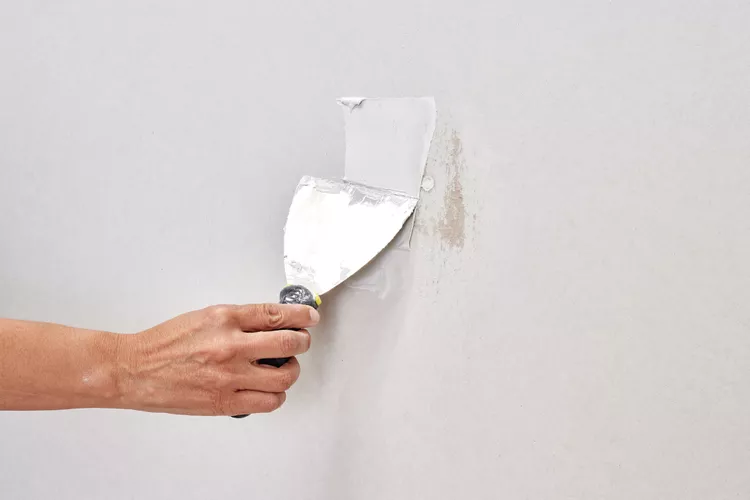
Common problems include cracks, dents, moisture damage, and nail pops. These issues often occur due to structural movement, humidity changes, or poor workmanship.
Fortunately, most of these problems can be repaired without replacing entire walls if addressed early.
Maintenance and Longevity
Drywall requires minimal maintenance, but regular inspection is important to ensure long-term performance.
Small cracks or holes should be repaired quickly to prevent further damage. Maintaining proper indoor humidity levels also helps preserve drywall condition.
With proper care, drywall can last for decades without major issues.
Environmental Benefits of Drywall
Drywall is also considered an environmentally friendly building material. Many manufacturers use recycled materials in production, reducing waste and environmental impact.
Its energy efficiency benefits also contribute to lower overall energy consumption in homes.
As sustainable construction becomes more important, drywall continues to play a role in green building practices.
Drywall is an essential component of modern home construction, playing multiple roles beyond just forming walls. It contributes to structure, safety, insulation, sound control, and interior aesthetics.
Its versatility and affordability make it a preferred choice for builders and homeowners alike.
With proper installation and maintenance, drywall provides long-lasting performance and enhances the overall quality of any home.
By working with experienced professionals and using the right techniques, homeowners can ensure that their drywall systems remain strong, smooth, and reliable for years to come.