
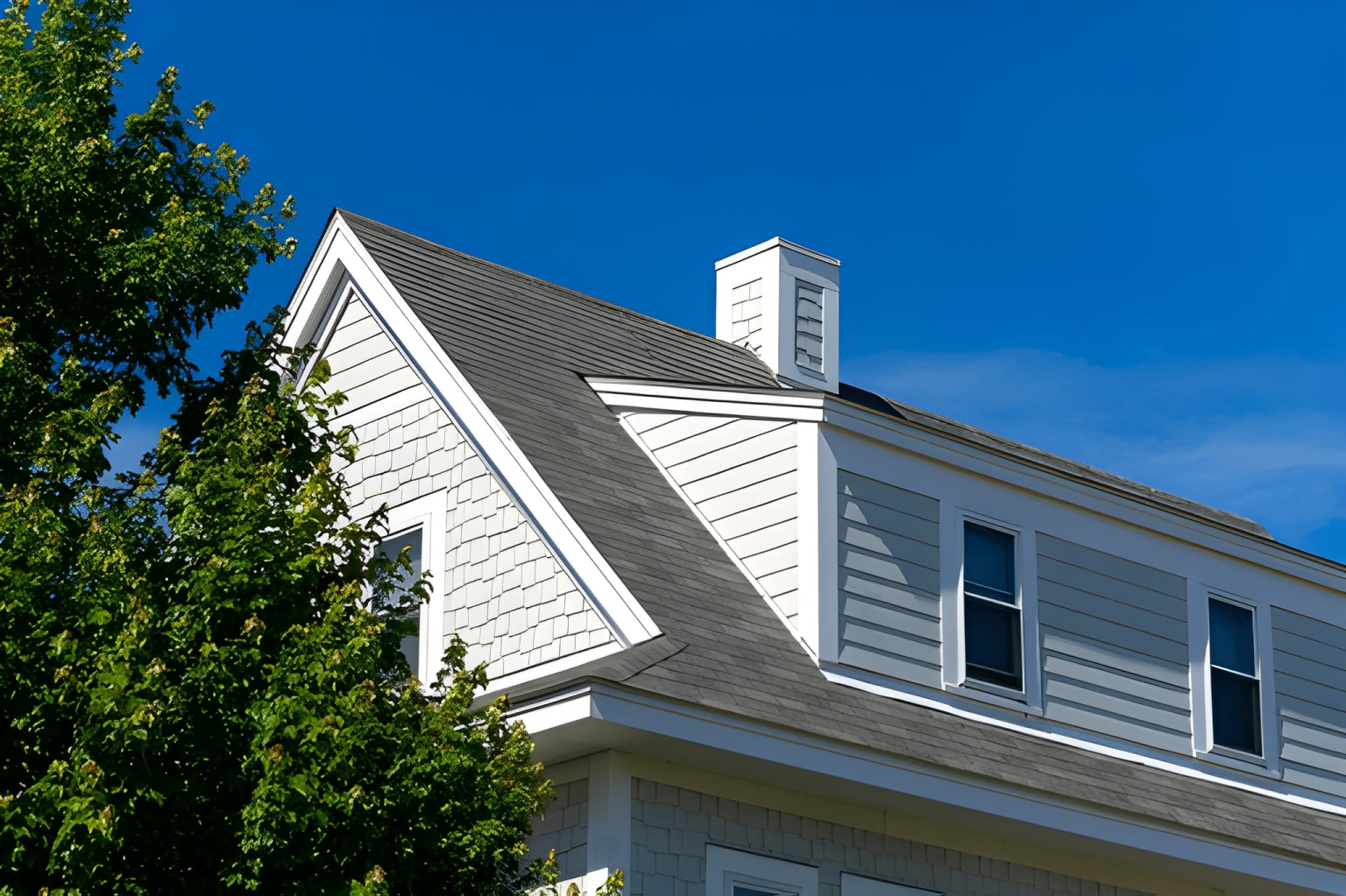
A cramped attic can make a house feel smaller than it actually is. Many American homeowners look at that sloped ceiling and see wasted square footage, but Roof Dormer Addition Costs can change fast once framing, roofing, windows, insulation, and permits enter the conversation. The real value is not only the extra headroom. It is the way a dormer can turn dead roof space into a bedroom, office, reading corner, bathroom, or brighter landing that feels like part of the home instead of an afterthought. Before you sketch anything, study local code, roof pitch, and resale demand in your neighborhood. Smart planning matters more than a pretty exterior. A homeowner in Ohio may face a different permit path than a homeowner in coastal Massachusetts, where wind loads and historic district rules can shape the entire project. For broader home improvement planning resources, trusted property upgrade insights can help frame the decision before you call contractors. A dormer is not a small cosmetic tweak. Done right, it adds comfort. Done poorly, it becomes an expensive roof problem.
What Roof Dormer Addition Costs Actually Cover
Dormer pricing rarely comes from one single item. The number grows because the project cuts into the roof, changes the structure, exposes the house to weather during construction, and demands clean finishing inside. That is why a cheap dormer quote should make you pause, not celebrate.
Why framing and roof structure drive the budget
The frame is where the project becomes serious. A dormer needs proper load transfer, new wall framing, roof tie-ins, headers, sheathing, and support that matches the existing house. If your attic rafters are old, undersized, or oddly spaced, the crew may need extra reinforcement before the dormer even takes shape.
A simple shed dormer on a modern roof may move faster than a gabled dormer on a steep older home. The design may look similar from the street, but the labor behind it is different. In many U.S. homes built before the 1970s, the roof framing was never meant to hold a future living space, so the “addition” starts with correction.
How permits and inspections affect the final price
Permits are not paperwork theater. They protect the house, the contractor, and the next buyer. A dormer can trigger reviews for structural safety, emergency escape windows, stairs, insulation, electrical work, and sometimes zoning height limits.
Cities also vary. A town in New Jersey may ask for stamped drawings, while a rural county may move with fewer steps. Skipping permits can feel tempting when the budget is tight, but it can create trouble during refinancing, insurance claims, or resale. The cheapest shortcut often waits until closing day to hurt you.
The Space a Dormer Creates Inside the Home
Extra square footage sounds nice, but usable space is the better measurement. A dormer earns its keep when it changes how the room works every day. More floor area means little if the ceiling still crushes the room or the window placement feels awkward.
Attic living space that finally feels usable
A dormer can turn a low attic into a real room by creating vertical wall height where the roof once dropped too low. That difference matters around beds, desks, dressers, and walking paths. A child’s bedroom under a sloped ceiling may work for a few years, but a dormer can make it feel like a true long-term room.
In a Cape Cod-style home, this can be huge. Many Cape houses have upstairs rooms that feel charming but tight. A rear shed dormer can add enough headroom for closets, better furniture layout, and safer movement without changing the front of the house much.
Natural light changes the mood of the room
Light is the underrated win. A dormer window brings daylight from a wall, not only from a skylight above. That makes the room feel more normal, easier to furnish, and less like converted storage.
A home office is a good example. A desk tucked under a dark roof slope can feel like punishment by lunchtime. Add a dormer with a properly placed window, and the same corner can become the best work spot in the house. The gain is emotional as much as practical.
Design Choices That Shape Cost and Comfort
Design decides whether the dormer looks like it belongs or feels pasted onto the roof. The best dormers respect the home’s proportions, siding, trim, window rhythm, and roofline. Bad dormers may add space, but they can also flatten curb appeal.
Shed dormer additions for wider interior gains
A shed dormer often creates the most interior room because it stretches across a wider roof area. The roof plane is simpler than multiple small gables, which can help with framing efficiency. That does not always mean cheap, but it can mean more usable space per dollar.
The tradeoff is visual weight. A large shed dormer on the front of a house can look heavy if the design ignores window spacing and roof balance. On the rear, though, it can be a quiet workhorse. Many homeowners choose the back side for that reason: more room inside, less drama outside.
Gable dormers for charm and smaller rooms
Gable dormers bring classic shape and strong curb appeal. They work well over stair landings, small bedrooms, bathrooms, or reading spaces. Their peaked form can match traditional American home styles, especially Colonials, Tudors, farmhouses, and Craftsman houses.
The catch is efficiency. A single gable dormer may not create as much standing space as people expect. It may add beauty, light, and a window seat, but not enough room for a full bed wall or large closet. That is not a failure. It is a reminder that style and square footage are not the same promise.
Planning the Project Without Costly Regret
A dormer deserves slow planning because mistakes get buried under shingles, drywall, and trim. Once the roof is opened, changes become expensive. The smartest homeowners decide how the space will live before they decide how the dormer will look.
Contractor bids should explain the hidden work
A strong bid should separate framing, roofing, siding, windows, insulation, drywall, electrical, interior trim, debris removal, and permits. If a contractor gives one vague number, you cannot compare it fairly with another bid. You need the story behind the price.
Ask how the crew will protect the house from rain during construction. Ask who handles drawings. Ask whether the quote includes matching shingles and siding. A dormer project can look small from the driveway, but the weatherproofing detail is where good contractors prove themselves.
Resale value depends on function, not size alone
Buyers rarely pay more because a dormer exists. They pay more when the dormer creates a room they understand. A legal bedroom, a brighter primary suite, a finished office, or a better upstairs bathroom carries more value than vague “bonus space.”
Roof Dormer Addition Costs should be judged against the function created, not only against the contractor’s estimate. If the project turns an awkward attic into a code-compliant bedroom in a market where extra bedrooms sell well, the math may make sense. If it creates a narrow niche with poor access, the return may feel thin. Design with the next owner in mind, even if you plan to stay.
Matching the Dormer to Roof, Climate, and Code
A dormer lives at the point where design meets weather. That means the roof shape, flashing, ventilation, and insulation matter as much as the interior layout. Many failed dormers do not fail because they look bad. They fail because water, heat, and air were treated like side issues.
Flashing and drainage decide long-term durability
Water finds lazy work fast. The spot where the dormer walls meet the existing roof needs careful step flashing, counterflashing, underlayment, and shingle integration. Valleys and sidewalls deserve close attention because they collect runoff during heavy rain.
In snowy states like Minnesota, Wisconsin, and Vermont, ice dams can make poor dormer details worse. Warm attic air melts snow, water runs down, then refreezes at colder edges. A dormer with weak insulation or bad air sealing can help feed that cycle. The result is not pretty, and it rarely stays cheap.
Insulation must match the new room’s purpose
A dormer used for storage has one standard. A dormer used for living space has another. Bedrooms, offices, and bathrooms need thermal comfort, air sealing, and ventilation that work through summer heat and winter cold.
A finished attic room can become the hottest room in July and the coldest room in January if insulation is treated as leftover work. Closed roof cavities, knee walls, and dormer sidewalls need careful planning. The goal is not only passing inspection. The goal is a room you can stand to use every month.
Frequently Asked Questions
How much does a roof dormer usually cost in the United States?
Costs vary by size, roof complexity, design, permits, and finish level. A small window dormer may cost far less than a large shed dormer that creates living space. Homeowners should compare itemized bids, not rough verbal estimates.
Does a dormer add usable square footage to a home?
A dormer can add usable space when it increases headroom and improves layout. The gain depends on roof pitch, dormer width, ceiling height, stair access, and local code. Some dormers add comfort more than measurable square footage.
Is a shed dormer cheaper than a gable dormer?
A shed dormer can offer more interior space for the money, especially across the rear roof. A gable dormer may cost more per usable foot because it creates less room, but it can add stronger curb appeal.
Do I need a permit for a dormer addition?
Most U.S. homeowners need a permit because the project changes the roof structure and may affect electrical, insulation, emergency egress, and zoning rules. Local building departments set the exact requirements, so check before hiring a crew.
Can a dormer turn an attic into a legal bedroom?
A dormer can help, but it does not guarantee a legal bedroom. The space may still need proper ceiling height, stairs, insulation, heating, electrical safety, and an emergency escape window that meets local code.
How long does a dormer addition take to build?
A small dormer may take a few weeks, while a larger finished dormer can take longer due to design, permits, weather, inspections, and interior finishing. Roof exposure makes scheduling important, especially during rainy or snowy seasons.
Will a dormer increase home resale value?
A dormer can improve resale value when it creates a clear function, such as a bedroom, office, bathroom, or brighter finished attic. Buyers respond to useful space, safe construction, and design that fits the home.
What should I ask a contractor before adding a dormer?
Ask for itemized pricing, permit handling, structural details, weather protection plans, flashing methods, insulation approach, timeline, payment schedule, and examples of past dormer projects. A serious contractor should explain the hidden work without dodging specifics.