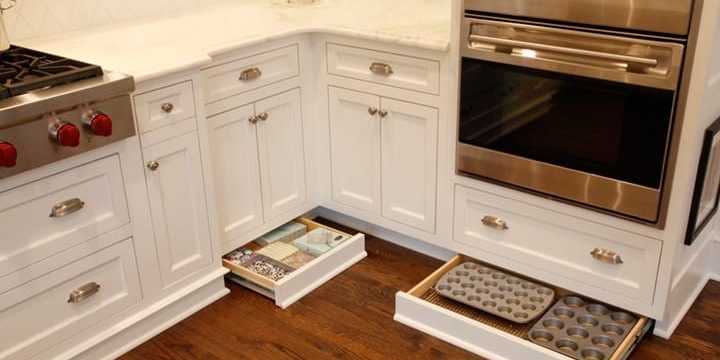
Most kitchens hide useful storage in the one place homeowners almost never question: the empty strip beneath the cabinets. A smart toe kick drawer installation turns that forgotten zone into a clean, low-profile storage spot for flat items, seasonal tools, baking pans, placemats, pet bowls, or those awkward pieces that never sit well in a standard drawer. For many American homes, especially older houses, condos, townhomes, and smaller suburban kitchens, gaining space without tearing down walls feels like a small win that acts bigger than it looks. Good storage is not always about adding more cabinets. Sometimes it is about noticing the dead space already built into the room. Homeowners comparing practical remodeling ideas through home improvement planning resources often find that the best upgrades do not shout for attention. They work quietly every day. This one does exactly that.
Why Toe Kick Drawer Installation Makes Sense in Tight Kitchens
A kitchen usually loses space in tiny pieces, not one dramatic blow. The cookie sheets lean behind the roasting pan, the pet supplies land near the back door, and the extra placemats get shoved into a laundry cabinet because no drawer can spare the room. That is where toe kick space starts to matter. It is low, hidden, and already framed into most base cabinet runs.
Hidden Kitchen Storage That Does Not Change the Room
Hidden kitchen storage works best when it does not disturb the room’s natural flow. A toe kick drawer sits behind the recessed panel at the bottom of a base cabinet, so it keeps the cabinet faces, walkways, and counters looking the same. Guests may never notice it. You will notice it every time a flat tray finally has a real home.
This storage zone is best for items you do not need twenty times a day. Baking sheets, cooling racks, table linens, cutting boards, grill mats, and holiday serving pieces all fit the rhythm. You bend down, pull the drawer, grab the item, and close it again. No upper cabinet avalanche. No digging behind stacked pans.
The counterintuitive part is that low storage can make upper storage feel lighter. Once thin items leave crowded cabinet shelves, the everyday items above them become easier to reach. A small drawer near the floor can change how the whole kitchen behaves.
Under-Cabinet Storage for Real American Homes
Under-cabinet storage is not only for tiny apartments. Plenty of U.S. homes have medium-size kitchens that still feel cramped because the layout wastes corners, soffits, narrow base cabinets, or blind spots. A 1990s builder-grade kitchen in Ohio may have more square footage than a Brooklyn condo, but the storage stress can feel almost the same.
A toe kick area usually runs beneath long cabinet sections, which means several drawers may be possible without touching walls or counters. One drawer under the sink base might hold dishwasher tablets and spare sponges if moisture is controlled. Another under a baking station might hold sheet pans. A third near the breakfast nook might store placemats and kids’ art trays.
The upgrade feels modest, but it solves the kind of daily irritation that makes a kitchen feel poorly planned. Nobody brags about finding a home for cooling racks. Still, that is the stuff that makes a kitchen easier to live in.
Planning the Drawer Before You Cut Anything
Good storage projects fail when homeowners treat the empty toe space like guaranteed usable space. It is not. Plumbing lines, cabinet legs, HVAC vents, uneven floors, and shallow cabinet frames can all turn a simple idea into a headache. Planning protects the cabinet, the floor, and your patience.
Measuring Base Cabinet Storage the Right Way
Base cabinet storage starts with the opening, but the real measurement is the usable cavity behind it. Standard toe kicks are often around 3 to 4 inches high and recessed a few inches from the cabinet face, but older homes and custom cabinets vary. Measure height, depth, and width in more than one place because floors are rarely perfect.
Drawer height needs room for the drawer box, slides, clearance, and the finished toe-kick front. That means a 4-inch opening does not give you a 4-inch-tall drawer. The actual box may be much shallower. Thin storage is the point, so treat that limit as a design rule instead of a disappointment.
Check for obstructions with a flashlight before you order hardware. Some cabinets hide adjustable feet or blocking behind the toe panel. Others may have a floor vent tucked under the sink or near an exterior wall. Cutting first and discovering a duct later is the kind of mistake that turns a weekend project into a repair bill.
Where a Kitchen Drawer Installation Pays Off Most
A kitchen drawer installation near the right work zone beats a larger drawer in the wrong place. Place baking storage near the oven, pet supplies near the feeding area, and table linens near the dining side of the kitchen. Convenience matters more than total cubic inches.
One smart example is the cabinet run beside a range. Many homeowners store sheet pans in a lower cabinet where they fight with skillets and lids. A shallow drawer under that same cabinet can keep baking sheets flat and easy to slide out. The cabinet above becomes calmer, and the cooking zone works better.
Avoid spots where people stand for long stretches. A drawer under the sink may seem handy, but if someone is washing dishes, another person cannot easily open it. A drawer under a less crowded prep area often works better. Storage should remove friction, not move it to your ankles.
Toe Kick Drawer Installation Details That Protect the Cabinet
The difference between a clever upgrade and a flimsy add-on usually comes down to support. Low drawers take abuse because people nudge them with shoes, kick them by accident, and sometimes overload them with heavy items. The cabinet may hide the drawer, but the build quality still matters.
Choosing Slides, Boxes, and Front Panels
Drawer slides should match the drawer’s job. Light-duty slides may handle placemats and napkins, but pans, tools, or pet food lids need stronger hardware. Full-extension slides make more sense in toe kick spaces because the drawer is low and shallow. You do not want to kneel and fish around in the back.
The drawer box should be stiff enough to resist twisting. Plywood often performs better than thin particleboard in this location because the drawer is wide, shallow, and close to the floor. A weak box may rack over time, especially if someone pulls it from one side instead of the center.
The front panel needs to blend with the existing toe kick. Some homeowners reuse the cut toe-kick piece as the drawer face, which gives the most invisible look. Others install a matching painted or stained panel. Push-to-open hardware can keep the face clean, but a small recessed pull may work better in busy family kitchens where shoes and dust are part of real life.
Handling Floors, Vents, and Cabinet Framing
Floors can complicate the cleanest plan. Tile may sit higher than the cabinet base, hardwood may slope near an old exterior wall, and vinyl plank may have been installed after the cabinets. Each condition changes clearance. The drawer must slide without scraping, even after seasonal movement.
HVAC vents deserve extra respect. Many U.S. kitchens have toe-kick registers that push air from ductwork under the cabinets. Blocking one can affect comfort and may create moisture issues in some climates. If a vent sits in the target area, plan around it or talk with an HVAC pro before changing airflow.
Cabinet framing also sets the rules. A face-frame cabinet may need added blocking for slide attachment. Frameless cabinets may offer cleaner side mounting, but the toe-kick cavity can still be uneven. The quiet truth is simple: the part no one sees often needs the most careful carpentry.
Making the Storage Work After the Drawer Is Built
A hidden drawer can become a junk zone if you treat it like bonus space with no plan. The best use is narrow, flat, and specific. Give each drawer a job before you fill it, and it will stay useful instead of turning into a low drawer of mystery parts.
Best Items for Hidden Floor Space
Hidden floor space is perfect for items that are flat, wide, and annoying elsewhere. Sheet pans, muffin tins, serving trays, silicone baking mats, placemats, folded aprons, and reusable shopping bags all make sense. These items waste vertical cabinet space, but they sit neatly in a shallow drawer.
Families with pets can use one drawer for collapsible bowls, feeding mats, leashes, or sealed treat bags. Parents may use one for kids’ craft trays or lunchbox containers. In a small rental-style condo, a drawer can even hold extra oven racks or appliance manuals if the kitchen has no pantry.
Heavy items need restraint. Cast-iron pans, bulk cans, and large tools may fit, but they can strain slides and make the drawer awkward to use. The drawer should feel easy every time. If it feels like a workout, it belongs somewhere else.
Keeping Under-Cabinet Storage Clean and Easy
Under-cabinet storage lives close to dust, crumbs, pet hair, and mop water. That does not make it dirty by default, but it does mean the drawer needs a practical setup. A wipeable liner helps. So does leaving a small air gap around items instead of packing the box tight.
Choose contents that can handle the location. Cloth napkins inside a sealed bin may be fine, but loose white linens near the floor can become a cleaning project. Baking pans and trays are more forgiving. Pet supplies also work well when they sit in washable containers.
A toe kick drawer should open fully during normal cleaning. If the vacuum, broom, or robot mop constantly hits the drawer face, adjust the pull style or front alignment. A storage upgrade earns its keep only when it survives ordinary life.
Turning a Small Cabinet Upgrade Into a Smarter Kitchen
A kitchen does not need to get larger to feel better. It needs to stop wasting the spaces that already belong to you. When planned with care, toe kick drawer installation gives awkward flat items a home, protects the cabinet layout you already paid for, and makes daily cooking feel less crowded. The smartest part is how quietly it works. You do not change the room’s personality. You sharpen it. Before cutting into any cabinet, inspect the cavity, measure every clearance, choose sturdy hardware, and assign each drawer a clear job. That discipline is what separates a neat idea from a lasting improvement. Start with one cabinet run, build it well, and let that hidden strip near the floor prove how much storage your kitchen has been holding back.
Frequently Asked Questions
What can you store in a toe kick drawer under kitchen cabinets?
Flat and shallow items work best. Store baking sheets, cooling racks, placemats, serving trays, silicone mats, folded aprons, and pet feeding supplies. Avoid bulky or heavy items because the drawer height is limited and the slides may wear faster under extra weight.
How much space do you need for a kitchen toe kick drawer?
Most projects need enough height for the drawer box, slide clearance, and finished front panel. A typical toe-kick opening may look roomy, but the usable drawer height is smaller. Always measure the hidden cavity before buying hardware or cutting the cabinet panel.
Can toe kick drawers be added to existing cabinets?
Yes, many existing base cabinets can accept them if the toe space is clear and structurally sound. The project becomes harder when plumbing, cabinet legs, vents, or uneven flooring block the cavity. Careful inspection matters before any cutting begins.
Are toe kick drawers good for small kitchens?
They are often excellent in small kitchens because they recover space without adding cabinets or narrowing walkways. The gain may look modest, but it helps remove flat, awkward items from crowded drawers and shelves, which makes the whole kitchen feel easier to use.
Do toe kick drawers work with HVAC vents?
They can, but you should not block or reroute a toe-kick vent without a plan. Airflow affects comfort, moisture, and heating or cooling balance. If the target cabinet has a register, design around it or ask an HVAC professional before changing anything.
What drawer slides are best for toe kick storage?
Full-extension slides usually work best because they let you reach the back of a low, shallow drawer. Choose the weight rating based on what you plan to store. Light linens need less strength than pans, trays, or pet supplies.
Can a toe kick drawer match my existing cabinets?
Yes, the drawer front can often be made from the removed toe-kick panel or a matching painted or stained board. A push-to-open system gives the most hidden look, while a recessed pull may be better for busy kitchens.
Is installing a toe kick drawer a DIY project?
Skilled DIYers can handle it with accurate measuring, proper tools, and patience. The job becomes less friendly when cabinets are custom, floors are uneven, or hidden utilities are present. When the cabinet structure is uncertain, hiring a carpenter is safer.