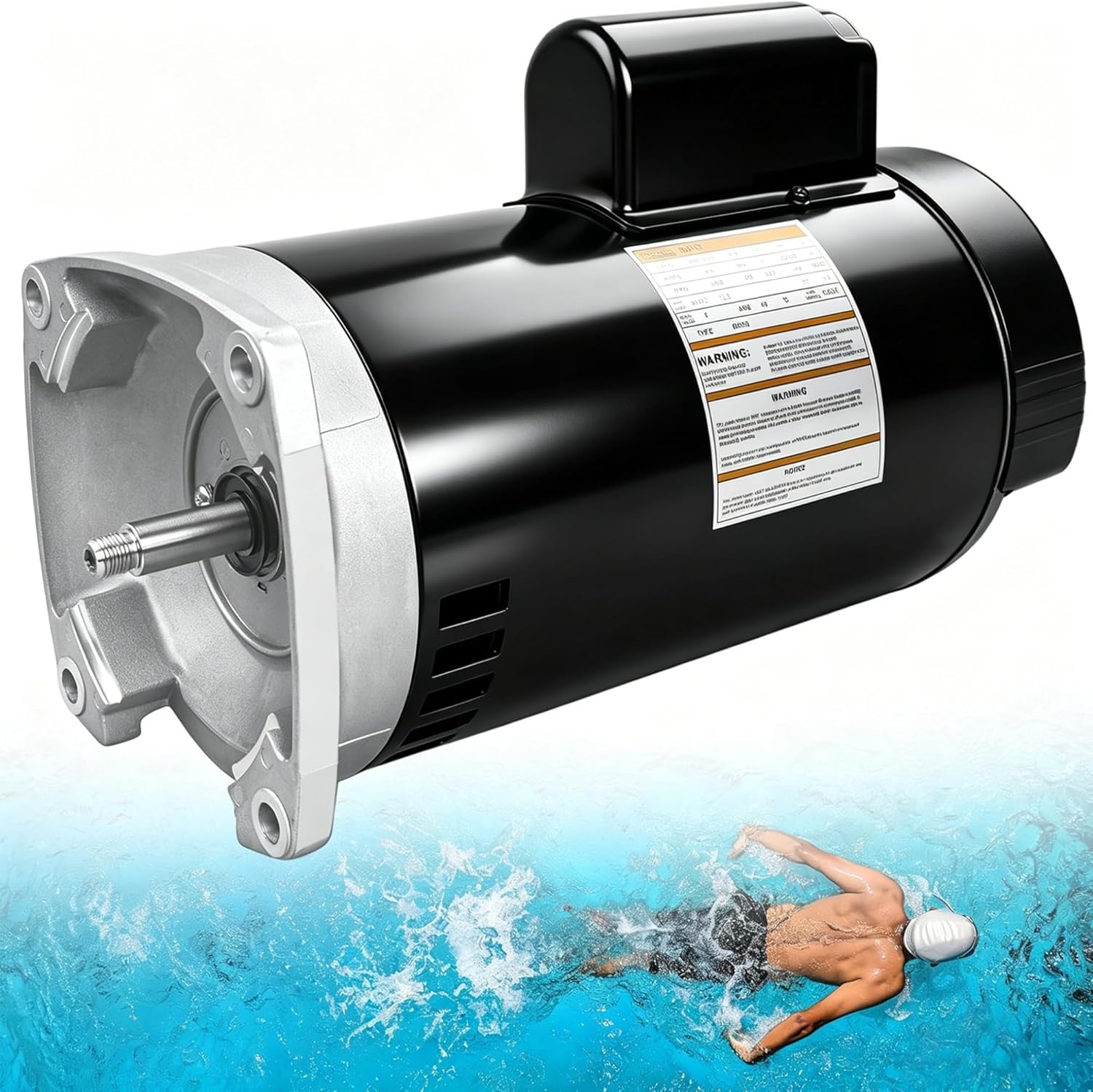
A swimming pool depends on several essential components to stay clean, safe, and enjoyable, but few are as important as the pool pump. Acting as the heart of the circulation system, the pump moves water through filters and treatment equipment, helping maintain proper water quality. When a pump begins to fail, pool owners often notice declining performance, rising energy costs, and increased maintenance needs. Working with a professional pool pump replacement company such as Valley Pools helps restore efficiency and protects the overall health of the pool system.
Many property owners overlook early warning signs of pump failure. Delaying replacement can place unnecessary strain on filtration equipment and lead to higher operating expenses. Understanding when replacement is necessary and choosing the right professionals can make a significant difference in long-term pool performance.
Why Pool Pumps Play a Critical Role in Pool Health
A pool pump continuously circulates water throughout the pool system. This circulation allows the filtration system to remove debris, distribute chemicals evenly, and prevent stagnant water conditions that encourage algae growth.
Without proper circulation, pool water can quickly become cloudy and difficult to maintain. A well-functioning pump supports:
- Consistent water filtration
- Balanced chemical distribution
- Reduced algae development
- Improved water clarity
- Enhanced swimmer safety
- Better equipment performance
When a pump begins losing efficiency, every part of the pool system can be affected.
Signs It May Be Time for Pool Pump Replacement
Pool pumps typically provide years of reliable operation, but like any mechanical equipment, they eventually wear out. Recognizing the signs of failure early can help prevent more costly repairs.
Unusual Noises
Grinding, screeching, or rattling sounds often indicate worn bearings or internal motor problems. While some repairs may be possible, severe mechanical wear frequently signals the need for replacement.
Reduced Water Circulation
Weak water flow from return jets can indicate a failing pump. Poor circulation affects filtration performance and makes maintaining water chemistry more difficult.
Frequent Breakdowns
If repairs are becoming increasingly common, replacement may offer a more cost-effective solution than repeatedly fixing aging equipment.
Higher Energy Bills
Older pumps often consume more electricity than modern energy-efficient models. Increased utility costs can indicate declining pump performance.
Visible Leaks
Cracks, damaged seals, or leaking connections can compromise system efficiency and potentially damage nearby equipment.
Benefits of Hiring a Professional Pool Pump Replacement Company
Replacing a pool pump involves more than simply swapping equipment. Proper sizing, installation, and system compatibility all influence performance. A qualified pool pump replacement company helps ensure the entire process is completed correctly.
Accurate Equipment Selection
Not all pumps are suitable for every pool. Professionals evaluate factors such as:
- Pool size
- Plumbing configuration
- Filtration requirements
- Energy efficiency goals
- Existing equipment compatibility
Selecting the correct pump helps maximize circulation while minimizing energy consumption.
Professional Installation
Improper installation can lead to leaks, electrical issues, and reduced system performance. Experienced technicians follow industry standards to ensure safe and reliable operation.
Improved Energy Efficiency
Modern variable-speed pumps often consume significantly less electricity than older single-speed models. Professional guidance helps pool owners select equipment that balances performance with long-term savings.
System Optimization
Replacement provides an opportunity to evaluate the overall circulation system. Professionals can identify additional improvements that enhance filtration efficiency and water quality.
The Advantages of Modern Pool Pump Technology
Pool equipment technology has advanced considerably over the past decade. Today’s pumps offer features that improve convenience, efficiency, and performance.
Variable-Speed Operation
Variable-speed pumps allow customized flow rates based on pool needs. Lower speeds can be used during routine filtration, while higher speeds support cleaning or water features.
Benefits include:
- Reduced energy consumption
- Quieter operation
- Longer equipment lifespan
- Better circulation control
- Lower operating costs
Enhanced Durability
Modern pump designs often feature corrosion-resistant materials that withstand demanding outdoor environments.
Smart Automation Integration
Many new pumps integrate with automated pool management systems, allowing users to monitor and adjust settings remotely.
How Proper Pump Replacement Protects Other Pool Equipment
A failing pump affects more than circulation alone. Inadequate water movement places additional stress on connected components throughout the pool system.
Filters
Insufficient flow can reduce filtration efficiency, leading to clogged filters and more frequent maintenance.
Heaters
Pool heaters rely on proper water circulation to operate effectively. Poor flow can reduce heating performance and contribute to equipment wear.
Sanitization Systems
Saltwater chlorinators and other treatment systems depend on consistent water movement to distribute sanitizers evenly.
Plumbing Components
Pressure imbalances caused by malfunctioning pumps can contribute to plumbing stress and potential leaks.
Investing in timely replacement helps protect these critical systems and supports overall pool longevity.
Choosing the Right Pool Pump Replacement Partner
Selecting a trusted service provider is just as important as selecting the pump itself. A reliable company brings expertise, technical knowledge, and a commitment to long-term customer satisfaction.
When evaluating potential providers, consider:
- Industry experience
- Knowledge of modern pump technologies
- Professional installation practices
- Equipment recommendations tailored to pool needs
- Transparent communication
- Ongoing maintenance support
Experienced professionals understand the unique challenges associated with residential and commercial pool systems and can recommend practical solutions based on specific operating requirements.
Maintenance Tips After Pool Pump Replacement
Even the best equipment benefits from regular maintenance. Following simple maintenance practices helps maximize the lifespan of a newly installed pump.
Keep the Pump Area Clean
Remove leaves, dirt, and debris from around the equipment pad to promote proper airflow and reduce contamination risks.
Monitor Water Levels
Low water levels can introduce air into the system and place unnecessary strain on the pump.
Clean Pump Baskets Regularly
Routine basket cleaning helps maintain optimal water flow and reduces stress on the motor.
Schedule Routine Inspections
Periodic inspections allow technicians to identify potential concerns before they become major problems.
Monitor Performance
Pay attention to changes in circulation, noise levels, or energy consumption that may indicate developing issues.
Consistent maintenance supports reliable operation and protects the investment in replacement equipment.
Why Timely Replacement Saves Money
Some pool owners postpone pump replacement to avoid upfront costs. However, delaying replacement often leads to higher expenses over time.
Benefits of proactive replacement include:
- Reduced repair costs
- Lower energy bills
- Improved water quality
- Extended equipment lifespan
- Better overall system efficiency
- Fewer unexpected breakdowns
Replacing an aging pump before complete failure can prevent secondary damage to other pool components and help avoid costly emergency repairs.
Conclusion
A properly functioning pool pump is one of the most important components of a healthy and efficient swimming pool system. From supporting water circulation and filtration to helping distribute chemicals evenly throughout the pool, the pump plays a vital role in maintaining water quality and protecting other essential equipment. When signs of wear, reduced performance, or rising energy costs begin to appear, working with a professional pool pump replacement company can help prevent larger problems and ensure the pool continues operating at peak efficiency.
Modern pool pumps offer substantial advantages over older models, including improved energy savings, quieter operation, enhanced durability, and advanced automation capabilities. Selecting the right pump and ensuring proper installation can significantly reduce maintenance requirements while extending the lifespan of the entire pool system. Companies such as Valley Pools understand the importance of matching the right equipment to a pool’s unique requirements, helping property owners achieve optimal performance and long-term reliability.
Investing in timely pump replacement is not simply about fixing a piece of equipment it is about protecting the overall health, safety, and value of the pool. By choosing experienced professionals and high-quality replacement solutions, pool owners can enjoy crystal-clear water, lower operating expenses, and dependable performance for many years, making pool ownership more convenient and cost-effective in the long run.