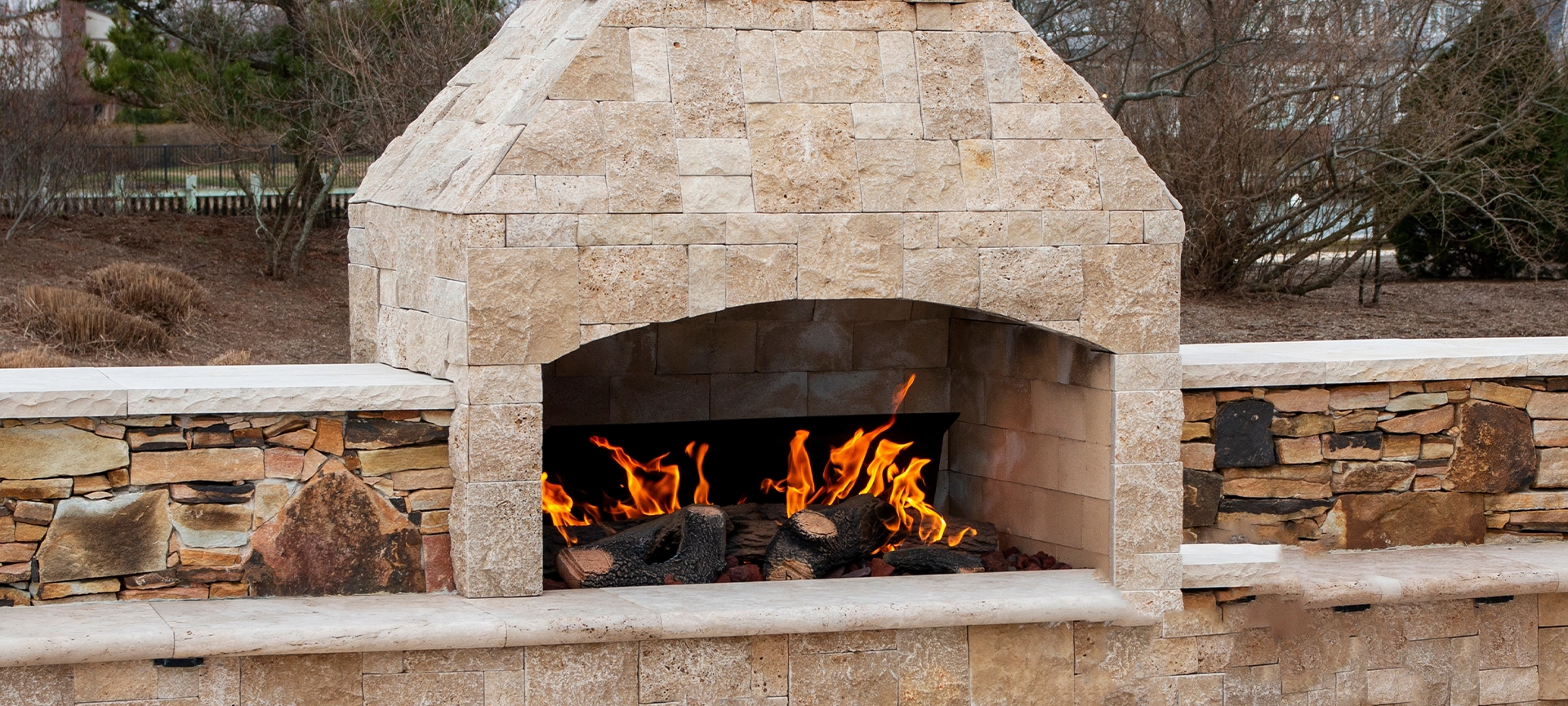
A backyard fireplace can look solid from ten feet away and still fail where it matters most. Good outdoor fireplace construction is not about stacking blocks into a pretty shape; it is about controlling weight, heat, draft, moisture, and movement before the first fire is ever lit. That is where many American homeowners get surprised, because the patio version still behaves like a masonry system, not a weekend craft project.
The safest projects start with a real plan, a code check, and honest respect for fire. Local rules vary across the USA, but the International Residential Code gives common guidance for masonry fireplaces, including concrete or solid masonry footings at least 12 inches thick and extending at least 6 inches beyond the supported wall on all sides. If you are building content around home improvement, outdoor living, or contractor visibility, a strong home project authority signal matters because readers need more than pretty photos; they need work that stands up after the first storm.
A permanent fireplace should feel calm, heavy, and deliberate. The block sets the shape, the mortar locks the work together, and the firebox controls the heat. Miss any one of those, and the whole project becomes expensive decoration.
Outdoor Fireplace Construction Starts Below Ground
The part nobody brags about usually decides whether the fireplace survives. A weak base can turn a neat block fireplace into a leaning, cracked, smoke-spilling problem within one freeze-thaw season. In colder states like Ohio, Pennsylvania, Michigan, and New York, the ground moves enough to punish shortcuts fast.
Why the Footing Carries More Than Weight
A fireplace footing does more than hold the mass of the blocks. It spreads the load, resists settling, and keeps the structure from twisting when soil expands, shrinks, or gets soaked after heavy rain. That matters because block and mortar are strong in compression but unforgiving when the base shifts unevenly.
A common mistake is treating a patio slab as the foundation. Some slabs can support light features, but many backyard slabs were poured for foot traffic, furniture, and grills, not a heavy masonry chimney. Once the firebox, chimney, veneer, cap, and hearth are added, the load can become much heavier than the slab was meant to carry.
A better approach starts with excavation to firm soil, proper depth for the climate, compacted base material, and a reinforced concrete footing sized for the fireplace. The IRC language on masonry fireplace footings is a good starting point, but local inspectors may require more based on frost depth, soil, seismic zones, or wind exposure.
The counterintuitive truth is simple: the prettier the finished fireplace looks, the less forgiving the foundation becomes. Stone veneer, tall chimneys, and wide hearths add beauty, but they also add leverage and weight. The base has to be designed for the final build, not the first row of block.
Drainage Should Be Planned Before the First Course
Water is the quiet enemy of outdoor masonry. Fire gets all the attention, but water causes the slow damage: mortar joints soften, freeze-thaw cracks open, efflorescence stains the face, and the firebox starts smelling damp even when it has not rained for days.
A smart base directs water away from the fireplace instead of trapping it beneath the block. The pad should sit high enough to avoid ponding, and the surrounding patio should slope away from the structure. On a real job in a wet climate like western Oregon or Tennessee, that small slope can decide whether the fireplace ages cleanly or starts shedding joints.
Drainage also affects the hearth. A flat hearth looks tidy in photos, but it can collect rainwater if the surface has no pitch. Even a slight slope away from the firebox helps water escape before it gets pulled into joints and hairline openings.
Builders sometimes focus on firebrick and forget the ground around the unit. That is backward. A dry base protects the structure every day of the year, while the firebox only works when you burn wood. Long-term durability begins when the fireplace is cold, dark, and sitting through a storm.
Choosing the Right Block and Mortar for Heat
Once the base is right, the material choices start doing the heavy work. Block shapes the frame, but not every block belongs inside the hottest zones. Mortar binds the structure, but not every mortar can handle heat, weather, and small movement without breaking down.
Where Concrete Block Belongs in the Build
Concrete masonry units work well for the outer shell, side walls, support zones, and chimney structure when the design follows code and good masonry practice. They give the fireplace mass and shape without forcing every piece to be hand-laid stone. That is why many contractors use block as the structural body and then finish the outside with stone, stucco, brick, or tile.
The firebox is different. The area that directly sees flame and high heat should be lined with firebrick or another approved refractory material. Regular concrete block can crack or degrade when exposed to repeated high firebox temperatures. It may look tough, but fire does not care how tough a material looks.
A practical setup separates structure from heat exposure. The block frame carries the form, while the firebrick liner handles the burn area. This separation gives the fireplace a better chance of aging well because each material does the job it was made to do.
Many DIY builds fail because the owner assumes “masonry” means everything behaves the same. It does not. A concrete block, a clay firebrick, a flue liner, and a cast cap all respond to heat and moisture in different ways. Good building respects those differences instead of hiding them behind veneer.
Mortar Joints Are Small Until They Fail
Mortar looks like filler, but it is one of the most important parts of the fireplace. Thick, sloppy joints create weak spots. Dry joints fail to bond. Mortar that cures too fast can crack before the structure ever sees a fire.
For the outer block work, mortar must match the masonry unit and local conditions. For firebrick, use refractory mortar rated for high heat. That difference matters because standard masonry mortar and refractory mortar are not interchangeable in the firebox.
The rhythm of the work matters as much as the material. Spread only enough mortar for the blocks you can place before it skins over. Keep joints consistent. Tool the joints cleanly so water has fewer places to sit. A rushed wall tells on itself later through cracking, staining, and loose face material.
Here is the part homeowners often miss: better mortar does not save bad layout. If the courses are uneven, corners are out of square, or the chimney opening is poorly shaped, stronger mortar only locks in the mistake. Build slowly enough that each course gives the next one a fair chance.
Block and Mortar Details That Control Smoke, Heat, and Draft
A fireplace that looks finished but smokes into the seating area is not finished. Draft depends on opening size, firebox depth, throat shape, flue size, chimney height, and wind patterns around the yard. The masonry has to guide air as carefully as it supports weight.
Firebox Shape Decides How the Fireplace Behaves
A good firebox pushes heat outward and smoke upward. A poor firebox lets smoke roll forward, stain the face, and annoy everyone sitting nearby. The difference often comes down to proportions, not decoration.
The opening should match the firebox depth and flue system. If the opening is too large for the flue, smoke has trouble escaping. If the firebox is too shallow, smoke can spill out before the chimney draws it upward. A tall chimney can help draft, but height alone will not fix a badly shaped firebox.
Outdoor fireplaces face one problem indoor fireplaces usually do not: wind. A patio in Arizona may deal with dry gusts across open ground, while a backyard in coastal Massachusetts may get swirling air around fences and trees. The fireplace should be placed where wind does not drive smoke back into the seating zone.
The unexpected lesson is that a smaller opening can feel better than a huge one. Oversized openings look dramatic, but they often weaken draft and waste heat. A fireplace built for human comfort beats one built only for a wide photo.
Chimney and Clearance Details Are Safety Work
The chimney is not a decorative tower. It pulls smoke, carries heat, and keeps sparks moving away from people and nearby surfaces. It also has to respect clearance rules, especially where combustible materials are nearby.
The IRC calls for clearance between masonry fireplaces and combustible framing, including at least 2 inches from the front and sides and at least 4 inches from the back faces of masonry fireplaces in the cited section. That type of rule matters even outdoors, because pergolas, fences, decks, trim, roof overhangs, and patio covers can sit closer than the homeowner realizes.
Spark control deserves the same respect. The 2021 IRC includes spark arrestor guidance for masonry chimneys when an arrestor is installed, including screen material requirements and net free area rules. Local wildfire areas may be stricter, especially in parts of California, Colorado, Oregon, Washington, Arizona, and Texas.
A responsible build also checks nearby trees, furniture, vinyl fencing, outdoor curtains, and stored firewood. Clearance is not only about the fireplace itself. It is about how people will live around it after the job is done.
Finishing, Curing, and Weather Protection Make the Build Last
The last stage tempts people to rush. Once the fireplace stands upright, the urge to light a fire and post the photo gets strong. That is exactly when patience matters most, because new masonry needs time, protection, and controlled first use.
Curing Is Not Waiting for Looks Alone
Fresh mortar needs moisture balance and time to gain strength. Hot sun, dry wind, or freezing nights can interfere with curing and leave joints weaker than they appear. A fireplace can look finished while the mortar is still vulnerable.
Covering fresh work from rain helps, but sealing it too tightly can trap moisture. The goal is protection, not suffocation. In warm regions like Georgia or Florida, shade and controlled moisture may matter more. In northern states, avoiding freeze exposure during early cure is the bigger concern.
First fires should be small and patient. A roaring fire in a new fireplace can drive off moisture too fast and stress the firebox. Start with short, modest burns, then let the masonry cool fully. That slow introduction helps the fireplace settle into real use without shock.
A homeowner may see curing as a delay, but a mason sees it as part of the construction. The fireplace is not done when the last joint is tooled. It is done when the materials have had enough time to become one working structure.
Weatherproofing Should Protect Without Trapping Moisture
Outdoor masonry needs a defense plan. A properly sloped cap, clean flashing where applicable, and a breathable masonry sealer can reduce water entry while allowing trapped moisture to escape. Dense, non-breathable coatings can cause trouble because they may hold water inside the wall.
The chimney cap and crown deserve close attention. A cracked cap sends water down into the chimney system, where it can damage liners, stain the firebox, and loosen joints. Overhang, slope, and drip edges all help move water away from vulnerable surfaces.
Finishes should match the climate. Stucco may need control joints and proper lath details. Stone veneer needs correct bonding and drainage paths. Brick needs clean joints and compatible mortar. No finish should be used as makeup for a weak structure underneath.
Maintenance closes the loop. Check joints every season, clean ash after use, keep leaves out of the firebox, and inspect for cracks before heavy burn periods. A well-built outdoor fireplace does not demand constant attention, but it does reward homeowners who notice small problems before they become repairs.
Conclusion
A backyard fireplace should feel like it belongs to the house, not like a heavy object dropped onto the patio. That only happens when the hidden work gets the same respect as the visible finish. The footing, drainage, firebox, chimney, mortar joints, clearances, and cap all work together, and none of them cares how much the stone veneer cost.
The best outdoor fireplace construction is slow at the start and calm at the end. It asks you to measure twice, check local rules, choose heat-rated materials where heat is real, and let the masonry cure before demanding performance from it. That kind of patience may not feel exciting, but it is what keeps the fireplace solid after rain, frost, wind, and years of weekend fires.
Before you build, draw the full plan, call your local building department, and have a qualified mason or inspector review anything that affects fire safety. Build the fireplace once, build it with discipline, and let every future fire prove the work was worth doing right.
Frequently Asked Questions
How deep should an outdoor fireplace footing be in the USA?
Footing depth depends on local frost depth, soil, fireplace size, and code rules. Many masonry fireplace footings must be thick, wide, and placed on stable soil, but cold-weather states often require deeper excavation. Your local building department gives the final requirement for your address.
Can you build an outdoor fireplace with regular concrete blocks?
Regular concrete blocks can form the outer structure, but they should not line the direct fire area. The firebox needs firebrick or another approved refractory material. Heat-rated materials protect the structure from cracking, spalling, and early failure.
What type of mortar is best for an outdoor fireplace firebox?
Refractory mortar is the right choice for firebrick joints inside the firebox because it is made for high heat. Standard masonry mortar belongs in the outer block structure when suitable for the block and exposure. Mixing those roles creates avoidable repair problems.
Does an outdoor fireplace need a chimney liner?
Many masonry fireplace designs use approved flue liners to help carry smoke and heat safely. Requirements depend on the fireplace design and local code. A liner also helps protect the chimney structure from heat stress, smoke deposits, and moisture damage.
How far should an outdoor fireplace be from a house?
Distance rules vary by city, county, HOA, fuel type, and nearby combustible materials. Many areas require safe separation from walls, fences, decks, roof overhangs, and property lines. Always confirm the setback before building because moving masonry after construction is costly.
Why does my outdoor fireplace smoke toward the patio?
Smoke usually points to a draft problem, wind exposure, oversized opening, shallow firebox, poor throat shape, or short chimney. Outdoor wind patterns can make the issue worse. Fixing it may require adjusting the opening, adding height, or changing nearby airflow conditions.
How long should mortar cure before using an outdoor fireplace?
Curing time depends on the mortar, weather, and build size, but new masonry should not be rushed into large fires. Start with small, controlled burns only after the masonry has had proper curing time. Follow the material instructions and your mason’s guidance.
Is a permit required for outdoor fireplace construction?
Many U.S. cities and counties require permits for permanent outdoor fireplaces, especially wood-burning masonry units. Permits may cover footing, setbacks, chimney height, fire safety, and inspections. Check before buying materials because code issues are much cheaper on paper than in block.