
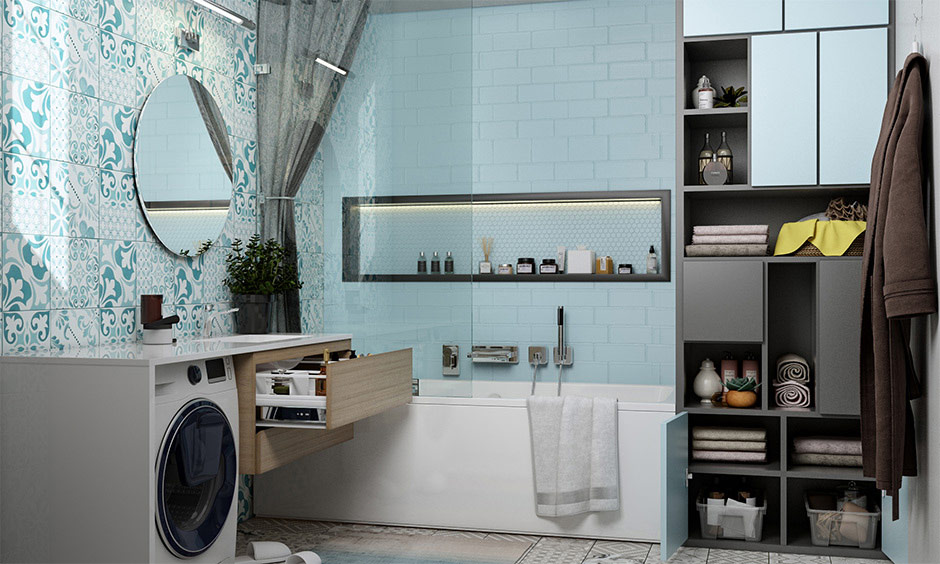
A shower wall can look finished and still fail the way you live every morning. Bottles crowd the floor, soap slides off tiny ledges, and the clean tile you paid for starts feeling like a storage problem wearing a nice outfit. A master bathroom niche solves that frustration when it is planned before tile goes up, not squeezed in after the room already has its shape. For homeowners across the USA, the best result comes from thinking like a builder and a daily user at the same time: where your hand reaches, where water runs, where grout catches residue, and where the wall framing gives you room to work. Good shower design is not about hiding products for a photo. It is about making the space behave better every day. A well-placed niche can make a small shower feel calmer, a large shower feel custom, and a remodel feel worth the money. For more home improvement guidance and practical renovation ideas, resources like smart remodeling advice can help homeowners think beyond surface finishes and focus on choices that last.
Planning a Master Bathroom Niche Before Tile Work Begins
A niche looks simple from the outside, yet it depends on what is hiding behind the wall. Studs, pipes, waterproofing, tile layout, and shower habits all matter before anyone cuts into backer board. The mistake many homeowners make is treating the niche like a decoration. It is not. It is a built-in storage decision that becomes part of the shower wall for years.
Choosing the Right Wall for Shower Niche Placement
The best wall is not always the wall you first notice. Many homeowners want the niche centered on the main back wall because it photographs well, but that wall may hold plumbing, exterior insulation, or awkward stud spacing. A side wall often gives better access, less splash, and a cleaner reach from the showerhead.
A practical example comes from a typical suburban bathroom remodel in Ohio or Texas. The homeowner wants a centered niche under a rainfall showerhead, but the contractor opens the wall and finds vent piping in the exact spot. Moving the niche twelve inches to the side keeps the wall safe and still gives easy access. That small shift saves money and prevents a forced, risky installation.
Placement should also match the person using the shower. A niche set too low becomes annoying for adults. A niche set too high turns into a reach-and-drop problem. Most showers work better when the main shelf sits around chest height, with enough clearance for tall bottles. Good planning feels boring at first. Then it quietly saves you from daily irritation.
Matching Niche Size to Real Product Storage
A niche should be measured around the items people actually use, not around a random tile opening. Shampoo pumps, conditioner bottles, body wash, razors, bars of soap, and small jars all need different space. A narrow niche may look sleek, but it becomes useless if a standard family-size bottle cannot stand upright.
One counterintuitive truth is that bigger is not always better. An oversized niche can interrupt tile lines, collect more water, and look heavy in a modest shower. A balanced design gives enough height for products while keeping the opening tied to the tile pattern. The cleanest niches often look intentional because their edges land on full tiles or planned cuts.
Homeowners should lay out their daily products on a counter before deciding size. That small test exposes the truth fast. A guest bathroom may need one compact shelf. A primary suite used by two adults may need a taller niche with a divider. Storage only works when it admits how people live.
Master Bathroom Niche Waterproofing and Wall Protection
Once the location makes sense, the next concern is protection. Tile is not waterproof by itself. Grout, corners, seams, and penetrations all need a proper system behind them. A niche creates extra inside corners, which means more places where water can sneak in if the work is rushed.
Why Waterproofing Matters More Than Tile Choice
Pretty tile cannot rescue poor waterproofing. A niche sits inside the wettest part of the bathroom, and water will test every corner over time. If the niche is built with weak seams or no membrane, moisture can move behind the wall long before the homeowner sees staining, swelling, or loose tile.
A strong shower niche uses a full waterproofing method, not patchwork hope. Contractors may use foam niche inserts, sheet membranes, liquid waterproofing, or waterproof wall boards with sealed seams. The exact system can vary, but the goal stays the same: every corner, edge, and shelf joint must shed water back into the shower.
This is where homeowners should ask direct questions. What waterproofing system will be used? How will the niche corners be sealed? Will the shelf slope slightly toward the shower? A serious installer will answer without acting offended. A vague answer is a warning, not a personality quirk.
Building Slope Into the Shelf Without Ruining the Look
A niche shelf should not sit dead flat. It needs a slight pitch toward the shower so water does not rest against the back wall. The slope is small enough that most people never notice it, but it matters every time someone showers.
Flat shelves create quiet trouble. Soap residue sits longer, grout darkens faster, and hard water spots become part of the routine. In areas with mineral-heavy water, like parts of Arizona, Nevada, or Florida, that standing moisture can make a new niche look tired within months.
The best slope comes from careful setting, not from a visible tilt that looks wrong. Stone shelves, tile shelves, and prefabricated niche bases can all work when installed with care. The detail is small, but small details carry the whole shower. Water always reveals lazy work.
Tile Layout, Style, and Daily Use Should Work Together
After the wall is protected, design choices can finally earn attention. Tile size, grout color, trim pieces, shelf material, and niche shape all affect the finished look. Style matters, but it should never fight function. A niche that looks sharp on day one and annoys you by week three is not good design.
Using Tile Lines to Make a Recessed Shower Shelf Look Built In
A recessed shower shelf looks best when it respects the tile grid around it. That means the niche edges should align with grout joints when possible. Random cuts around the opening make the niche feel like an afterthought, even if the tile itself is expensive.
Large-format tile creates both opportunity and pressure. A wide porcelain tile can give the niche a clean, calm face, but bad planning may leave thin slivers along the edges. Those slivers catch the eye. They also make the work look cheaper than it was.
A smart installer dry-fits the tile layout before locking in the niche opening. This matters in homes where the shower wall is not perfectly square, which is more common than owners expect. Older houses in New Jersey, Pennsylvania, and Massachusetts often have framing that has moved over time. Tile layout becomes the bridge between old bones and new finish.
Picking Materials That Survive Soap, Steam, and Scrubbing
Material choice should consider cleaning habits. Natural stone can look warm and expensive, but some stones need sealing and careful cleaners. Glossy ceramic wipes down easily, but it may show water spots. Matte porcelain hides smudges, yet textured surfaces can trap residue around bottles.
The shelf surface deserves special attention. A solid stone or quartz piece reduces grout lines and gives bottles a stable base. Tile shelves can work too, but they need clean edges and proper slope. Cheap metal trim may look fine at first, then feel out of place against high-end tile.
A useful rule: choose materials you are willing to clean. Not the version of yourself who loves weekend chores. The real one, tired on a Tuesday night. A bathroom should support that person, not punish them.
Installation Details That Separate Custom Work From Regret
The final result depends on execution. A niche can have the right size, good tile, and proper location, yet still fail because the installer rushed the details. Corners, trim, cuts, grout, and sealant determine whether the finished wall feels custom or careless.
Working Around Studs, Pipes, and Exterior Walls
Wall framing often decides what is possible. Interior shower walls usually offer more flexibility than exterior walls, especially in colder states. Cutting into an exterior wall can reduce insulation space and create condensation concerns if handled poorly.
Plumbing walls are risky places for a niche. Supply lines, valves, and vent pipes can block the cavity. Moving plumbing adds cost, and forcing the niche around pipes can create odd proportions. A nearby non-plumbing wall is often the better choice, even if it changes the original design idea.
Experienced contractors inspect before promising. They use stud finders, small exploratory cuts, or construction plans when available. Homeowners should welcome that caution. The installer who slows down before cutting is often the one protecting your budget.
Deciding Between Prefabricated Niches and Site-Built Niches
Prefabricated niches offer speed and consistent waterproofing when they match the shower layout. They come in set sizes, which helps reduce guesswork. For many USA bathroom remodels, especially standard alcove showers, they are a reliable choice.
Site-built niches allow more custom sizing. They can fit unusual tile patterns, taller bottles, or wider shower walls. The tradeoff is that they demand stronger skill. Every seam and corner must be treated correctly, or the custom work becomes a custom problem.
Neither option is automatically better. The better choice is the one that fits the wall, the tile plan, and the installer’s skill. A prefabricated niche installed well beats a custom niche built carelessly every time. Pride has no place inside a wet wall.
Conclusion
A beautiful shower should not ask you to balance bottles on the floor or hang a rusty caddy from the showerhead. Built-in storage changes the way a bathroom feels because it removes the clutter that keeps stealing attention from the tile, glass, and fixtures. Still, the smartest homeowners treat master bathroom niche planning as construction first and decoration second. That means checking the wall cavity, protecting every seam, sizing the opening around real products, and choosing materials that can handle water without drama. The final look matters, but the hidden work matters more. Before your next remodel reaches the tile stage, walk through your shower routine and mark where storage would make life easier. Then ask your contractor how that idea will be built, sealed, sloped, and finished. Good answers lead to a niche that feels natural for years. Weak answers belong outside your bathroom.
Frequently Asked Questions
What is the best height for a shower niche in a master bathroom?
Most master showers work well with the main shelf around chest height, often near 48 to 60 inches from the shower floor. The right height depends on user comfort, bottle size, showerhead location, and whether children or taller adults use the space daily.
Should a shower niche go on the same wall as the showerhead?
A shower niche can go on the showerhead wall, but it is often better on a side wall. Side placement usually reduces direct spray, keeps products easier to reach, and may avoid plumbing lines hidden inside the main wet wall.
How deep should a recessed shower shelf be?
A recessed shelf usually works best at about 3.5 inches deep, matching standard wall stud depth. That gives enough room for common bottles without weakening the wall. Deeper niches may need special framing, especially when the wall backs another room or exterior space.
Is a prefabricated shower niche better than a custom-built niche?
A prefabricated niche is better when speed, consistency, and waterproofing simplicity matter. A custom-built niche is better for unusual tile layouts or specific storage needs. The installer’s skill matters more than the niche type, because poor waterproofing can ruin either option.
What tile is easiest to clean inside a shower niche?
Smooth porcelain or glazed ceramic tile is usually easiest to clean because it resists moisture and wipes down well. Large pieces with fewer grout lines make upkeep easier. Textured tile, porous stone, and tiny mosaics can trap soap residue inside the niche.
Does a shower niche need to slope?
Yes, the bottom shelf should slope slightly toward the shower floor. The slope helps water drain instead of sitting against the back wall. It should be subtle enough to look level to the eye, but clear enough to prevent standing water.
Can you add a shower niche after tile is installed?
Adding one after tile is installed is possible, but it can be messy, costly, and risky. The contractor must cut tile, inspect the wall cavity, rebuild waterproofing, and match existing finishes. Planning before tile work produces cleaner results and fewer surprises.
How many shelves should a master shower niche have?
One shelf works for simple storage, while two shelves suit couples or homeowners with larger product routines. The best choice depends on bottle height and daily use. A divider should never make the openings too short for standard shampoo and body wash containers.