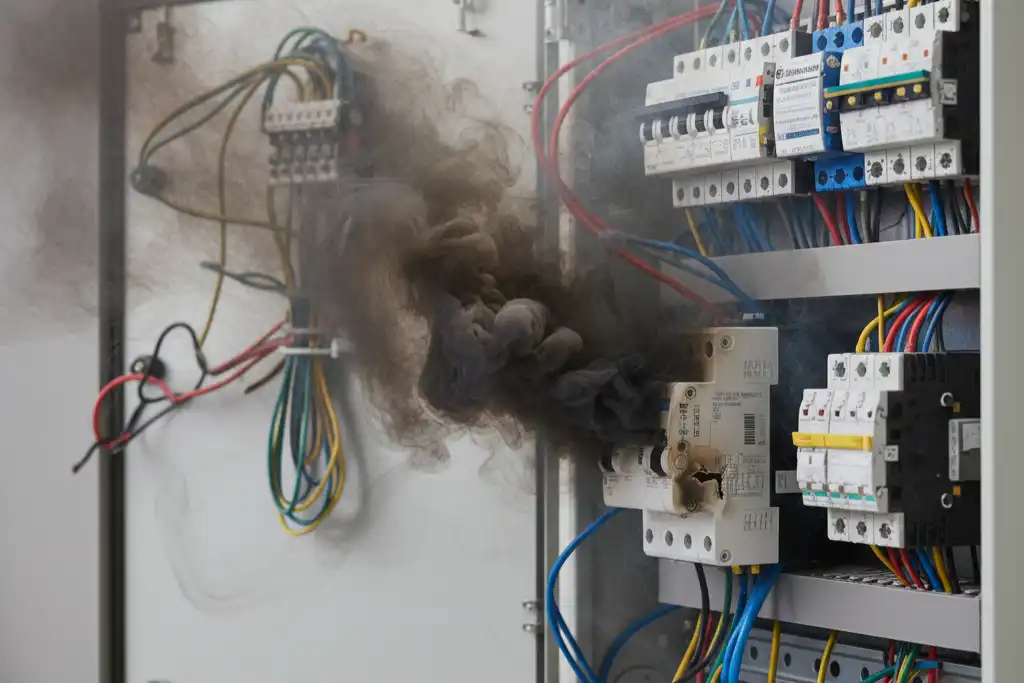
A circuit breaker that keeps tripping is more than just an inconvenience—it is your home’s way of warning you that something is wrong. Breakers are designed as safety devices that automatically shut off electricity when they detect a problem such as overload, short circuit, or wiring fault. While an occasional trip is normal, repeated tripping should never be ignored.
Understanding what causes this issue can help you identify whether it’s a simple load problem or a sign of a deeper electrical fault that requires professional attention.
What a Circuit Breaker Actually Does
A circuit breaker is a protective switch inside your electrical panel. Its main job is to stop the flow of electricity when a circuit becomes unsafe. This prevents overheating, electrical fires, and damage to appliances.
When everything is working correctly, breakers only trip in response to specific electrical issues. If yours is tripping frequently, it means the system is detecting something abnormal that needs to be addressed.
Overloaded Circuits
One of the most common reasons a breaker trips is an overloaded circuit. This happens when too many devices or appliances are running on the same circuit at the same time.
For example, plugging in a space heater, microwave, and toaster on the same line can exceed the circuit’s capacity. When that happens, the breaker shuts off power to prevent overheating.
Older homes are especially vulnerable to this issue because their electrical systems were not designed for modern energy usage.
Short Circuits
A short circuit occurs when a “hot” wire comes into contact with a neutral wire or ground wire. This creates a sudden surge of electricity that the breaker immediately shuts down to prevent damage or fire.
Short circuits are often caused by damaged wiring, faulty appliances, or loose connections inside outlets or switches. Unlike overloads, short circuits usually cause the breaker to trip instantly.
This is one of the more serious electrical problems and should be inspected as soon as possible.
Ground Faults
A ground fault happens when electricity unintentionally flows into a grounded surface, such as a metal electrical box or moist area. This is especially common in kitchens, bathrooms, and outdoor spaces.
Ground faults can be dangerous because they increase the risk of electric shock. That’s why ground fault circuit interrupters (GFCIs) are required in areas where water is present.
If your breaker trips when using appliances near water, a ground fault may be the cause.
Faulty Appliances
Sometimes the problem is not in the wiring but in the appliances themselves. Damaged cords, internal wiring issues, or malfunctioning motors can all cause breakers to trip.
If a breaker trips every time you plug in or use a specific device, that appliance is likely the source of the issue. Unplugging it and testing other devices can help confirm the problem.
Continuing to use faulty appliances increases both electrical and fire risks.
Aging or Damaged Wiring
Old or deteriorating wiring is another major cause of breaker issues. Over time, wires can become brittle, insulation can break down, and connections can loosen.
This is especially common in homes with outdated systems that may not meet modern safety standards. Damaged wiring can create intermittent faults that cause breakers to trip repeatedly without a clear pattern.
In such cases, a full inspection of the electrical system is usually required.
Homeowners often rely on professional residential wiring services when diagnosing and upgrading aging electrical systems to ensure long-term safety.
Loose Electrical Connections
Loose connections inside outlets, switches, or the electrical panel can also cause breakers to trip. When wires are not securely fastened, they can create resistance, heat, and intermittent power flow.
This issue is often hidden and may not be obvious without professional inspection. Over time, loose connections can lead to arcing, which increases fire risk.
Electrical Panel Issues
In some cases, the problem may lie within the breaker panel itself. Aging or faulty breakers may trip too easily or fail to reset properly.
If multiple breakers are tripping without a clear reason, or if the panel feels warm or makes buzzing sounds, it may be time for an upgrade or repair.
An outdated panel may not distribute power efficiently, especially in homes with high electricity usage.
Moisture and Environmental Factors
Moisture is another hidden cause of breaker trips. Water entering outlets, outdoor wiring, or electrical boxes can lead to short circuits or ground faults.
Homes in humid environments or with poor waterproofing are more vulnerable to this issue. Even small leaks can affect wiring over time and cause repeated electrical interruptions.
When to Call a Professional
If your breaker trips occasionally, it may be due to normal overload. However, frequent or unpredictable tripping is a sign of a deeper problem.
You should contact a licensed electrician if you notice:
- Breakers tripping repeatedly without a clear cause
- Burning smells near outlets or the panel
- Buzzing sounds from the breaker box
- Lights flickering throughout the home
These symptoms often indicate wiring or system issues that require expert diagnosis.
Many homeowners trust a qualified residential electrician minnetonka when dealing with persistent breaker problems and electrical system troubleshooting.
A circuit breaker that keeps tripping is not something to ignore. It is a built-in safety feature designed to protect your home from electrical hazards. While some causes are simple, such as overloaded circuits, others can indicate serious issues like faulty wiring or damaged appliances.
Understanding the root cause helps you respond appropriately and avoid potential risks. Regular maintenance, safe usage habits, and professional inspections all play an important role in keeping your electrical system safe and reliable.
If breaker issues continue, it is always best to consult a licensed electrician before the problem becomes more serious.