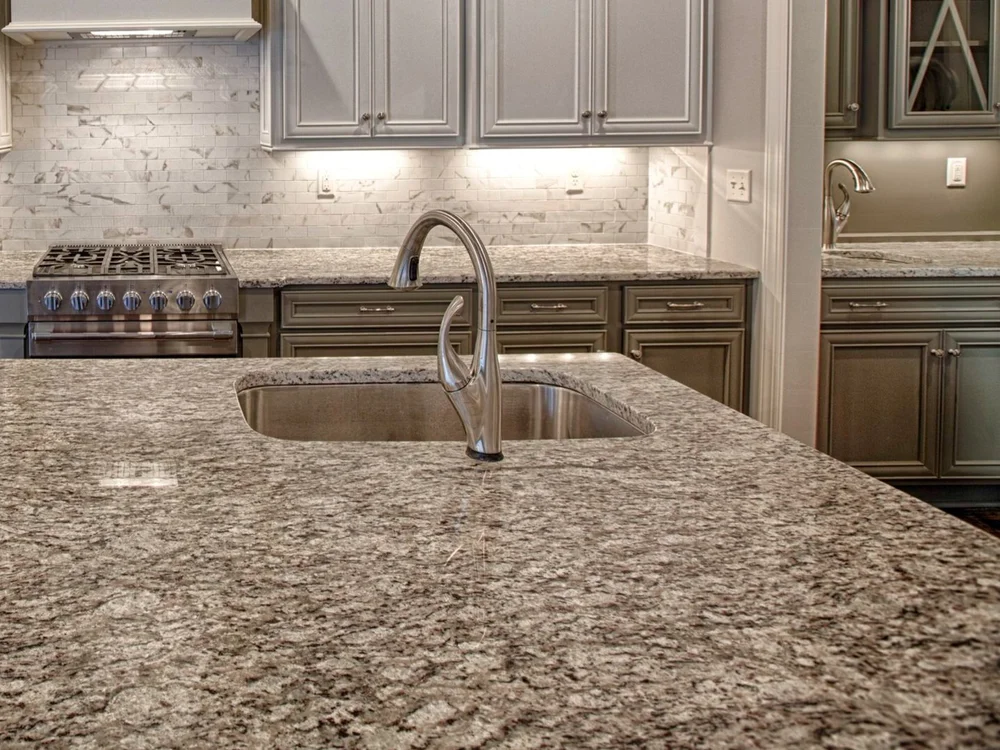
HanStone Quartz is redefining how homeowners, designers, and builders approach modern surface design. As a leading engineered stone surface, HanStone Quartz delivers a balance of durability, aesthetic versatility, and low maintenance that makes it one of the most in-demand materials in residential and commercial projects today. Manufactured by Hyundai L&C, this premium surface line has become a benchmark for innovation in quartz countertops and interior surfacing solutions.
In this guest post, we’ll explore why HanStone Quartz continues to stand out in a competitive materials market, how it supports design flexibility, and what makes it a long-term investment for modern spaces.
The Rise of HanStone Quartz in Modern Design
Over the past decade, quartz surfaces have overtaken many traditional materials like granite and marble in popularity. The reason is simple: homeowners want beauty without constant maintenance.
HanStone Quartz fits perfectly into this shift. It offers the natural elegance of stone while eliminating many of the drawbacks associated with porous materials.
Key reasons behind its growing demand include:
- Non-porous surface that resists stains and bacteria
- Wide variety of colors and patterns
- Strong resistance to scratches and heat
- Consistent design patterns across slabs
- Long-term durability for high-traffic areas
Unlike natural stone, engineered quartz like HanStone Quartz provides predictable performance, making it easier for designers and fabricators to plan installations without unexpected flaws or variations.
What Makes HanStone Quartz Different?
Not all quartz surfaces are created equal. HanStone Quartz stands out due to its manufacturing precision and design philosophy.
Engineered for Consistency and Strength
Each slab of HanStone Quartz is crafted using a blend of natural quartz crystals and advanced binding resins. This results in a surface that is:
- Extremely dense and durable
- Resistant to cracking under pressure
- Uniform in appearance and texture
- Easier to fabricate and install
This consistency is especially important for large kitchen islands, commercial counters, and multi-surface design projects.
Designed with Real Living in Mind
HanStone Quartz is not just about appearance—it’s about functionality. In busy homes and commercial environments, surfaces need to withstand constant use without losing their visual appeal.
This material is ideal for:
- Kitchen countertops
- Bathroom vanities
- Backsplashes
- Office reception areas
- Retail and hospitality interiors
Its adaptability allows it to fit seamlessly into both minimalist and luxury design concepts.
HanStone Quartz in Kitchen Design
The kitchen is where HanStone Quartz truly shines. As one of the most used surfaces in any home, countertops must handle heat, spills, sharp utensils, and constant cleaning.
Why Homeowners Prefer HanStone Quartz Countertops
Here’s why designers frequently recommend HanStone Quartz for kitchens:
- Stain resistance: Coffee, wine, and oils are easy to wipe away
- Hygienic surface: Non-porous structure reduces bacterial growth
- Low maintenance: No sealing or polishing required
- Design flexibility: Matches modern, rustic, and luxury kitchens
- Long lifespan: Maintains appearance for years with minimal wear
Unlike granite, which requires periodic sealing, HanStone Quartz simplifies upkeep while maintaining a high-end appearance.
Design Versatility and Aesthetic Appeal
One of the strongest advantages of HanStone Quartz is its design flexibility. Whether the goal is a sleek modern kitchen or a warm traditional space, there is a design option that fits.
Popular Design Styles Include:
- Marble-inspired veining for luxury interiors
- Solid neutral tones for minimalist spaces
- Bold, dramatic patterns for statement kitchens
- Soft natural textures for organic design themes
This versatility allows architects and interior designers to maintain creative freedom without sacrificing material performance.
Sustainability and Responsible Manufacturing
Today’s homeowners are increasingly conscious of environmental impact. HanStone Quartz responds to this demand through more responsible manufacturing practices.
Key sustainability considerations include:
- Efficient use of raw materials
- Long-lasting product lifespan reduces replacement waste
- Manufacturing processes designed to reduce environmental footprint
- Durable surfaces that minimize the need for chemical maintenance products
By choosing HanStone Quartz, consumers are investing in a surface designed for long-term use rather than short-term replacement cycles.
Installation and Maintenance Benefits
Another reason HanStone Quartz is widely used is its practicality during installation and maintenance.
Easy Fabrication and Installation
Fabricators often prefer HanStone Quartz because:
- It cuts cleanly with precision tools
- It maintains structural integrity during handling
- It allows for seamless edge profiling
- It reduces installation errors due to consistency
Simple Everyday Maintenance
Once installed, upkeep is straightforward:
- Clean with mild soap and water
- Avoid harsh chemical cleaners
- Wipe spills promptly for best appearance
- No sealing or resurfacing required
This makes it ideal for busy households and commercial spaces that require both durability and convenience.
HanStone Quartz vs. Other Surface Materials
Understanding how HanStone Quartz compares to other materials helps highlight its value.
Compared to Granite
- Quartz is non-porous; granite is porous
- Quartz requires less maintenance
- Granite needs sealing; quartz does not
Compared to Marble
- Quartz resists staining better
- Marble scratches and etches more easily
- Quartz offers more consistent design patterns
Compared to Laminate
- Quartz is significantly more durable
- Higher resistance to heat and impact
- Longer lifespan and better resale value
This comparison shows why engineered quartz continues to grow in popularity across both residential and commercial markets.
Commercial Applications of HanStone Quartz
While kitchens are a primary use case, HanStone Quartz is also widely used in commercial environments due to its durability and professional appearance.
Common applications include:
- Hotel reception desks
- Restaurant countertops and bars
- Corporate office interiors
- Retail display counters
- Healthcare facility surfaces
Its ability to maintain a polished look under heavy use makes it a preferred material for high-traffic spaces.
Choosing the Right HanStone Quartz Design
Selecting the right surface involves balancing aesthetics and functionality. Here are a few tips:
1. Consider Lighting Conditions
Lighter tones work well in smaller or darker spaces, while darker surfaces add depth to large open areas.
2. Match with Cabinetry and Flooring
Create contrast or harmony depending on your design goal.
3. Think Long-Term
Choose timeless patterns rather than overly trendy designs for lasting appeal.
4. Evaluate Usage Level
High-traffic kitchens benefit from mid-tone patterns that hide minor wear better.
Why HanStone Quartz Remains a Top Choice
The continued popularity of HanStone Quartz comes down to a combination of performance, design, and trust. It offers a rare balance of beauty and practicality that meets the demands of modern living.
With support from Hyundai L&C, the brand continues to innovate within the engineered stone industry, providing surfaces that meet evolving architectural and interior design needs.
Final Thoughts
HanStone Quartz has become more than just a countertop material; it’s a design solution for modern lifestyles. Its durability, low maintenance requirements, and wide design range make it a smart choice for homeowners, designers, and commercial developers alike.
As interior trends continue to move toward long-lasting, functional luxury, HanStone Quartz remains at the forefront of engineered surface innovation.
Whether you are renovating a kitchen, designing a commercial space, or planning a full interior upgrade, HanStone Quartz delivers the performance and style needed for today’s demanding environments.