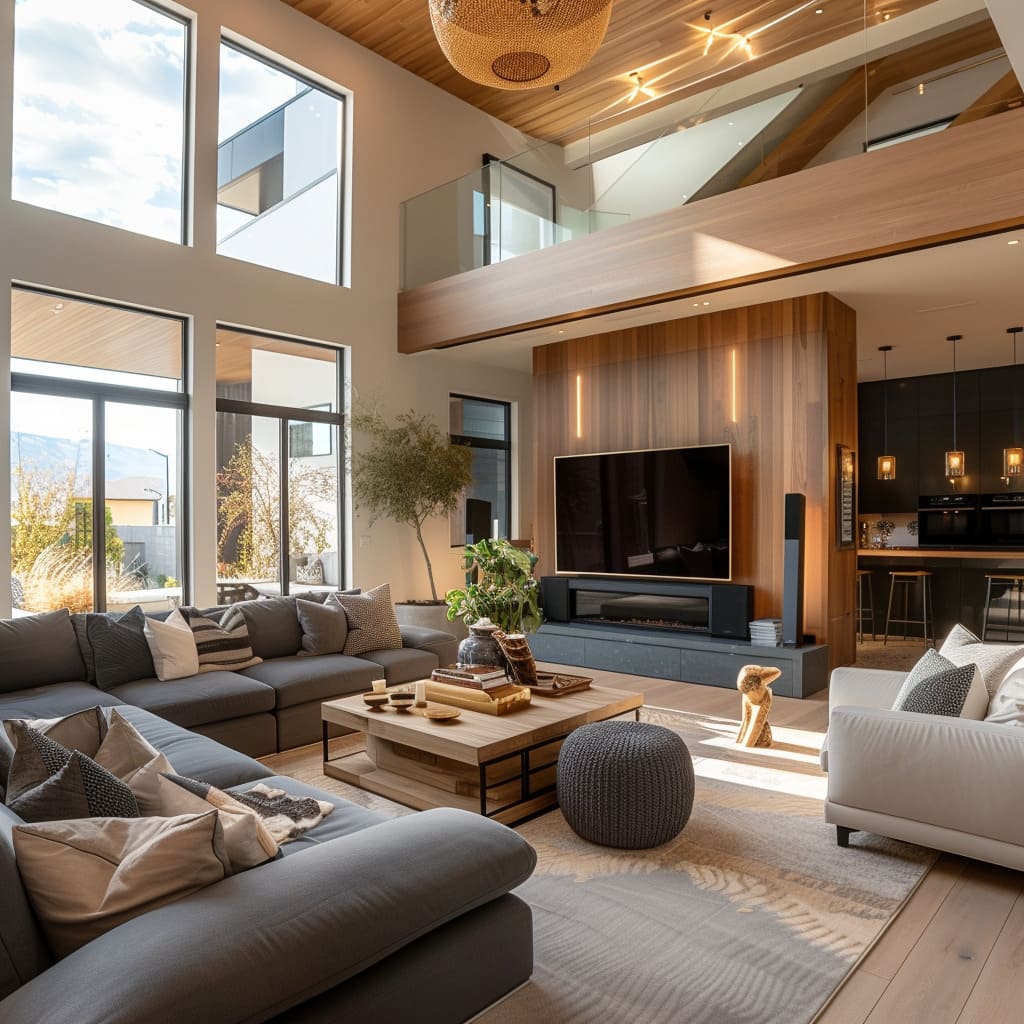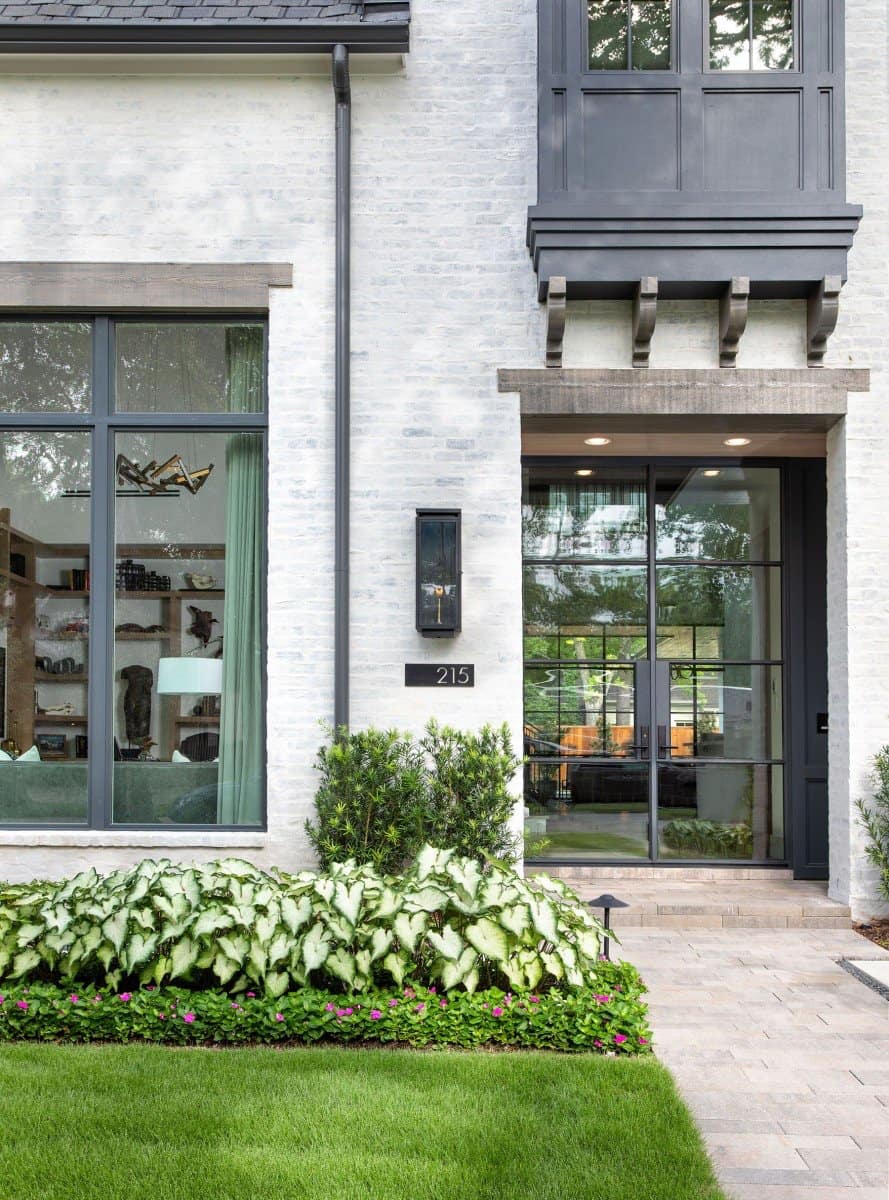

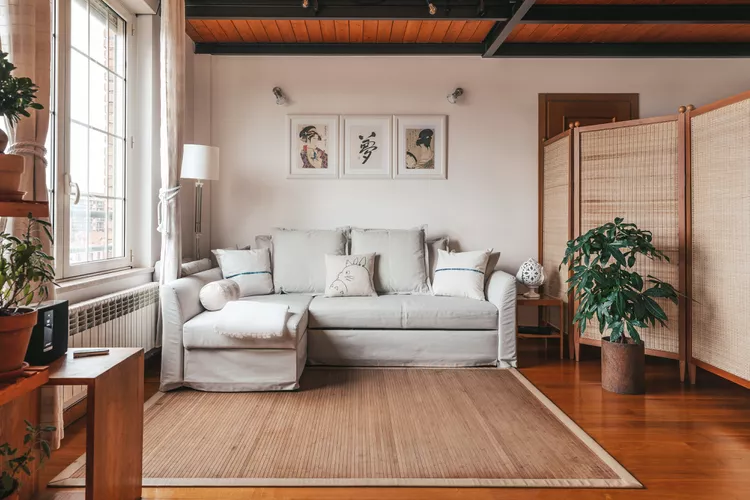
A wide-open room can feel bright, expensive, and strangely unfinished at the same time. Many American homes now need flexible space more than they need one giant room, and French door installation gives you that separation without making the floor plan feel chopped up. A pair of doors can turn a noisy family room into a part-time office, split a dining area from a living room, or give guests privacy without building a full wall. For homeowners comparing layout upgrades, home improvement planning resources can help frame the project as more than a weekend design whim. The real win is control. You keep the borrowed light, the long sightline, and the open feel, but you also gain quiet, boundary, and a sense that each area has a job. That matters in houses where one room now carries work calls, homework, streaming, pets, and dinner all before sunset.
Why Interior French Doors Work So Well in Open Floor Plans
Open layouts promised freedom, but they also removed the small barriers that made daily life easier. Interior French doors solve that problem with a lighter hand than drywall because they shape the room without closing it off completely.
Turning Open Space Into Usable Zones
A large room often fails because it asks one space to do too much. A living room beside a kitchen may look great in photos, yet it can feel chaotic when someone cooks, another person watches TV, and a child tries to finish schoolwork at the table.
Interior French doors give each zone a softer edge. You can close off a home office during a video call, then open the doors again when the workday ends. The room changes without making the house feel smaller.
That flexibility fits older homes in places like Ohio, Pennsylvania, and Massachusetts, where owners often remove walls during remodels and later regret losing privacy. The smart move is not always adding the wall back. Sometimes the better answer is a door system that behaves like architecture, not furniture.
Keeping Light While Adding Boundaries
Light is the main reason many homeowners choose glass panel doors instead of solid slab doors. They divide the room while letting daylight travel from windows into deeper parts of the house.
This matters most in townhomes, ranch houses, and narrow suburban layouts where one side of the home gets most of the natural light. A solid wall can make the middle of the house feel boxed in. Glass keeps the mood open.
The counterintuitive part is that transparent doors can make a room feel more private. A visible boundary tells people the space has changed purpose, even when they can still see through it. That small visual cue can reduce interruptions better than a half-wall or bookshelf ever will.
Planning the Opening Before You Buy Doors
The best-looking door can still feel wrong if the opening, swing path, and wall framing were guessed instead of measured. Planning is where the project either becomes clean and calm or turns into a frustrating patch job.
Measuring for Fit, Swing, and Clearance
The rough opening matters more than the door label at the store. Homeowners often buy based on the visible gap, then discover the frame needs room for shimming, leveling, casing, and small corrections in the wall.
A tape measure should tell you three things before you shop: width, height, and depth. Width and height decide the door size. Wall depth affects jamb choice. Floor clearance matters too, especially if you plan to add rugs, new flooring, or a threshold between spaces.
Room separation ideas fall apart when the doors cannot swing naturally. A pair that opens into a tight walkway will annoy you every day. In a busy American home, that usually means someone bumps a chair, blocks a hallway, or leaves one door half-open because full movement feels awkward.
Checking the Wall Before Cutting or Framing
A wall opening may look simple from the outside, but the inside can hide wiring, pipes, vents, or framing that carries load. You should know what is inside before you widen, move, or create an opening.
Existing cased openings are easier because the structure already exists. New openings need more care. A contractor may need to confirm whether the wall is load-bearing, then size the header correctly for the span. That is not a style choice. It is what keeps the house behaving like a house.
Local rules vary across the United States, so permits can matter when you change framing, electrical routing, or structural support. A simple door swap may not need much paperwork. Cutting into a wall is a different conversation.
Choosing Door Style, Glass, and Hardware That Match Real Life
Style gets the attention, but daily use decides whether you love the doors six months later. The right choice should match the room’s noise level, privacy needs, traffic pattern, and maintenance tolerance.
Picking Glass Panel Doors for Privacy and Light
Clear glass looks elegant, but it is not always the right answer. A home office, playroom, or guest area may need frosted, reeded, seeded, or tinted glass so the room feels separated even when the doors stay visually light.
Glass panel doors also change how a room handles mess. Clear panes put everything on display. That can work for a formal dining room, but it may punish a family room filled with toys, laptop cords, and folded laundry.
A smart middle ground is textured glass. It breaks up the view without killing daylight. In a split living-dining space, that can make the dining side feel special without turning it into a sealed room.
Matching Hardware to the Way the Doors Move
Hardware should feel good in the hand because you will touch it more than you notice it. Cheap knobs on heavy doors make the whole project feel thinner than it is.
Hinges need to support the weight, especially with taller or solid-core doors. Latches should meet cleanly without forcing one door upward or sideways. If the pair uses an astragal, flush bolts, or ball catches, those pieces must line up well or the doors will never feel settled.
Finish matters too, but not in the way people think. Matching every metal in the house can make a remodel feel stiff. Brushed nickel, matte black, brass, and bronze can all work if the choice connects to nearby lighting, cabinet pulls, or stair rail details.
Installing Interior French Doors Without the Common Headaches
The work looks simple after it is finished because the trim hides the struggle. Behind that clean frame are small adjustments that decide whether the doors swing, latch, and sit evenly for years.
Setting the Frame Square Before Hanging the Doors
The frame must be level, plumb, and square before the doors go in. This is where rushed jobs fail. A wall can lean slightly, the floor can dip, and the opening can be wider at the top than at the bottom.
Shims fix those small sins. They hold the jamb in the right position while screws lock it in place. The trick is supporting the hinge side well because that side carries the weight every time the doors move.
Many DIY jobs go wrong because the installer trusts the wall instead of the level. Walls lie. A good installer checks the frame against the tool, the gap, and the way the door behaves under its own weight.
Fine-Tuning Gaps, Latches, and Trim
Even gaps make doors look expensive. Uneven gaps make them look homemade, even if the doors themselves cost plenty. The reveal around each slab should feel consistent from top to bottom.
Latch alignment takes patience. One door may need a small hinge adjustment, while the other needs the strike plate moved a hair. That tiny movement matters because French pairs meet each other, not a single fixed jamb.
Trim is the final test. Casing should cover the framing without looking bulky, and caulk should clean the line without hiding sloppy cuts. Paint or stain should finish the system as one piece, not as a collection of parts bought on different weekends.
Making the Divider Feel Built Into the Home
A door pair should not look like an afterthought placed in the middle of a room. The strongest projects connect the doors to flooring, trim, lighting, and furniture layout so the divider feels planned from the start.
Using Open Plan Home Dividers Without Shrinking the Room
Open plan home dividers work best when they respect sightlines. You want separation, but you do not want the room to feel like it lost its best feature.
Furniture placement helps. A sofa can face the doors without crowding them. A console table can sit nearby and make the transition feel designed. Lighting can give each side its own mood, so the doors mark a shift in use instead of acting like a random barrier.
The unexpected move is leaving enough empty space around the doors. Homeowners often fill every edge with furniture, then wonder why the installation feels tight. Breathing room makes the divider feel intentional.
Blending Trim, Paint, and Room Separation Ideas
Room separation ideas succeed when the details agree with the rest of the house. A modern black-framed door can look sharp in a newer build, while painted white divided-lite doors may suit a colonial, Cape Cod, or craftsman-inspired home.
Trim width should relate to the surrounding baseboards and casing. Thin trim around a grand opening can look weak. Oversized trim in a modest hallway can feel loud. Scale is the quiet skill here.
Paint can either hide or highlight the doors. Matching the walls softens the opening. A contrast color turns the doors into a feature. Neither choice is wrong, but the room should tell you which one it wants.
Conclusion
Good design is not about keeping a house open at all costs. It is about giving each part of the home enough purpose to support the way people live inside it. That is why a well-planned door pair can change more than the look of a room. It can lower noise, protect focus, improve privacy, and make shared space feel less tense. French door installation works best when you treat it as a layout decision first and a style upgrade second. Measure carefully, respect the wall, choose glass with real-life privacy in mind, and give the finished opening enough room to breathe. If your open floor plan looks beautiful but lives messy, start by marking where the house needs a boundary. Then build that boundary with care, because the right divider does not close your home down. It helps the whole place work better.
Frequently Asked Questions
How much does it cost to install interior French doors?
Costs vary based on door size, glass type, framing work, hardware, and labor rates in your area. A simple replacement costs less than cutting a new opening. Structural changes, custom sizes, and premium glass can raise the total fast.
Are interior French doors good for home offices?
They work well for home offices when you want light and separation at the same time. Frosted or textured glass gives more privacy than clear panes. Solid-core doors also help reduce household noise during calls and focused work.
Can French doors be installed in an existing opening?
An existing opening is often the easiest place to add them, especially if the width and height already match standard door sizes. The frame still needs careful leveling, and the wall depth must match the jamb or allow proper trim work.
Do glass interior doors reduce noise?
They reduce some noise, but they do not block sound like a solid wall. Thicker glass, solid-core construction, tight seals, and proper latching improve performance. For loud rooms, choose privacy and acoustic comfort over looks alone.
What is the best glass for interior French doors?
Textured, frosted, or reeded glass works best when you need privacy without losing natural light. Clear glass suits formal rooms or areas that stay neat. The right choice depends on how much visual separation the space needs.
Do French doors need a permit inside a house?
A simple door replacement often does not require a permit, but rules vary by city and county. Cutting a new opening, changing structural framing, moving wiring, or altering mechanical systems may require approval. Check your local building office before work begins.
Should interior French doors swing in or out?
The swing should follow the room’s traffic pattern. Doors should not block walkways, hit furniture, or trap people in tight corners. Many homeowners choose the swing direction based on the room that needs easier access most often.
Are French doors better than sliding doors for room dividers?
French doors feel more traditional and often look more built-in, while sliding doors save swing space. Choose French doors when symmetry, trim detail, and a classic opening matter. Choose sliding doors when floor space is tight.