
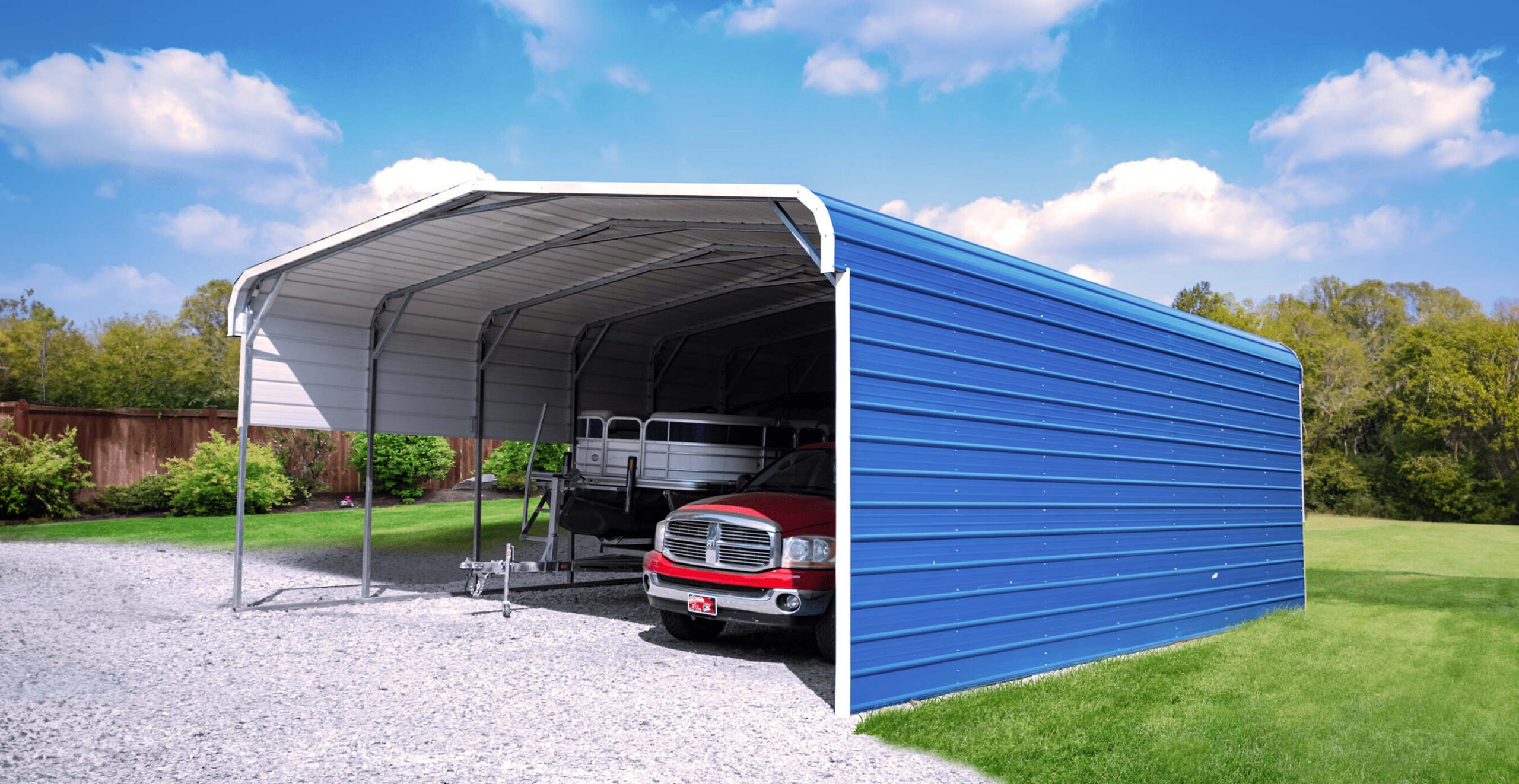
A carport can feel like wasted potential when your vehicles, tools, and storage bins still sit half-exposed to wind, dust, rain, and street view. A smart garage conversion gives that open shelter a real job: protection, security, storage, and added daily convenience without starting from bare ground. For many U.S. homeowners, the appeal is obvious, but the mistakes are less obvious until the framing is up and the inspector starts asking questions. Local codes, slab condition, drainage, fire separation, electrical planning, and garage door sizing can all change the scope fast. That is why this project should never begin with lumber prices alone. It begins with the bones of the carport and the rules tied to your address. Home improvement planning also rewards owners who think beyond the build itself, especially when comparing contractor bids, permit language, and long-term property value through trusted homeowner resources like residential renovation guidance. The real win is not closing in a carport. The win is turning it into a space that behaves like it was meant to be a garage from day one.
Planning a Garage Conversion Before Any Wall Goes Up
Good planning feels slower at first, but it saves the project from expensive backtracking. A carport looks simple because it already has a roof and posts, yet that does not mean it was designed to carry walls, doors, insulation, wiring, and daily garage use. The first phase is about finding the gap between what exists and what your city expects.
Checking Permits, Zoning, and Local Garage Rules
Most U.S. cities treat an open carport and an enclosed garage differently. That difference matters because enclosing the space can affect setbacks, fire ratings, parking requirements, stormwater rules, and even neighborhood design standards. A homeowner in Phoenix may face different heat and ventilation concerns than someone in Minneapolis dealing with snow load and freeze-thaw movement.
Start with the local building department, not a contractor’s guess. Ask whether the project needs a building permit, electrical permit, planning review, or HOA approval. Many homeowners lose time because they assume the carport’s original approval carries over. It often does not.
The counterintuitive part is that a smaller project can sometimes face tighter review than a larger one. A detached new garage may have a clean permit path, while enclosing an existing carport can expose old work that never met today’s rules. Inspectors care about the finished structure, not the story behind it.
Reading the Existing Structure Honestly
A carport roof can look sturdy while still being underbuilt for enclosed use. Posts may be set shallow, beams may lack lateral bracing, and the slab may slope too aggressively for a clean wall layout. These details decide whether you can build around the existing frame or need structural upgrades first.
Look closely at post bases, roof connections, rafters, fascia, gutters, and the concrete surface. Water stains, rusted brackets, cracked slab edges, or sagging roof lines are not cosmetic warnings. They tell you where the future garage may fail if you hide problems behind drywall or siding.
One practical example comes from ranch homes across older U.S. suburbs. A 1960s carport may have a roofline that matches the house, but the slab may be only a thin parking pad. Once walls and a garage door are added, that slab edge may need thickening or curb work to support framing and keep water out.
Building the Enclosure Around Strength, Drainage, and Access
Once the rules and structure are clear, the project moves from idea to layout. Walls, doors, windows, and thresholds decide how the garage works every morning. This is where homeowners should think less like decorators and more like problem solvers.
Framing Walls Without Trapping Future Problems
Wall framing should match both the climate and the structure. In many parts of the U.S., builders use pressure-treated bottom plates where framing touches concrete, plus anchor bolts or approved fasteners tied into the slab. That connection matters because garage walls face vibration, wind pressure, moisture, and door movement.
Do not frame walls tight to a slab that sends water inward. A carport slab often slopes for runoff, and that slope may not suit an enclosed room. Some projects need a small curb, stem wall, trench drain, or slab correction before the first wall gets closed.
A common mistake is treating the new walls like simple shed walls. Garage walls need proper sheathing, weather barriers, siding integration, and sometimes fire-rated assemblies when attached to the house. The outside must shed water, while the inside must tolerate tools, fumes, bikes, lawn gear, and everyday impact.
Choosing Garage Doors, Service Doors, and Window Placement
The main garage door controls the rhythm of the whole space. Its width, height, track style, opener clearance, and header requirements all affect framing. A door that looks perfect on paper can fight the roof structure if the carport ceiling is low or beams cross the opening.
Service doors deserve equal attention. A side entry can make the garage useful even when the main door stays shut, especially for families storing yard tools or using the garage as a drop zone. Place it where people naturally walk, not where it happens to fit after everything else is framed.
Windows are useful, but they also create tradeoffs. They bring light into a space that can feel boxed in after enclosure, yet they reduce wall storage and may affect security. In a street-facing garage, a higher window can give daylight without turning your tools into a display case.
Mechanical, Electrical, and Interior Details That Make the Garage Work
The shell is only half the project. A garage becomes useful when power, lighting, ventilation, insulation, and interior finishes match real daily behavior. This is where small choices make the space feel either finished or awkward.
Planning Electrical Before the Walls Close
Electrical planning should happen before insulation or interior wall panels. Think about outlets for battery chargers, freezers, tools, holiday lights, garage door openers, security cameras, and EV readiness if that may matter later. Adding one extra circuit now can cost less than opening walls after the garage is finished.
Attached garages often need code-conscious wiring, GFCI protection, proper lighting, and safe routing. Some cities also have rules for receptacle spacing, dedicated circuits, and opener outlets. A licensed electrician can keep the project from turning into a failed inspection with hidden risks.
Here is the quiet truth: garages collect more electrical demand over time. A homeowner may begin with one outlet for a drill charger, then add a second refrigerator, a workbench, a treadmill, and a camera system. Plan for the garage you will grow into, not the empty one you see today.
Insulation, Ventilation, and Interior Wall Choices
Insulation depends on how the garage will be used. If it only stores vehicles and tools in a mild climate, basic wall insulation may be enough. If it connects to living space, sits under a bedroom, or will be used as a workshop, comfort and air sealing matter far more.
Ventilation also deserves attention because garages hold fumes, humidity, and heat. A sealed garage without airflow can smell stale fast, especially in humid states or homes with lawn equipment and fuel cans. Exhaust fans, vents, weatherstripped doors, and smart material choices can all help.
Interior walls should match use, not fantasy. Drywall gives a clean finished look and may be required for fire separation, but plywood or impact-resistant panels can work better in tool-heavy zones. A garage is not a living room, and pretending it is one can lead to dents, stains, and regret.
Finishing the Enclosed Garage for Value, Safety, and Daily Use
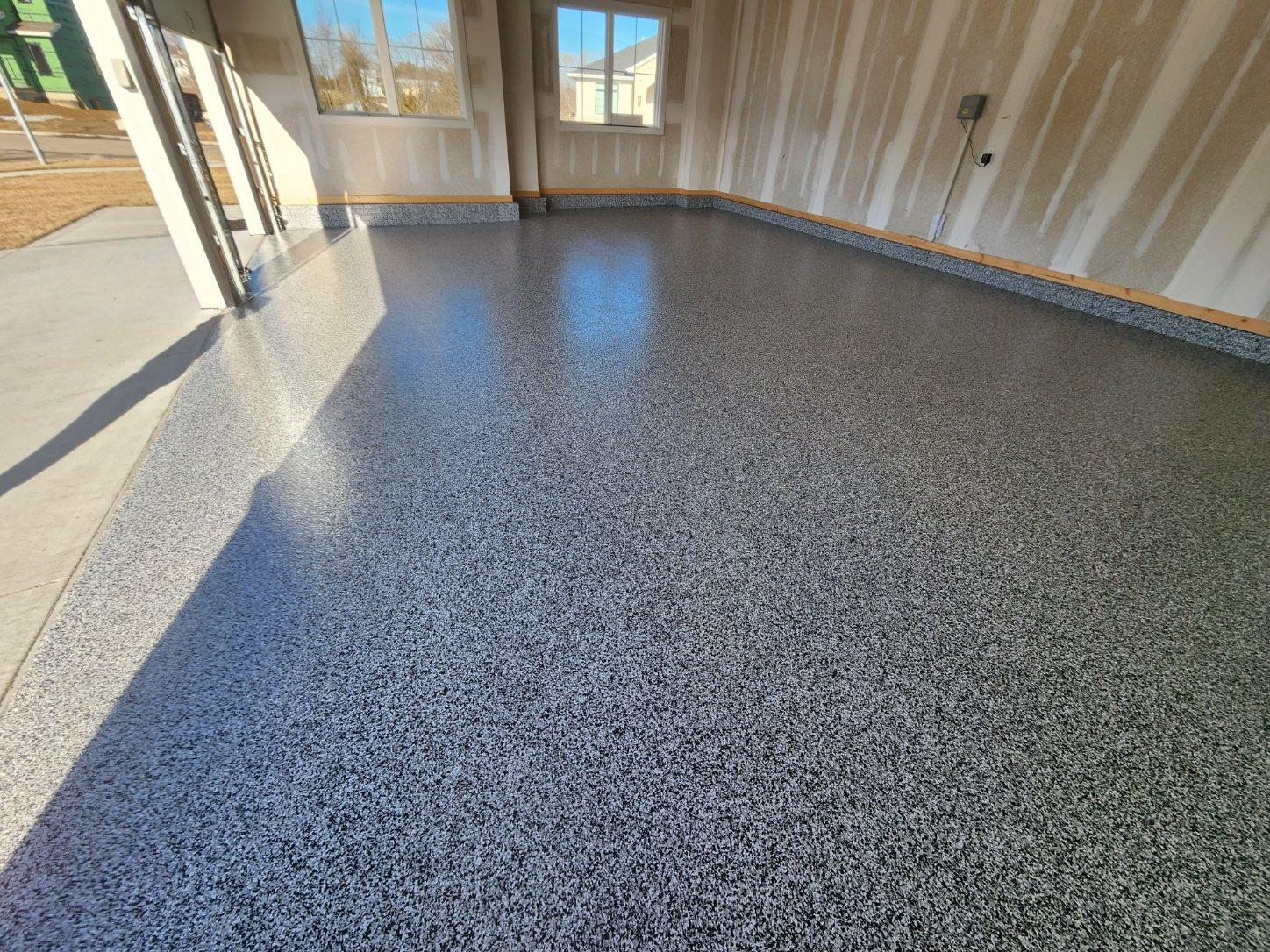
The final stage is where the project either feels complete or patched together. Exterior finish, security, flooring, lighting, storage, and inspection details all shape the final result. A good enclosed garage should look native to the house, not like a weekend add-on.
Matching Exterior Materials Without Making the Addition Obvious
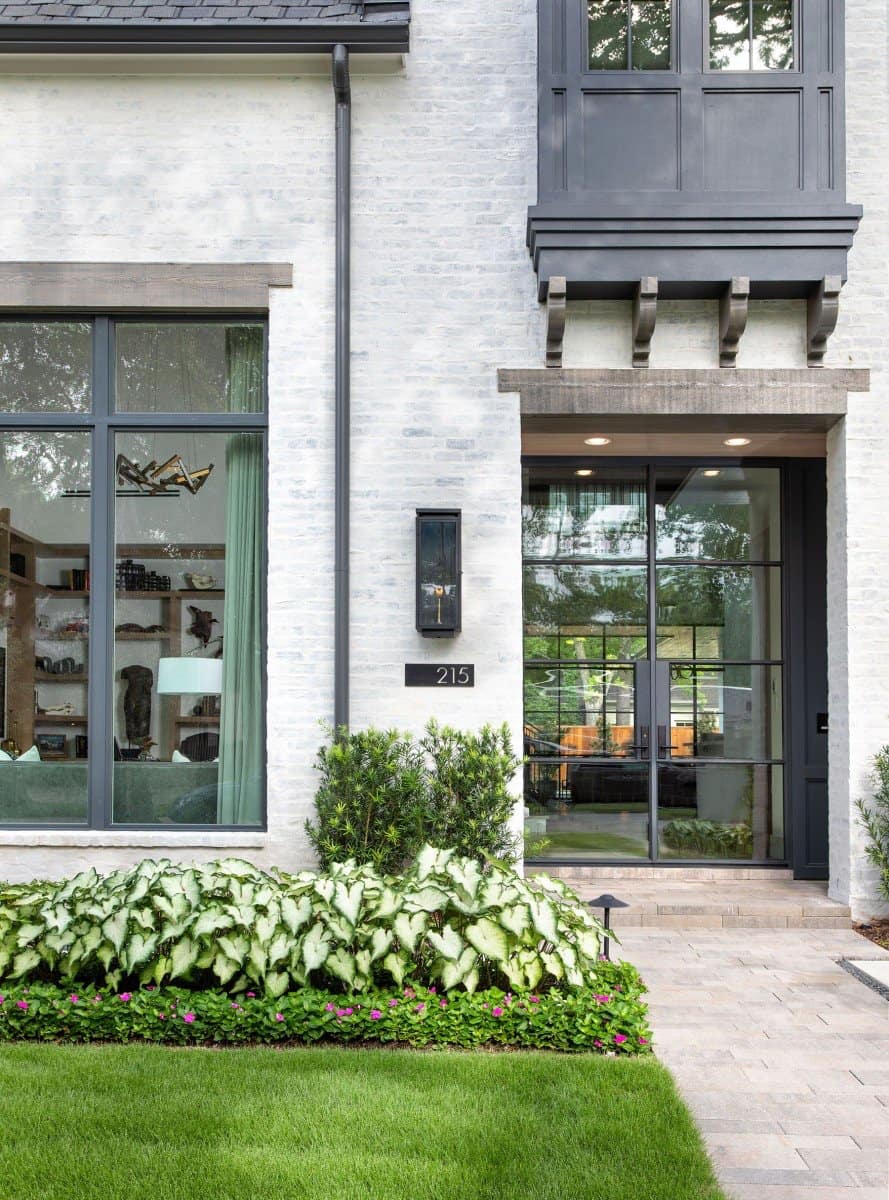
Exterior matching is harder than many homeowners expect. Siding profiles change, brick colors weather, stucco textures vary, and trim widths reveal new work fast. A finished carport enclosure should respect the home’s original lines while correcting the weak spots that came from the open design.
Roof drainage must be checked again after walls go in. Gutters, downspouts, splash blocks, and grading decide whether the new garage stays dry. A wall built under a roof edge with poor runoff can soak at the base during the first hard storm.
A useful example is a Florida block home with a side carport. Closing the space may require matching stucco, adding hurricane-rated openings, and improving drainage near the driveway. The pretty part comes last because water, wind, and code do not care how nice the paint looks.
Security, Storage, and Final Inspection Details
Security improves when the garage has solid doors, good lighting, secure windows, and a reliable opener. Still, enclosure can create blind spots around the property. Motion lighting and clear sightlines can make the new garage safer without turning it into a fortress.
Storage should be planned before the final coat of paint. Wall shelves, ceiling racks, bike hooks, cabinets, and tool zones all need backing or framing support. If you know heavy storage will hang on one wall, add blocking before the wall surface goes up.
Final inspection is not a formality. It protects resale value, insurance confidence, and future buyer trust. A permitted garage conversion with passed inspections tells the next person that the work was done with accountability, not hidden under fresh siding and hope.
Conclusion
A carport enclosure works best when the homeowner respects what the project is asking for. It is not only a wall-and-door job. It is a change in structure, use, safety, and long-term responsibility. The smartest move is to slow down early, study the existing frame, confirm local rules, and build the new garage around water control, access, power, and daily habits. That approach may feel less exciting than picking doors or paint, but it is what separates a clean upgrade from a future repair story. A well-planned garage conversion can make a home feel more secure, more organized, and more complete without wasting the value already sitting under the old carport roof. Before you buy materials, walk the space with a permit checklist and a hard eye for weak points. Build it right once, and the garage will pay you back every single day.
Frequently Asked Questions
How much does it cost to convert a carport into an enclosed garage?
Costs vary by city, size, slab condition, door type, electrical work, and exterior matching. Many U.S. projects land in the several-thousand-dollar range, while structural upgrades or major code work can push the budget higher. A local contractor estimate is the only reliable number.
Do I need a permit to enclose a carport?
Most areas require a permit because the project changes an open structure into an enclosed building space. Electrical work, framing, fire separation, and garage doors may need separate review. Always check with your city or county building office before starting.
Can an existing carport slab support garage walls?
Some slabs can support enclosure work, but many carport slabs were poured only as parking pads. Thickness, slope, cracks, edge strength, and drainage all matter. A contractor or engineer can confirm whether the slab needs repairs, a curb, or reinforcement.
How long does a carport enclosure project usually take?
A simple enclosure may take a few weeks after permits are approved. More involved projects can take longer if they need structural fixes, custom doors, exterior matching, or inspections. Permit timing often affects the schedule as much as construction labor.
What is the best garage door size for a converted carport?
The best size depends on the opening width, roof clearance, vehicle size, and framing requirements. Single-car garages often use doors around 8 to 10 feet wide, while wider openings need stronger headers. Measure carefully before ordering any door.
Does converting a carport add home value?
A finished garage can add value when it is permitted, practical, and visually matched to the house. Buyers often appreciate secure parking and storage. Poor workmanship, water issues, or unpermitted changes can hurt value instead of helping it.
Should I insulate an enclosed garage?
Insulation makes sense if the garage connects to the house, sits below living space, or will be used for hobbies, tools, or storage sensitive to temperature. In mild climates, basic insulation may be enough. Air sealing and ventilation still matter.
Can I convert a carport into living space instead of a garage?
Living space conversion usually requires stricter rules than a garage enclosure. You may need foundation upgrades, HVAC, insulation, windows, ceiling height compliance, plumbing, and full residential code review. Start with the building department before designing the room.